NASA Perseverance rover and Mars Odyssey both paused by faults
Two NASA Mars missions hit unrelated faults within days. Perseverance lost its radios, and 25-year-old Odyssey has a stuck reaction wheel.
 SUMO· the number puzzle
 Dialo· learn languages by speaking
 ediviewer· read EDI files like documents
 giftdetect· the right gift in minutes
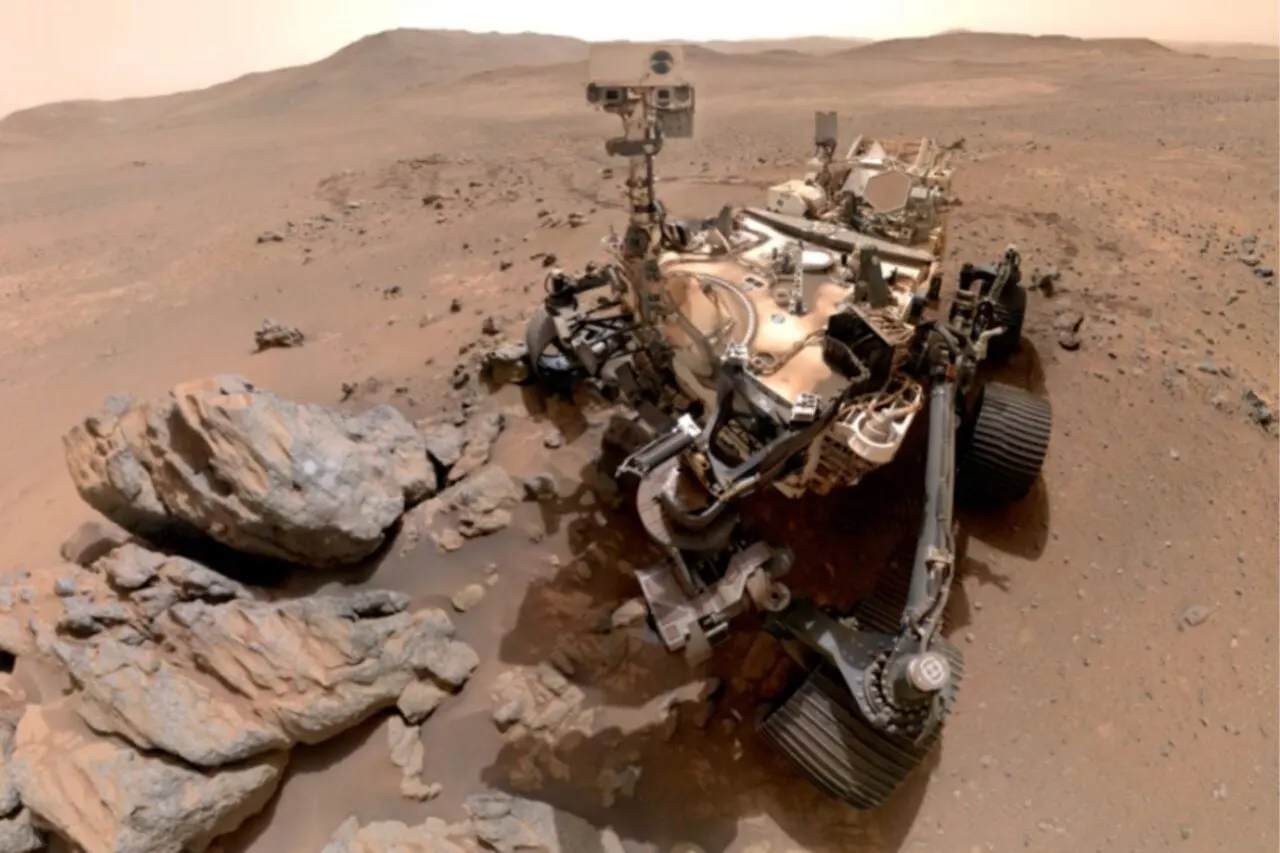
NASA's Perseverance rover is currently sitting still on Mars, and the orbiter that helps it talk to Earth has its own problem. Science work has been paused on both Perseverance and Mars Odyssey after two unrelated glitches, and the teams hope to restart by the end of November.
What went wrong with Perseverance?
On October 30, as the rover powered on for the day, its main ultra high frequency (UHF) radio failed to send the regular "heartbeat" pings that the rover's computer listens for. The computer counts missed beats, and after 25 in a row, about 100 seconds of silence, it switched to the backup radio and put the rover into safe mode, which shuts off all non-essential systems.
"The rover's main computer continually listens for that ping," said Steven Lee, Perseverance project manager at NASA's Jet Propulsion Laboratory. Engineers brought the rover out of safe mode, then found the backup radio was putting out only about half its expected power.
So the team has stopped relying on either UHF radio. Perseverance now talks straight to NASA's Deep Space Network over its high-gain antenna, using X-band. That works, but the data rate is much lower, so science and instrument operations are on hold to save bandwidth for diagnostics while engineers try to recover the primary radio.
What is wrong with Mars Odyssey?
Odyssey launched in 2001 and holds the record for the longest continually active mission around a planet other than Earth. It also relays data from Mars rovers. Between November 4 and 6 it was in safe mode after one of its reaction wheels stopped spinning. These wheels change the spacecraft's orientation, for instance to aim its solar arrays at the Sun.
Odyssey has four wheels and needs three. One failed in 2013, so the spare is already in use. Without three working wheels, it must steer with hydrazine thrusters, and the team estimates it has fuel for only one to two months of that.
The orbiter is out of safe mode, but science is paused while the team tests the wheel. It moved when commanded in one test, though more testing is needed to know whether it can be recovered. Tests should wrap up in the last week of November, and the team hopes both missions are back to work soon after.
Apps worth a look
SUMO: the number puzzleTap the right tiles, add them up, hit the target. Easy to learn, hard to master. Free, for all ages.
Dialo: learn languages by speakingTalk to an AI conversation partner; every sentence comes back corrected and explained in your language. 9 languages, A1 to C2.
ediviewer: read EDI files like documentsOpen EDIFACT and X12 messages, see every segment explained, convert to JSON/XML, export PDF and Excel. Runs locally, no upload.
giftdetect: the right gift in minutesPick who it is for, the occasion and their personality. The search engine reads product descriptions from local shops and ranks what fits. Free, no sign-up.
More from this day
See all →
HomePod Sound Glow: how to turn on the new light show

Mars 'potato chip' rocks and ghostly white stones found by NASA rovers

Pixel Weather now lets you report wrong local conditions