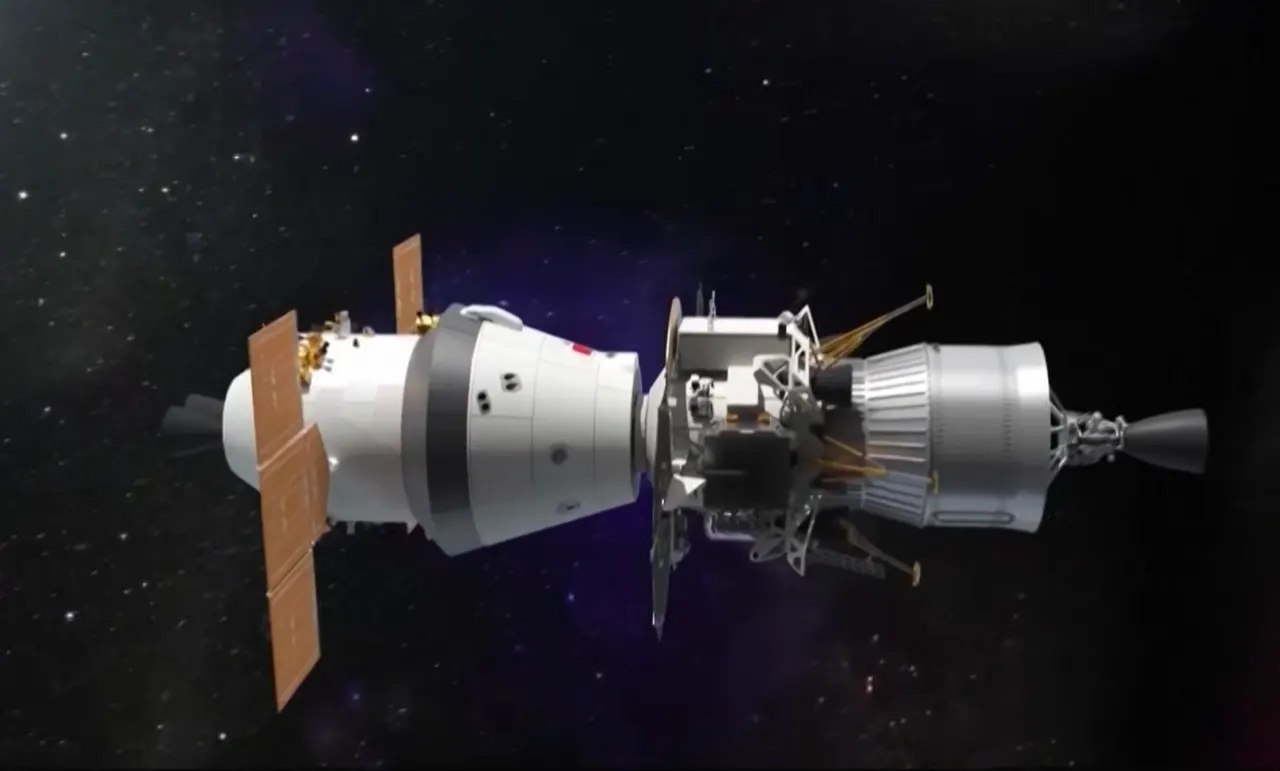
BepiColombo reaches Mercury orbit after 8 years and a solar panel snag
BepiColombo has spent over eight years falling toward Mercury, and braking is the hard part. A 37-minute burn begins the final approach, a year later than planned.
 SUMO· the number puzzle
 Dialo· learn languages by speaking
 ediviewer· read EDI files like documents
 giftdetect· the right gift in minutes
The trip to Mercury was supposed to take about seven years. BepiColombo, the joint European and Japanese probe, needed eight, and it is only now arriving at the planet.
The main orbit-insertion manoeuvre was scheduled for today and lasts 37 minutes. The mission, run by the European Space Agency (ESA) with Japan's JAXA, launched on an Ariane 5 rocket from French Guiana in October 2018. It carries two orbiters: ESA's Mercury Planetary Orbiter (MPO) and JAXA's Mercury Magnetospheric Orbiter, called Mio. A third module, the Mercury Transfer Module (MTM), supplies power and propulsion on the way.
Why is reaching Mercury so hard?
Mercury sits closest to the Sun, so a spacecraft heading there picks up enormous speed from the Sun's gravity. To settle into orbit, it has to shed a lot of that energy, because Mercury's own gravity is comparatively weak.
The team planned a winding route: one flyby of Earth, two of Venus and six of Mercury over roughly seven years. A problem with the solar panels cut the power available to the electric thrusters on the transfer module, and that added a year.
What happens next at Mercury?
Arrival takes about six months in total. It began on 3 September, when the MTM separated from the two orbiters. They are still joined together and should split around 9 December. Soon after, Mio will enter its final orbit, a very elongated one passing over Mercury's poles.
MPO will also take a polar orbit, less elongated than Mio's. It will fire its engines several times before reaching its final orbit on 10 March 2027. Science operations are not due to begin before 6 April 2027.
With two craft at different spots, ESA says the mission will study Mercury's magnetosphere and how it interacts with the solar wind, plus the planet's interior, including its large iron core, and the origin of its magnetic field. The data should help scientists understand how planets form and evolve close to their stars.
Apps worth a look
SUMO: the number puzzleTap the right tiles, add them up, hit the target. Easy to learn, hard to master. Free, for all ages.
Dialo: learn languages by speakingTalk to an AI conversation partner; every sentence comes back corrected and explained in your language. 9 languages, A1 to C2.
ediviewer: read EDI files like documentsOpen EDIFACT and X12 messages, see every segment explained, convert to JSON/XML, export PDF and Excel. Runs locally, no upload.
giftdetect: the right gift in minutesPick who it is for, the occasion and their personality. The search engine reads product descriptions from local shops and ranks what fits. Free, no sign-up.
More from this day
See all →
Kh-101 missiles found at three crash sites in Poland, prosecutors say
mBank warns of card scams after the Autopay data leak

Google homepage drops the Search button for AI tools

iOS 27 Connectivity Assist: Your iPhone Can Now Pair Wi-Fi With Mobile Data
More in: Space
See all →
Ariane 6 launch live: 36 Amazon Leo satellites on one rocket
Perseverance and Odyssey both fail on Mars within a week
NASA wants four volunteers to live a year in a mock Moon and Mars