NASA wants four volunteers to live a year in a mock Moon and Mars
NASA is recruiting four volunteers for a year in a simulated Moon and Mars mission in Houston, with a cramped spacecraft, a 3D-printed base and a toilet that doesn't flush.
 SUMO· the number puzzle
 Dialo· learn languages by speaking
 ediviewer· read EDI files like documents
 giftdetect· the right gift in minutes
NASA is looking for four people to spend a year living in a simulated Moon and Mars mission, and the participants get paid. The job is called the Moon and Mars Exploration Analog, and it runs at Johnson Space Center in Houston.
It follows a crew that has just finished a different stunt. Four people spent 378 days inside Mars Dune Alpha, NASA's mock Mars base, and walked out on October 31.
What is the Moon and Mars Exploration Analog?
Until now NASA ran two separate kinds of simulation. HERA recreates a spaceship in transit, and CHAPEA recreates life on the Martian surface. There have been 28 spacecraft missions and two surface ones. This new mission joins them, so the crew gets the trip and the arrival in one go.
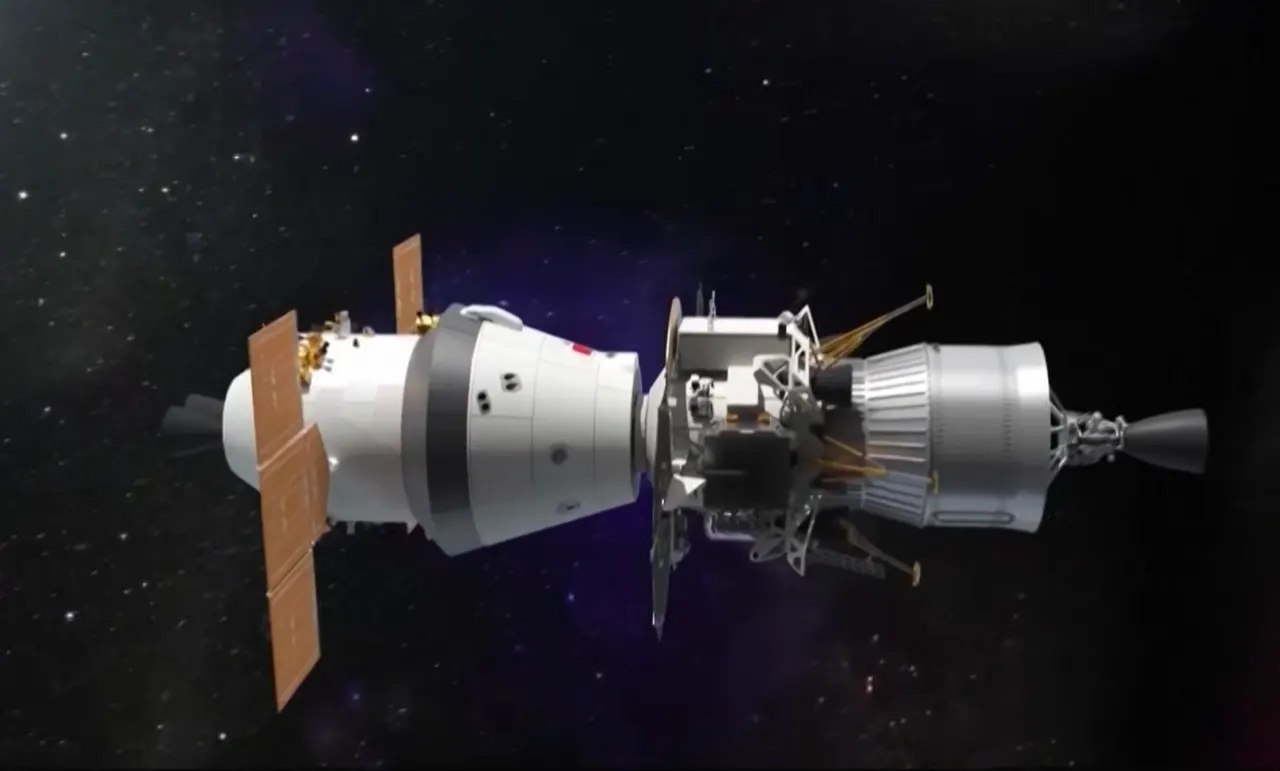
The outbound spacecraft is a reworked, two-storey HERA of about 60 square metres. That is roughly a two-bedroom flat, shared by four adults who don't know each other. HERA missions have so far lasted around 45 days, so a year is a different proposition.
Where does the crew live?
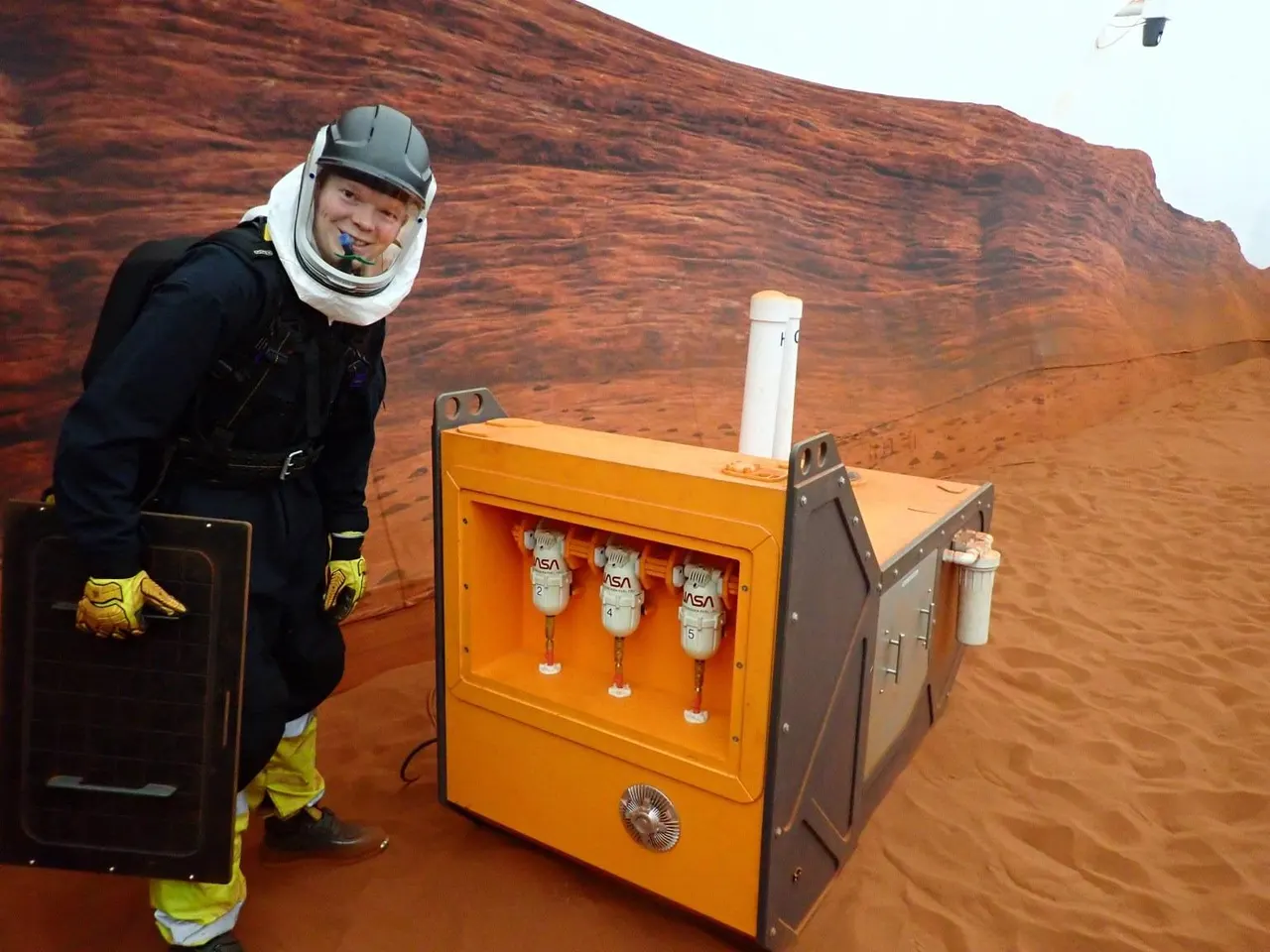
The destination is Mars Dune Alpha, a single-storey 3D-printed habitat. It has private rooms, a work area, a recreation room, a room for growing vegetables, a medical bay, an airlock and two toilets. There is also a sandpit for practising spacewalks.
There is a twist. According to NASA, earlier missions assumed a large, finished base. This time the simulation covers the early days, when a Mars base has only just been set up. NASA also says the results should help with plans for a Moon base.
A rover module is added too: two driver seats, two beds, a small airlock for samples and a toilet that doesn't flush.
Daily life runs on Mars time. A Martian day is about 40 minutes longer than an Earth day, and researchers want to see how bodies adjust to that rhythm.
Apps worth a look
SUMO: the number puzzleTap the right tiles, add them up, hit the target. Easy to learn, hard to master. Free, for all ages.
Dialo: learn languages by speakingTalk to an AI conversation partner; every sentence comes back corrected and explained in your language. 9 languages, A1 to C2.
ediviewer: read EDI files like documentsOpen EDIFACT and X12 messages, see every segment explained, convert to JSON/XML, export PDF and Excel. Runs locally, no upload.
giftdetect: the right gift in minutesPick who it is for, the occasion and their personality. The search engine reads product descriptions from local shops and ranks what fits. Free, no sign-up.
More from this day
See all →
South Korea's Suneung exam alert caught 49 students with phones

Kh-101 missiles found at three crash sites in Poland, prosecutors say
mBank warns of card scams after the Autopay data leak

Google homepage drops the Search button for AI tools
More in: Space
See all →BepiColombo reaches Mercury orbit after 8 years and a solar panel snag
Ariane 6 launch live: 36 Amazon Leo satellites on one rocket
Perseverance and Odyssey both fail on Mars within a week