RIPE members debate dependence on US internet infrastructure
A domain block has sparked debate at the RIPE meeting: how can network operators protect themselves against erratic US sanctions?

A domain block has become a major topic at the latest RIPE meeting, where members of the European network community are asking how operators can shield themselves from unpredictable US sanctions.
The discussion centres on a simple but uncomfortable question: how much of the internet's everyday operation depends on companies and institutions under US jurisdiction? When a domain is suddenly blocked, the effects reach well beyond the party that is directly targeted. Operators, hosting providers and service companies that rely on the same infrastructure can be affected as well.
Why operators are concerned
RIPE brings together internet service providers, hosting companies, enterprises and other organisations that run networks in its service region. For many of them, sanctions decisions taken in Washington are not an abstract political matter. They can have direct operational consequences if domains, services or business relationships are affected.
The word members keep returning to is "erratic". Planning is difficult when rules can change quickly and the reasons or scope of a measure are hard to anticipate. That uncertainty is what pushes the topic from a legal footnote to a question of network resilience and risk management.
What it means for the industry
The debate points to a broader discussion about digital sovereignty in Europe. Possible responses include reducing single points of dependency, diversifying providers and building contingency plans for the case that a domain or service becomes unavailable. Such steps cost time and money, and not every operator can afford them equally.
The RIPE meeting is a forum for exchange rather than a body that decides on sanctions, so no binding outcome should be expected from the talks alone. But the fact that the issue dominates conversations shows how seriously the community now takes geopolitical risk in internet infrastructure. Operators are likely to keep reviewing their own dependencies, and the topic is expected to stay on the community's agenda.
Apps worth a look
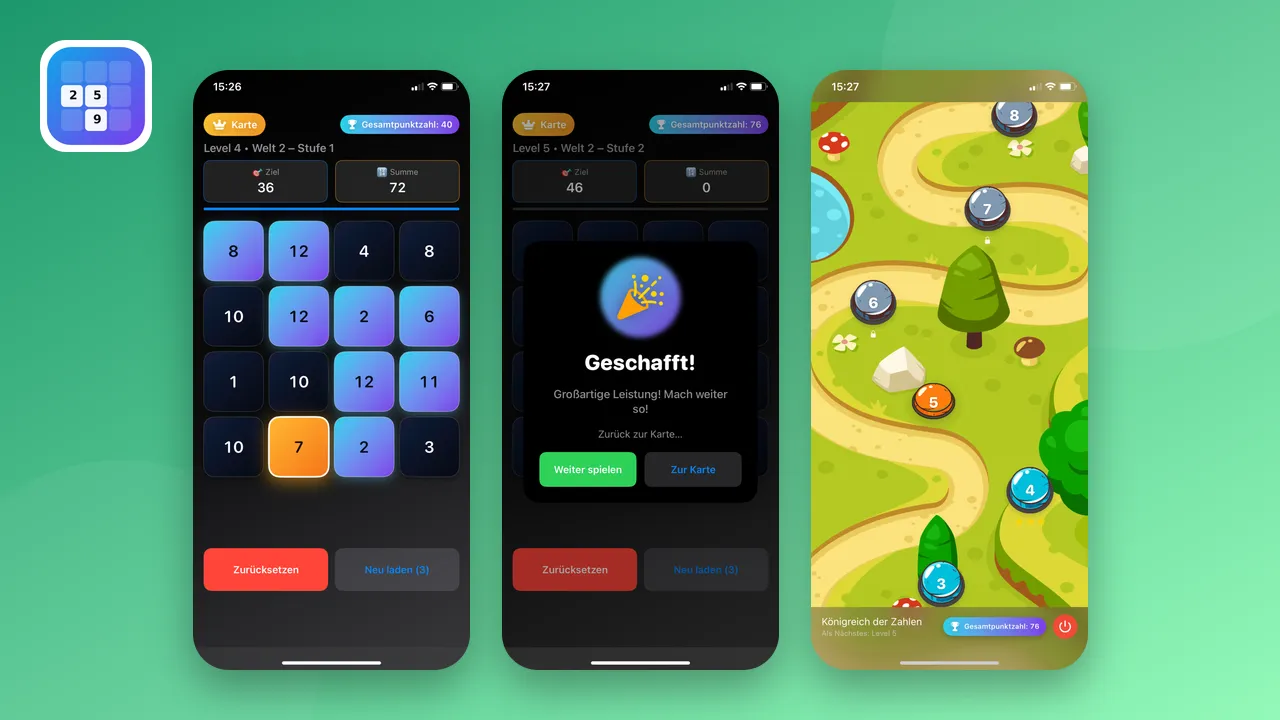
 SUMO: the number puzzle
Tap the right tiles, add them up, hit the target. Easy to learn, hard to master. Free, for all ages.
 Dialo: learn languages by speaking
Talk to an AI conversation partner; every sentence comes back corrected and explained in your language. 9 languages, A1 to C2.
 ediviewer: read EDI files like documents
Open EDIFACT and X12 messages, see every segment explained, convert to JSON/XML, export PDF and Excel. Runs locally, no upload.
More from this day
See all →
ESA-backed JASPER system will warn pilots of GPS spoofing

Iron Warriors: Polish Students' Car Covers 837 km on One Litre

ESA's Space HPC supercomputer packs 5 petaflops for space data
SUMO Number Puzzle Turns Mental Math Into a Free Mobile Game
More in: Business
See all →
Oracle Korea Shifts From Selling Tech to Solving Customer Problems

MBK and Golfzon Holdings clash over Golfzon Country sale

Avito Survey: 9 in 10 Russians Keep Unused Items Worth 24,000 Rubles