Rhino Flux Builds Small Biomass Power Plants Without Burning
Kyoto University spinout Rhino Flux generates electricity from biomass without combustion, funding development through PoC fees, equity and government grants.
 SUMO· the number puzzle
 Dialo· learn languages by speaking
 ediviewer· read EDI files like documents
 giftdetect· the right gift in minutes
Rhino Flux, a Kyoto University spinout, is trying to make biomass power cheaper by not burning the biomass at all. CEO Atsushi Mazawa describes a company that funds a capital-heavy energy technology with a mix of customer trials, venture equity and public grants.
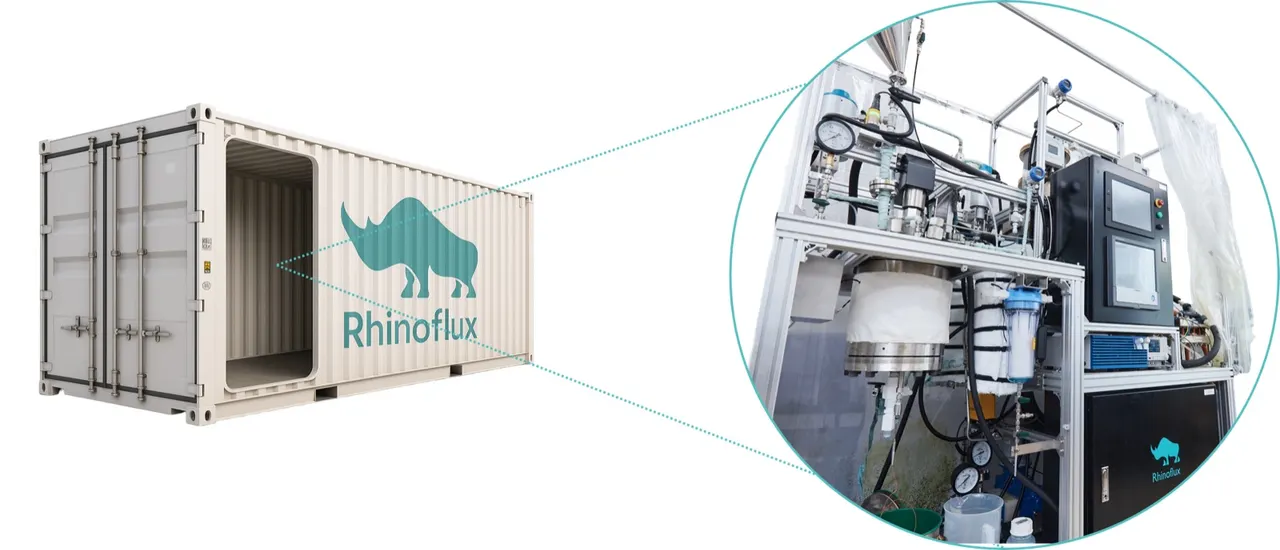
Conventional biomass generation is costly. Biomass is wet and must be dried before burning, and much of the energy is lost as heat, so only 10 to 30 percent ends up as electricity. Rhino Flux uses wet chemical looping instead: an acidic vanadium electrolyte dissolves biomass at low temperature, carbon from the biomass reduces the vanadium and moves electrons into the liquid, and the liquid reacts with oxygen from the air in a fuel-cell-like process to produce power. The liquid circulates, and as long as biomass is fed in, electricity and high-purity CO2 keep coming. The target is 10 to 15 yen per kWh.
Small plants on factory sites
Because there is no combustion equipment, shrinking the plant does not hurt performance. That allows installation where the resource is produced. The clearest use is on-site generation at food and beverage factories, which produce thousands to tens of thousands of tonnes of coffee or tea residue. A plant about the size of a prefab shed would turn it into power on the spot. For industries that now pay to dispose of residue, Mazawa says generation cost would be negative on paper. The CO2 can be sold as liquefied industrial gas, for carbonation or dry ice.
In May 2026 the company reported more than 240 cumulative hours on a 1 kW prototype, with feedstock from Sumitomo Forestry and several food and beverage makers.
Money: PoC, equity and grants
PoC trials with customers bring in tens of millions to hundreds of millions of yen, while commercial development needs billions to tens of billions. Rhino Flux raised 200 million yen in seed funding in October 2024 from Kyoto iCAP, Beyond Next Ventures and Shimadzu's CVC fund, and with grants the total reached 280 million yen. In October 2026 it was selected for Phase 3 of the Ministry of the Environment's startup R&D program: a 20 kW pilot plant will be designed in fiscal 2026, followed by a 2,400-hour continuous run in fiscal 2027.
Mazawa, a former Mitsubishi Corporation investor, founded the company in April 2024 through Kyoto iCAP's entrepreneur-in-residence program, based on research by lecturer Ryuichi Ashida. He does not see a shortage of domestic VC money for now, but expects overseas investors to be essential at Series B and C.
Apps worth a look
SUMO: the number puzzleTap the right tiles, add them up, hit the target. Easy to learn, hard to master. Free, for all ages.
Dialo: learn languages by speakingTalk to an AI conversation partner; every sentence comes back corrected and explained in your language. 9 languages, A1 to C2.
ediviewer: read EDI files like documentsOpen EDIFACT and X12 messages, see every segment explained, convert to JSON/XML, export PDF and Excel. Runs locally, no upload.
giftdetect: the right gift in minutesPick who it is for, the occasion and their personality. The search engine reads product descriptions from local shops and ranks what fits. Free, no sign-up.
More from this day
See all →
Hackers Hijack French Blood Service Freezers, Set to 110°C

MONITORAPP Launches AILabs v6.0 With AI Chat Threat Search

SK Telecom Launches AI Data Center Units SK Hyper, SK Horizon

Google Plans Closed-Door Geospatial Forum in Korea Before Map Export
More in: Startups
See all →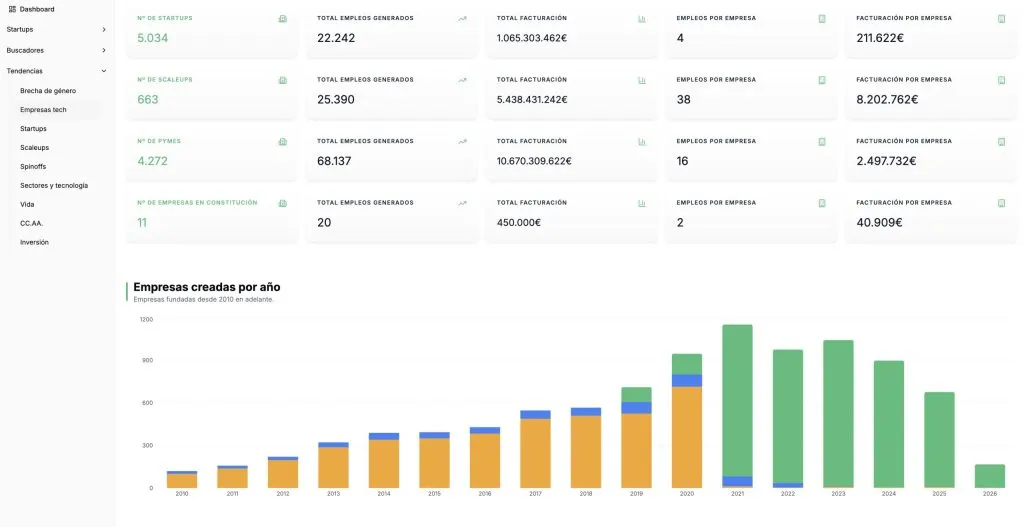
Scoutyn adds Tendencias, a market data hub for Spain's tech scene

Applied Compute Raises $350M at $3.25B Valuation Led by Elad Gil

EvdekiBakıcım, Turkish Childcare Startup, Decides to Shut Down