Revolut, Vinted, Doctolib: Where Secondary Sale Money Goes
Revolut's $115 billion valuation comes from a secondary share sale. Such deals pay sellers, not the company, as Vinted and Doctolib also show.

 SUMO· the number puzzle
 Dialo· learn languages by speaking
 ediviewer· read EDI files like documents
 giftdetect· the right gift in minutes
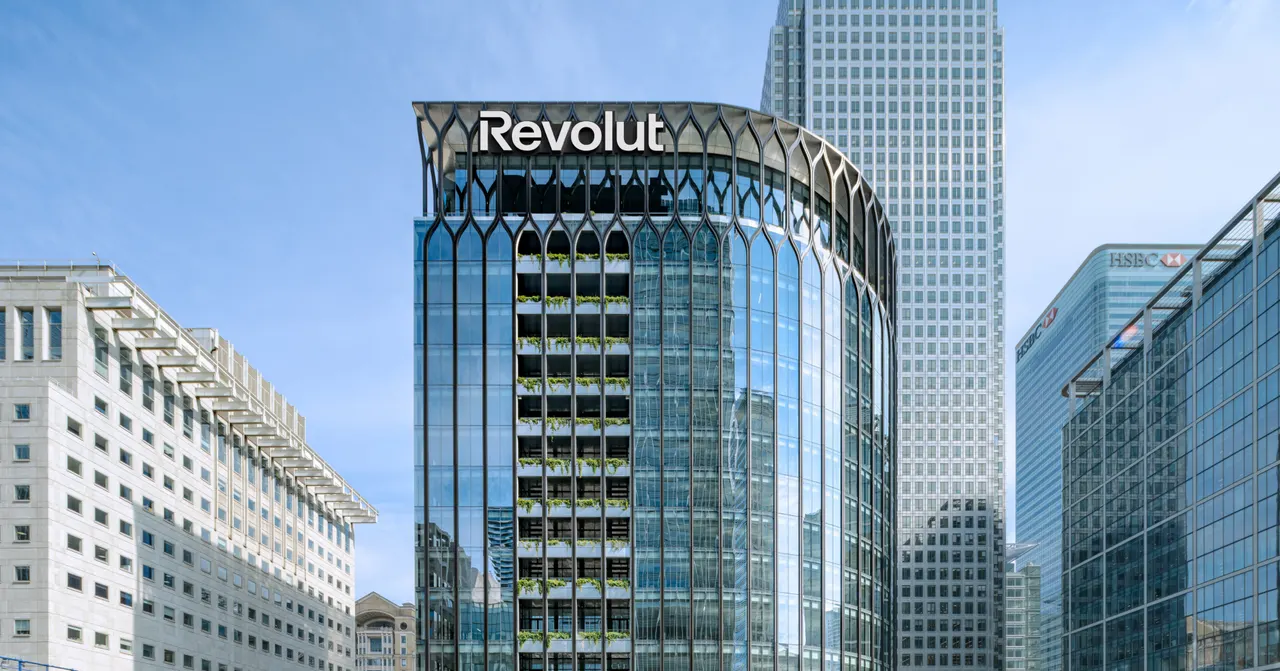
Revolut has announced the close of a new secondary share sale that values the digital bank at $115 billion. The figure shows how much the market expects from the company, but it says nothing about how much cash Revolut itself receives.
That gap points to a shift in how tech companies are financed. In a capital increase, the company issues new shares and the money goes to its balance sheet. In a secondary deal, an investor buys shares already held by an employee, a founder or a fund, and the price is paid to the seller. The number of shares in circulation does not change, so there is no dilution.
Three different numbers
The two mechanisms can be combined, which is why headline amounts can be misleading. The valuation is the implied value of the whole company, the volume is the size of the transaction, and the primary contribution is the fresh money the company actually receives. In an illustrative case, a company valued at 1 billion euros sees 50 million euros of existing shares sold. That is 5% of the capital, the sellers collect 50 million before fees and tax, and the company gets nothing.
Employees and early backers
For employees, a secondary sale turns paper wealth into cash. BlaBlaCar said in June 2021 that four such operations had let 86 current and former employees, excluding founders, cash out 15 million dollars in total. Programs can set eligibility rules and caps, and holding BSPCE warrants is not the same as owning shares that can be sold immediately.
Early investors have their own timelines. In spring 2026, nearly 300 million euros of Doctolib shares changed hands, mostly from first-hour investors and long-standing employees. Generation Investment Management, Athos and A.P. Møller Holding joined the capital. In Belgium, Odoo's 500 million euro operation in November 2024, led by CapitalG and Sequoia Capital, let Summit Partners, Noshaq and Wallonie Entreprendre sell part of their stakes, while Summit stayed the largest institutional shareholder.
Vinted is the clearest case. On 27 April 2026 it announced an 880 million euro secondary sale at an 8 billion euro valuation, led by EQT, Teachers' Venture Growth and Schroders Capital. The company said it raised no primary capital.
Limits
A valuation is not a promise that every shareholder could sell everything at the same price. The price per share depends on share classes, rights and the instruments that could create future shares, and a limited block does not reflect unlimited demand. For buyers, the stake remains illiquid, and a deal today does not guarantee a market for their own shares tomorrow.
Apps worth a look
SUMO: the number puzzleTap the right tiles, add them up, hit the target. Easy to learn, hard to master. Free, for all ages.
Dialo: learn languages by speakingTalk to an AI conversation partner; every sentence comes back corrected and explained in your language. 9 languages, A1 to C2.
ediviewer: read EDI files like documentsOpen EDIFACT and X12 messages, see every segment explained, convert to JSON/XML, export PDF and Excel. Runs locally, no upload.
giftdetect: the right gift in minutesPick who it is for, the occasion and their personality. The search engine reads product descriptions from local shops and ranks what fits. Free, no sign-up.
More from this day
See all →
Drax plans £20bn AI data centre at UK's largest power station
Sort A Brick Turns Used LEGO Into Refurbished Sets at Scale