Regenephro Raised ¥1.7B via J-KISS for iPS Kidney Therapies
Kyoto-born Regenephro used J-KISS notes to raise ¥1.7 billion, delaying a valuation while it seeks a pharma partner for its kidney drug RN-014.
 SUMO· the number puzzle
 Dialo· learn languages by speaking
 ediviewer· read EDI files like documents
 giftdetect· the right gift in minutes
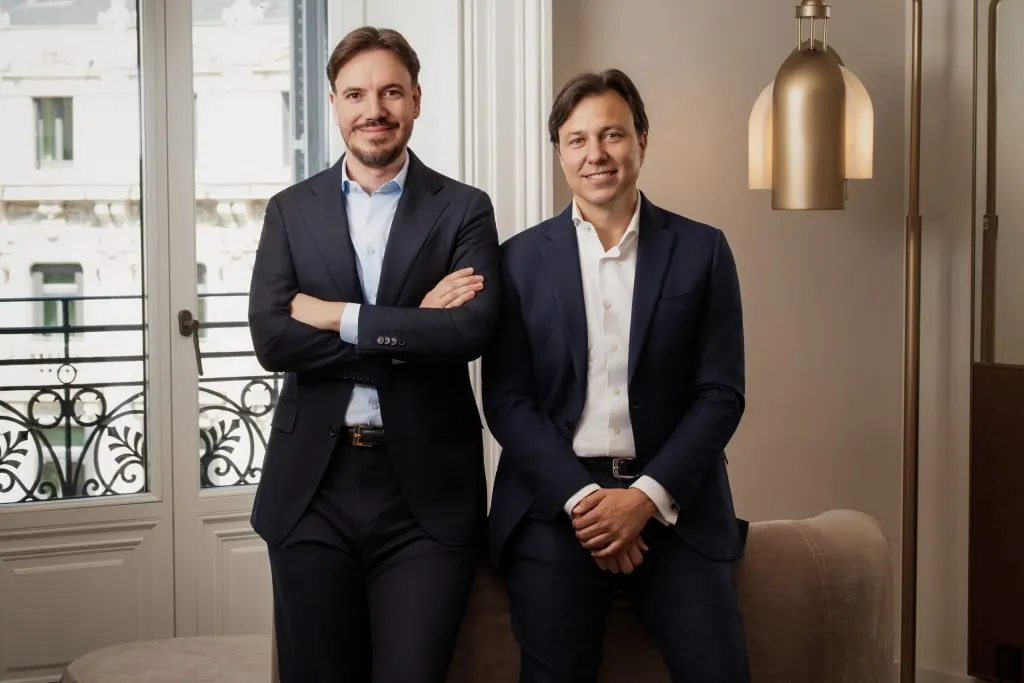
Regenephro, a Kyoto University spin-out developing kidney regeneration therapies from iPS cells, raised ¥1.7 billion through J-KISS convertible equity notes. The choice, its executives say, reflects how drug-discovery startups have to time their funding around technical milestones.
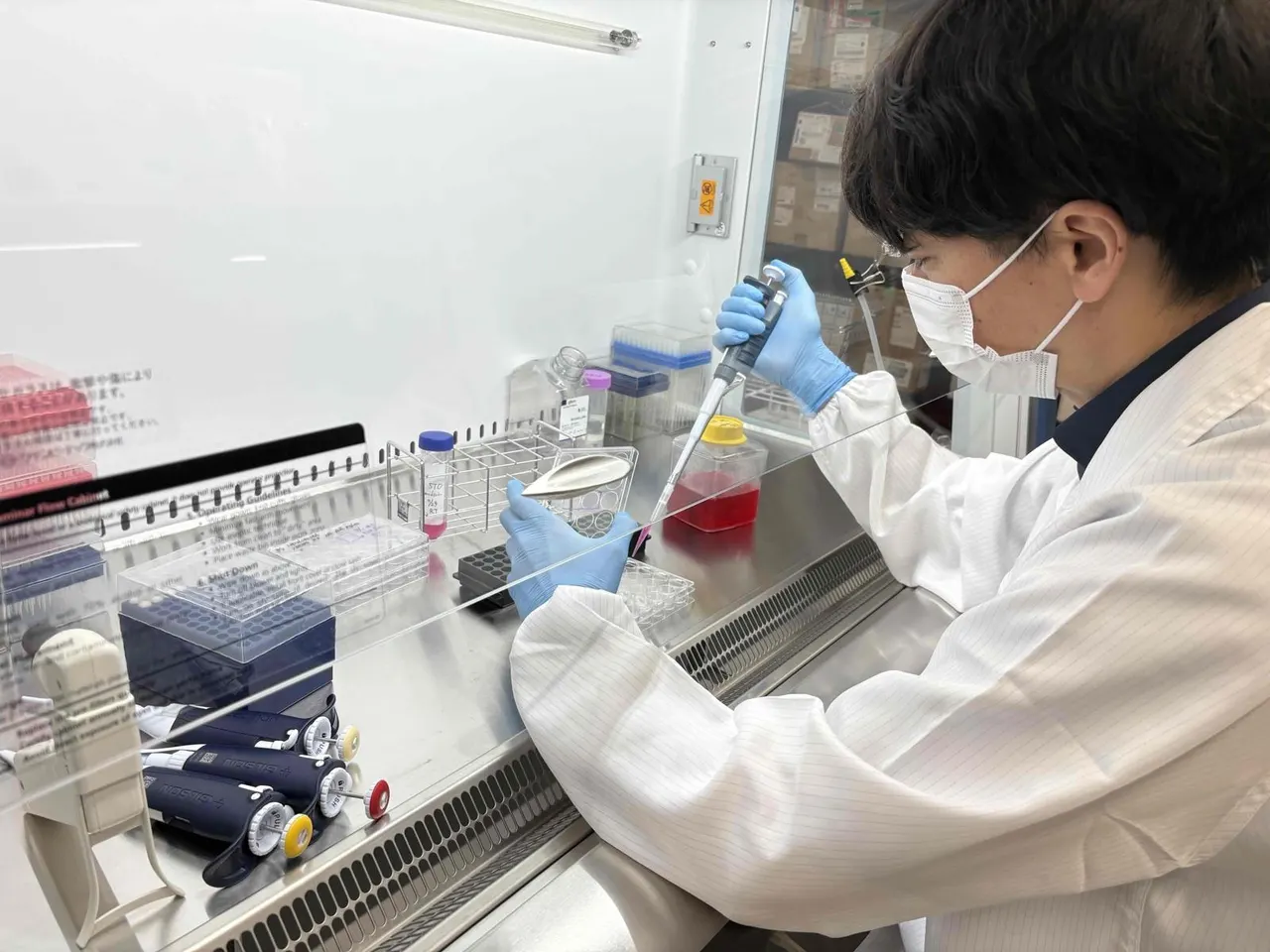
The company was founded in 2019 to commercialize roughly 20 years of research by Kenji Osafune, a professor at Kyoto University's Center for iPS Cell Research and Application (CiRA). It aims to transplant nephron progenitor cells derived from iPS cells to slow functional decline and fibrosis in damaged kidneys. Its lead pipeline, RN-014, has completed a Phase 2a trial, and the follow-on cell therapy RN-032 has finished process development ahead of preclinical studies.
Why J-KISS
A J-KISS note defers pricing: investors put money in now, and it converts to shares at a price tied to the next equity round. CFO Katsuhisa Yamaguchi said the company is seeking a pharma partnership for RN-014, a small-molecule kidney drug, and a successful deal could lift its valuation sharply. Setting a share price now seemed premature.
CEO Tsugufumi Morinaka, who invested in the company in 2020 while at JAFCO, cited his own estimates: preclinical success rates of 60–70%, Phase 1 pass rates of 60–70% and Phase 2 rates of 30–40%. Only 10–20% of startups reach an exit, he said. Securing the first lead investor was the hardest part; once JAFCO and Kyoto iCAP committed in 2020, other VCs followed.
Revenue, AI and talent
Joint research with large pharma brings in money, but the company treats it as miscellaneous income rather than sales, since presenting it as revenue could lower its valuation. Such partnerships still serve as proof of technical strength. Morinaka said AI can speed drug design but will not shorten the years needed to test efficacy in humans.
Morinaka became president in 2023 after serving as an outside director. He says more experienced professionals are now taking executive roles at biotech startups, helped by pay that matches large companies plus stock options.
Apps worth a look
SUMO: the number puzzleTap the right tiles, add them up, hit the target. Easy to learn, hard to master. Free, for all ages.
Dialo: learn languages by speakingTalk to an AI conversation partner; every sentence comes back corrected and explained in your language. 9 languages, A1 to C2.
ediviewer: read EDI files like documentsOpen EDIFACT and X12 messages, see every segment explained, convert to JSON/XML, export PDF and Excel. Runs locally, no upload.
giftdetect: the right gift in minutesPick who it is for, the occasion and their personality. The search engine reads product descriptions from local shops and ranks what fits. Free, no sign-up.
More from this day
See all →
Databricks Opens Singapore Office, Plans $350m Investment
bit.bio closes $25M Series D to scale human cell models

Supa raises £21M seed to roll up UK block management with AI