R3NEGADE: US Army robot drives out of a container, launches 18 drones
At a live-fire test in Germany, a US Army robot rolled out of a shipping container and sent 18 drones at a target. The container may be the cleverer part.
 SUMO· the number puzzle
 Dialo· learn languages by speaking
 ediviewer· read EDI files like documents
 giftdetect· the right gift in minutes
A shipping container is the least futuristic object you can imagine. The US Army just turned one into a launch base: a robot drives out, releases a swarm of drones and attacks. It is called R3NEGADE.
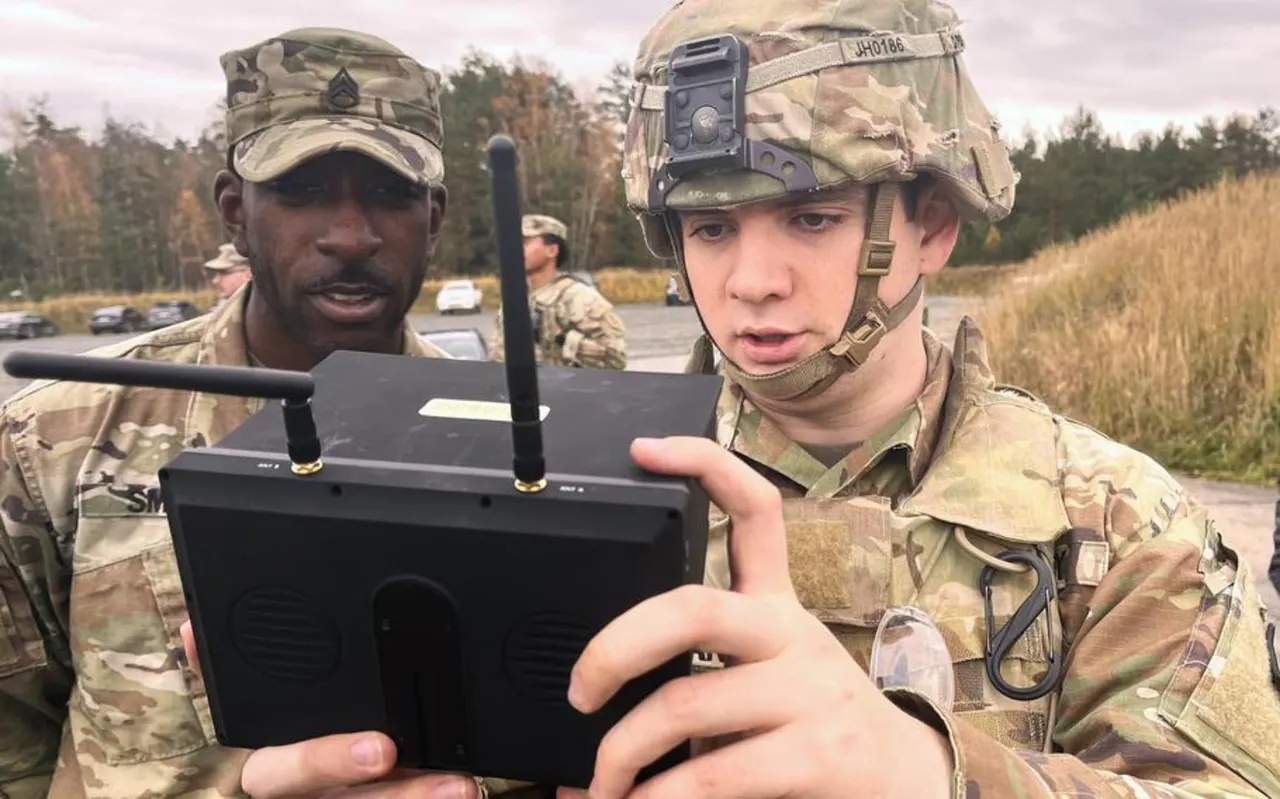
On 12 November 2026, at the Grafenwöhr training area in Germany, the Army ran a live-fire demonstration. The unmanned ground vehicle left a standard container about 6 metres long and used a mounted HIV3 launcher to put 18 drones in the air. They then carried out a coordinated, autonomous attack on a range target.
The demo belonged to a programme called R3ACT (Remote Rapid Response Autonomous Contingency Team), which is about shipping modular unmanned systems in containers. A TRV-150 drone first dropped a smoke payload on the target, then the swarm went in. Soldiers from the 173rd Airborne Brigade also made a separate strike with an ordinary FPV drone. A second R3NEGADE carried a remotely controlled weapon station with a Javelin anti-tank missile, and a TRV-400 drone with the developing FIR3FLY anti-armour system sat in a static display.
How autonomous is the drone swarm?
That is the open question. A drone that flies to a preset point is not the same as one that recognises targets, or a true swarm that shares information and splits up tasks. The Army has not explained how HIV3 worked in the demo, so we do not know whether the drones cooperated or simply ran prepared tasks. There are also no details on resistance to electronic jamming or on hitting moving targets. Ukraine has shown how much drones depend on communications and navigation.
Why use a container at all?
The idea is to pre-load containers with configured robots, deliver them to chosen locations and activate them remotely when needed, instead of sending a launcher crew forward each time. The Army ties the demo to its Eastern Flank Deterrence Initiative, which aims to strengthen deterrence in Europe.
A container does not make equipment invisible. It still needs transport, protection, power, reliable communications and maintenance. The Army has given no figures on cost, how long a unit can stay ready or how fast a second attack could be prepared, so it is unclear whether this beats conventional mobile launchers.
Apps worth a look
SUMO: the number puzzleTap the right tiles, add them up, hit the target. Easy to learn, hard to master. Free, for all ages.
Dialo: learn languages by speakingTalk to an AI conversation partner; every sentence comes back corrected and explained in your language. 9 languages, A1 to C2.
ediviewer: read EDI files like documentsOpen EDIFACT and X12 messages, see every segment explained, convert to JSON/XML, export PDF and Excel. Runs locally, no upload.
giftdetect: the right gift in minutesPick who it is for, the occasion and their personality. The search engine reads product descriptions from local shops and ranks what fits. Free, no sign-up.
More from this day
See all →
Lute, the Polish startup teaching robots to feel what they grip
Coin on a Wi-Fi router: the viral trick to boost your signal

Paris is removing nearly 2,000 white direction signs because of GPS