PVC recycling: Virginia Tech turns it into engine oil base
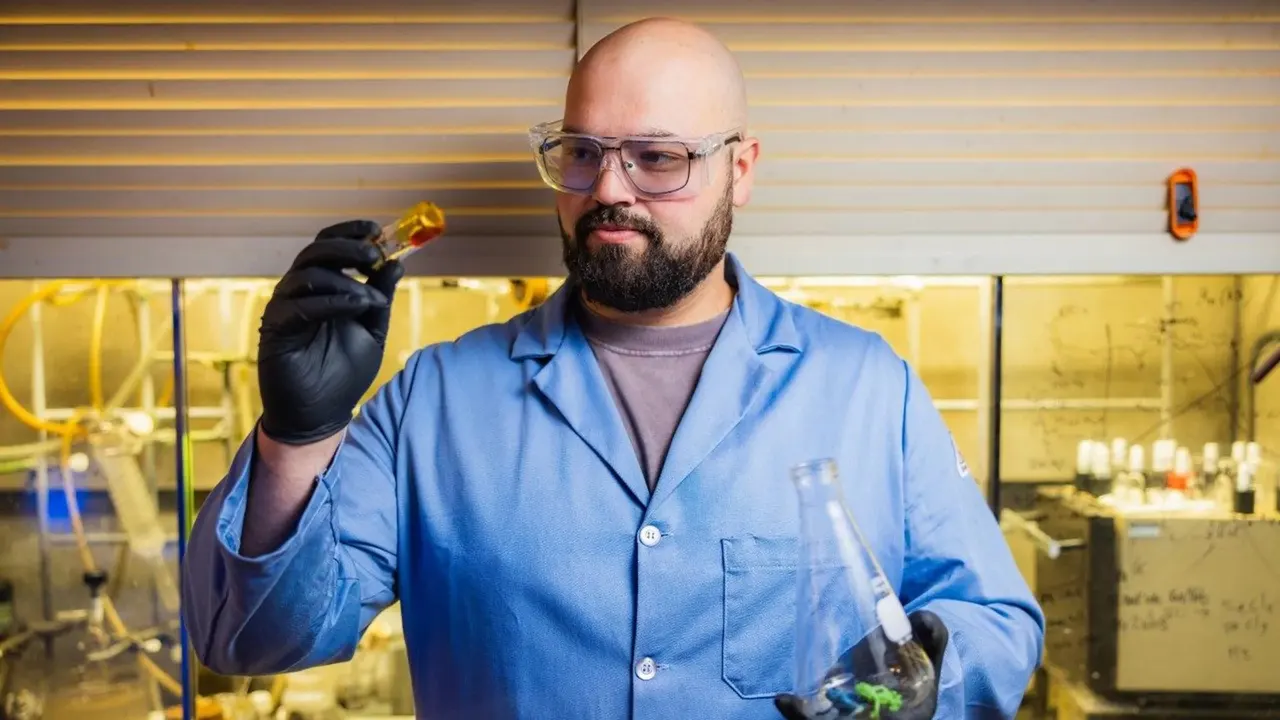
Virginia Tech researchers turned PVC, one of the hardest plastics to recycle, into a base for lubricants. The reaction took three hours at about 70 °C.
 SUMO· the number puzzle
 Dialo· learn languages by speaking
 ediviewer· read EDI files like documents
 giftdetect· the right gift in minutes
PVC is the plastic nobody wants to recycle, and a team at Virginia Tech has just found something useful to do with it: turn it into a base for engine oil. The reaction took three hours.
PVC, or polyvinyl chloride, is in water pipes, window frames, cables and bank cards. Recycling it is harder than for most plastics because of the chlorine in its structure and the many chemical additives manufacturers mix in. A large share of used PVC ends up in landfills.
The researchers converted it into polyalphaolefins, or PAOs. These are synthetic base oils used in high-quality engine oils and industrial lubricants, valued for chemical stability, good lubricating properties and the ability to work across a wide range of temperatures. Making them normally needs specific chemical feedstocks and carries environmental costs.
How does PVC become engine oil?
The team dissolved PVC in a solvent, then added aluminium chloride and alpha-olefins, hydrocarbon compounds also used in conventional synthetic lubricant production. They heated the mixture to around 70 degrees Celsius and held it there for three hours. The result was a fairly thick lubricating oil containing PAOs.
It did not go smoothly at first. The team tried to modify PVC by swapping its chlorine atoms for other chemical groups, but got soft, sticky substances with little practical value. The breakthrough came when Greg Liu suggested a different approach: instead of only modifying the long polymer chains, break them into smaller pieces. That produced a material with entirely different properties.
Will recycled PVC oil reach engines?
Not yet. The work has been shown in the lab, and it is still unknown whether it holds up at industrial scale. If it does, PVC could become a raw material for advanced oils used in cars, industrial machinery and even aircraft engines, instead of sitting in landfills.
Apps worth a look
SUMO: the number puzzleTap the right tiles, add them up, hit the target. Easy to learn, hard to master. Free, for all ages.
Dialo: learn languages by speakingTalk to an AI conversation partner; every sentence comes back corrected and explained in your language. 9 languages, A1 to C2.
ediviewer: read EDI files like documentsOpen EDIFACT and X12 messages, see every segment explained, convert to JSON/XML, export PDF and Excel. Runs locally, no upload.
giftdetect: the right gift in minutesPick who it is for, the occasion and their personality. The search engine reads product descriptions from local shops and ranks what fits. Free, no sign-up.
More from this day
See all →
Fake Claude Code skills on GitHub install MopsStealer on Windows
Returning glass bottles: where to take them and can a shop refuse?

Neuralink user plays GTA 6 with his mind, no controller

Firefox security fixes now take 27% of developer effort, AI-driven
More in: Science
See all →
Godzilla Megamullion: Seafloor Giant Named a Top 100 Geosite

Wolbachia mosquitoes cut dengue infections in kids by about 70%
Earth's axis shifted 80 cm because we pumped out groundwater