Proxima Fusion signs Japanese deals with Fujikura and Kyoto Fusioneering
Proxima Fusion has signed MoUs with Fujikura and Kyoto Fusioneering in Tokyo to build German supply chains for superconducting tape, plasma heating and fuel cycle systems.

German fusion company Proxima Fusion has signed two memoranda of understanding with Japanese firms Fujikura and Kyoto Fusioneering. The agreements were signed in Tokyo during Chancellor Friedrich Merz's visit to Japan and cover high-temperature superconducting (HTS) tape, plasma heating and fusion fuel cycle technologies.
The goal is to bring Japanese manufacturing and engineering expertise into Proxima's plans for Alpha, its demonstrator, and Stellaris, its planned commercial power plants. The German government has set a goal of building the world's first fusion power plant in the country, which will require industrial-scale supply chains for components not yet produced at the needed volumes.
Fujikura: superconducting tape for Lower Saxony
Under the Fujikura deal, Proxima will assess the technical, commercial and economic feasibility of an HTS tape supply chain in Lower Saxony, including possible local manufacturing. HTS tape is a key material for the compact, high-field magnets used in stellarators.
Proxima expects to need about 20,000 kilometres of tape for Alpha and around 40,000 kilometres for each Stellaris plant. Clearer long-term demand could help manufacturers scale up, cut costs and build more resilient supply chains.
Kyoto Fusioneering: heating and fuel cycle
The second agreement expands existing cooperation with Kyoto Fusioneering on next-generation gyrotrons, which produce the high-power microwaves that heat plasma, and on fuel cycle systems that manage the fuel needed to sustain fusion. The Japanese company will contribute engineering expertise to commercial deployment in Germany, including through the national Fusion Hubs initiative of the Federal Ministry of Research, Technology and Space (BMFTR).
"The global race to fusion will be won in factories and supply chains," said Proxima CEO and co-founder Francesco Sciortino.
Roadmap
Both partnerships support Proxima's timeline: Alpha, a net-energy-gain stellarator, is targeted for the early 2030s, with Stellaris, its first commercial plant, planned for later that decade. The Munich-based company, which has around 200 employees, is developing the QI-HTS stellarator concept and is backed in its commercialisation plans by the Alpha Alliance, a consortium of more than 50 industrial partners.
More from this day
See all →
M.Video launches rental service for refurbished electronics

Mail.ru Cuts Free Lifetime 1 TB Cloud Storage for Early Users
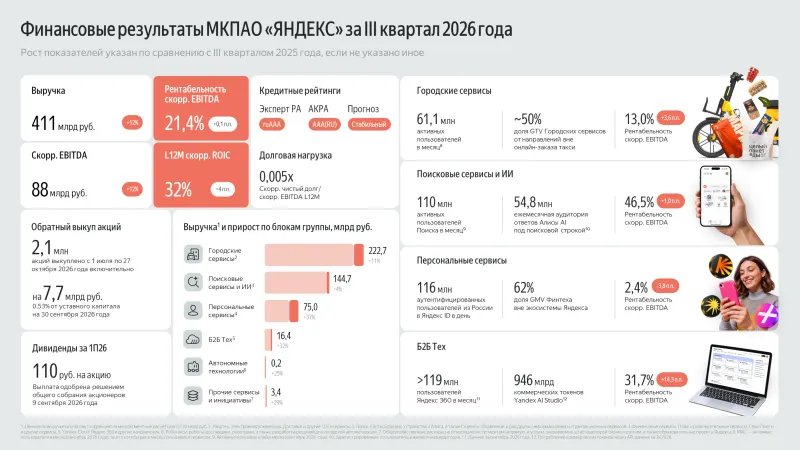
Yandex Q3 Revenue Hits 411 Billion Rubles, Pulls Guidance After Data Center Attacks

HYPE nears all-time high as ICE plans US Hyperliquid perpetuals
More in: Startups
See all →
Ex-UK minister Bim Afolami raises £4.9M for AI broker i23

ALLOX Raises $10.5M Seed to Scale AI Drug Discovery Platform