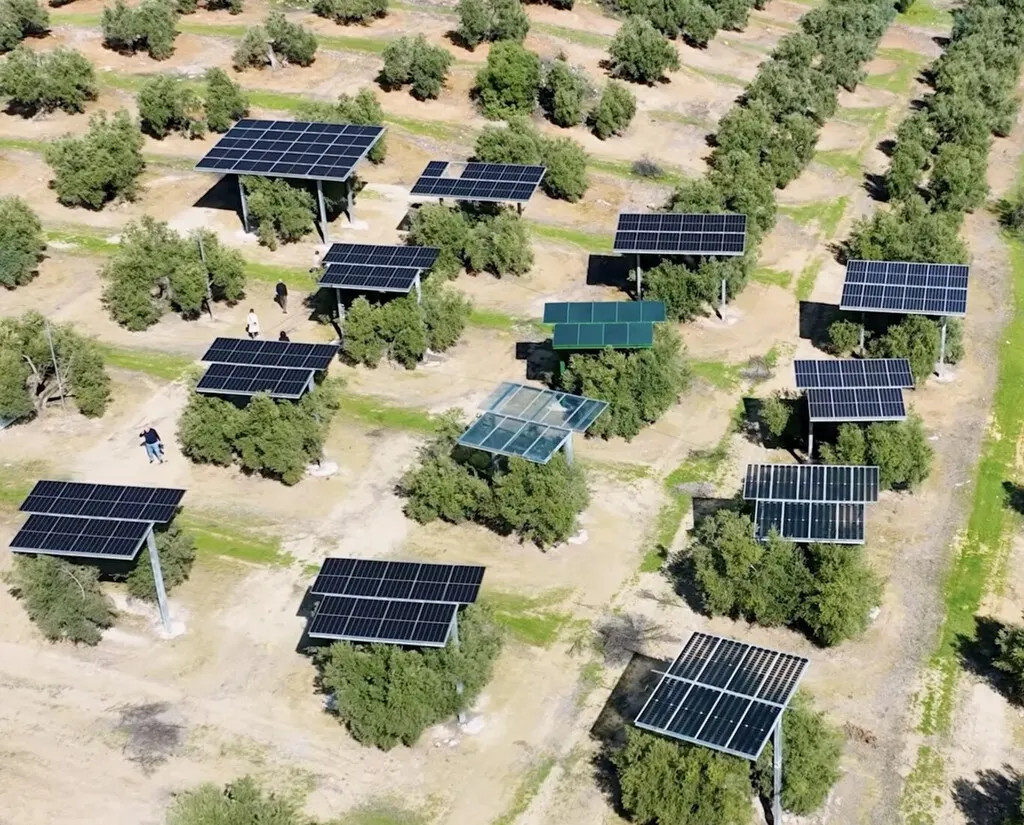
Polish Researchers Turn Potato Peels Into Solar Cell Material
Scientists at Lodz University of Technology are making graphene quantum dots from potato peels, aiming at organic photovoltaics and, eventually, solar paint.

Researchers at the Institute of Materials Science and Engineering at Lodz University of Technology are working on photovoltaics made from organic waste, including potato peels.
The team is led by Dr. Piotr Zawadzki. Their approach starts from a simple fact: life is built on carbon, and heavily burnt potatoes are, quite literally, charred carbon. That carbon can be turned into graphene quantum dots. Thanks to their optoelectronic properties, these particles can convert sunlight into electricity, much like conventional silicon solar panels.
Lower efficiency, cheap raw material
The technology has two clear drawbacks. According to the project description, quantum-dot cells are 3 to 4 times less efficient than silicon panels, and they are also less durable.
The researchers argue that this is offset by the raw material. Production does not even need whole potatoes, only peels, which households and food processors throw away anyway. Efficiency is also not the only factor; surface area matters too. The team expects that over time they will be able to develop a photovoltaic paint based on the graphene quantum dots they produce, which could be applied to large surfaces.
Added benefits
The dots could also be combined with classic photovoltaic panels to raise their efficiency. In addition, the material has antibacterial and antistatic properties, which opens up uses beyond energy generation.
The work is still at the research stage, and no commercial timeline has been given. If the technology matures, it could offer a way to turn food waste into a source of electricity, though the lower efficiency and shorter lifespan will have to be addressed first.
More from this day
See all →


More in: Science
See all →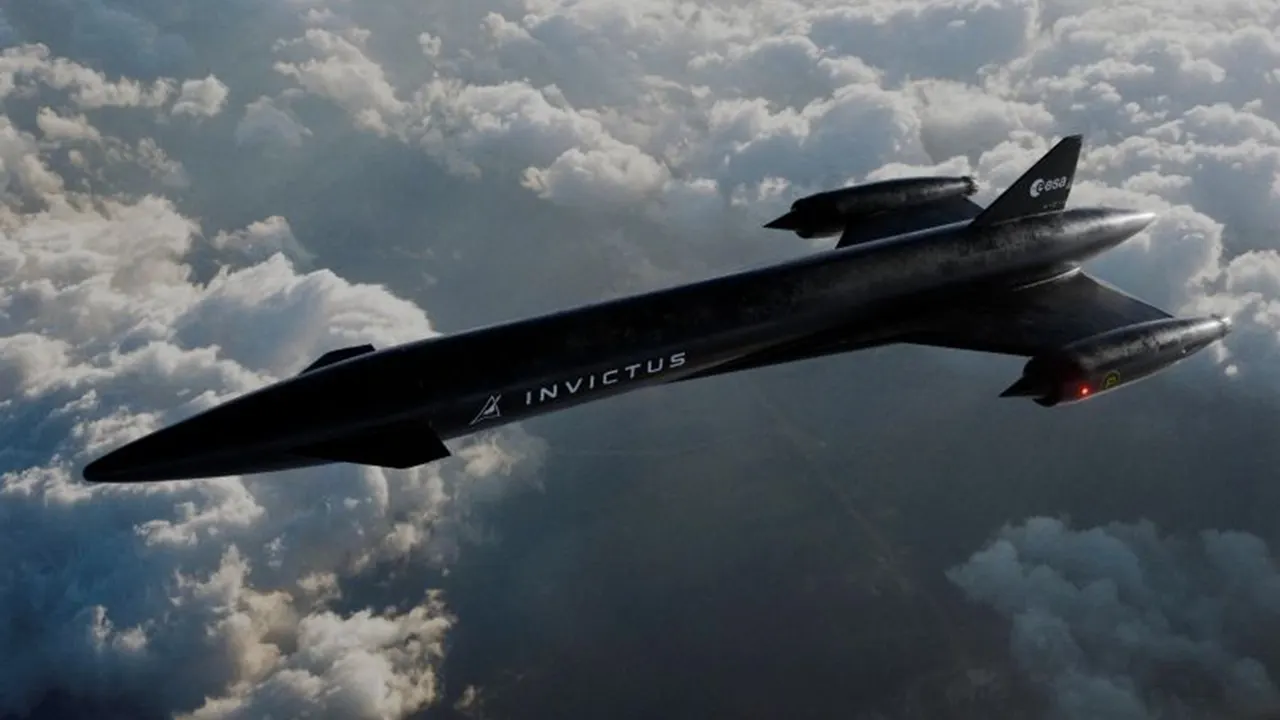
Invictus: Europe's Mach 5 Hypersonic Aircraft Clears Key Review
Polish Scientists Build Robot for Precise Drug Delivery to the Eye
Beta Pictoris 'Cat's Tail' Traced to Pluto-Sized Collision