Japan Asks Telecoms to Block Attacker Site in GMO Breach
Japan's communications ministry has asked carriers to block a website that published data tied to the GMO Internet breach, raising questions over secrecy of communications.
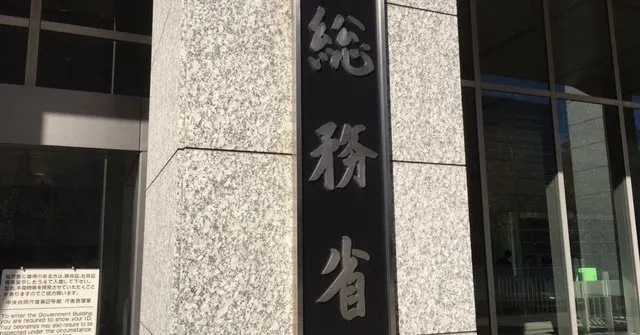
Japan's Ministry of Internal Affairs and Communications has asked telecom carriers to "block" a website run by the attackers in the GMO Internet unauthorized-access case, according to reports from several Japanese newspapers on October 29. The site had published what is believed to be personal information belonging to GMO customers.
The request is dated October 27 and was sent to carriers through four telecom industry bodies, including the Telecommunications Carriers Association. The ministry cited a realistic risk that the data could be abused and cause secondary harm. In the request it said that, given the large social impact of the incident, it asked for the site containing the information to be cut off.
A legally sensitive step
Blocking is controversial in Japan because it requires carriers to know which destinations all users connect to. That could infringe the "secrecy of communications" guaranteed by the constitution. A senior executive at a major carrier said it was difficult to decide whether to carry out the request.
Carriers have not disclosed whether they actually implemented any blocking. Chief Cabinet Secretary Minoru Kihara said at a press conference on the morning of October 29 that the government was in "various exchanges" with carriers, but declined to give specifics, saying the case is still ongoing.
Domains suspended
On October 28, GMO announced that it had confirmed the suspension of the attackers' domains, including mirror sites. One newspaper reported that the sites became inaccessible and that blocking was, as a result, never triggered.
GMO has previously urged people not to access the information the attackers published, and said it is preparing legal action against malicious spreaders. It has also said it will provide new PCs to customers hit by the ransomware attack.
The episode shows how quickly a data leak can turn into a policy debate over how far authorities can go in restricting access to harmful content online.
More from this day
See all →
South Korea Fines Google and Apple Over $47 Million Over App Stores

ESA's Hera Probe Splits Didymos and Dimorphos in First Image

Orlen: Aphrodite Gas Field in North Sea Holds Twice More Than Thought

BY Venture Partners closes $60M Fund III, opens Lisbon office
More in: Security
See all →
PHP Vulnerability Forces 31 Japanese Municipalities Offline
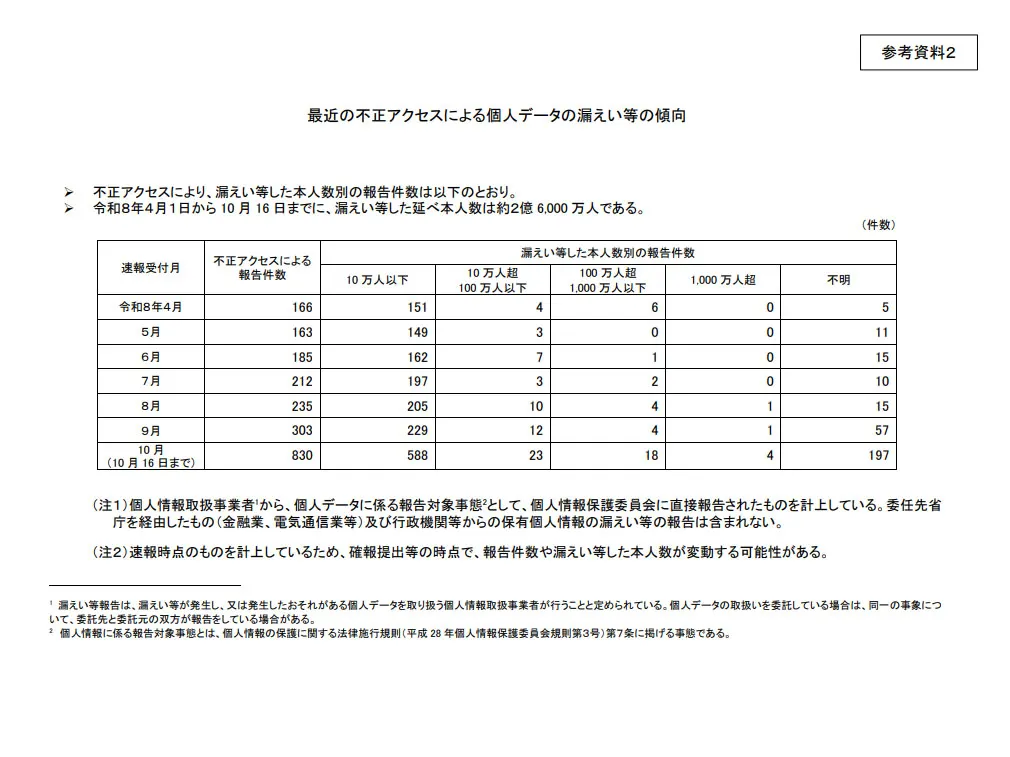
Japan Data Breaches Top 260 Million People in Fiscal 2026
Yakult Honsha Confirms Leak of About 40,000 Personal Records