PC RAM Shrinks for the First Time as AI Drives Up DRAM Prices
CPU-Z data shows average PC RAM capacity falling year on year for the first time, as 32GB and 64GB systems lose share to 16GB builds amid AI-driven DRAM costs.

 SUMO· the number puzzle
 Dialo· learn languages by speaking
 ediviewer· read EDI files like documents
 giftdetect· the right gift in minutes
Average RAM capacity in PCs has fallen year on year for the first time, according to the latest CPU-Z hardware survey. The AI-driven memory shortage is pushing DRAM prices up, and more users are settling for smaller configurations.
The CPU-Z Validator data comes from setups that users submit voluntarily, so it does not represent overall PC sales or the whole global market.
32GB and 64GB lose ground
Over the past three months, systems with 32GB of RAM fell by 2.5%, while 64GB machines dropped a sharper 18%. Smaller setups grew: 16GB systems rose 12.9% and 8GB systems 5.5%. The 24GB configuration posted the strongest gain at 19.7%.
32GB is still the most common configuration, at 37.2% of surveyed systems. But 16GB is closing in, trailing by just 4.2 percentage points. The pattern suggests buyers are postponing memory upgrades or choosing cheaper kits.
DDR4 gains, DDR5 slips
The older DDR4 standard also strengthened. Its share rose 6 percentage points year on year to 54.4%, making it the most widely used memory generation in the survey. DDR5 fell 2.9 points to 32.9%. Both generations have become more expensive, but DDR4 remains a comparatively affordable route for upgrades and new builds.
The Steam hardware survey shows a similar shift. Last month, the share of Steam users with 32GB fell 5.1%, while 16GB, the most common configuration, rose 3.6%.
Outlook
Relief does not look imminent. TeamGroup CEO Chen Ching-wen reportedly warned last week that memory prices will keep rising for an extended period. He also cautioned that the IT industry could face its worst chip shortage between the fourth quarter of 2026 and the end of the second quarter of 2027.
Demand for memory chips from AI infrastructure developers and data centre operators keeps straining global DRAM supply. If tech companies continue to invest heavily, PC makers and consumers may face higher component costs, making high-capacity configurations ever harder to afford.
Apps worth a look
SUMO: the number puzzleTap the right tiles, add them up, hit the target. Easy to learn, hard to master. Free, for all ages.
Dialo: learn languages by speakingTalk to an AI conversation partner; every sentence comes back corrected and explained in your language. 9 languages, A1 to C2.
ediviewer: read EDI files like documentsOpen EDIFACT and X12 messages, see every segment explained, convert to JSON/XML, export PDF and Excel. Runs locally, no upload.
giftdetect: the right gift in minutesPick who it is for, the occasion and their personality. The search engine reads product descriptions from local shops and ranks what fits. Free, no sign-up.
More from this day
See all →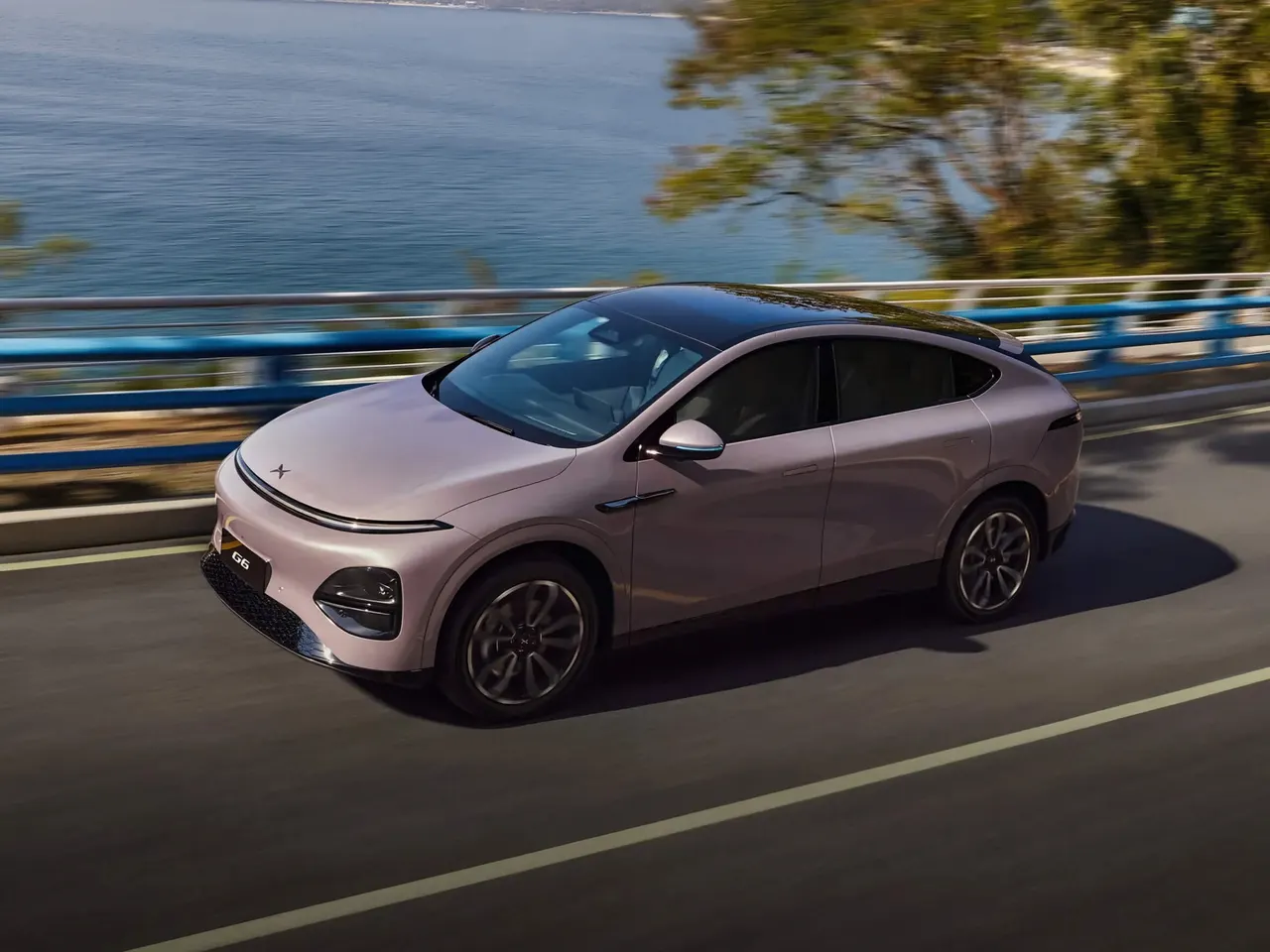
XPeng G6 and G9 Electric SUVs Go on Sale in Russia With Yandex

Yandex Market Launches 24/7 Live Shopping Streams in Its App

600,000 Nvidia H200 Chips Reportedly Stuck in Hong Kong Warehouse