600,000 Nvidia H200 Chips Reportedly Stuck in Hong Kong Warehouse
About 600,000 Nvidia H200 GPUs are reportedly waiting in Hong Kong for shipment to mainland China, as Beijing's own limits and a grey market reshape demand.
 SUMO· the number puzzle
 Dialo· learn languages by speaking
 ediviewer· read EDI files like documents
 giftdetect· the right gift in minutes
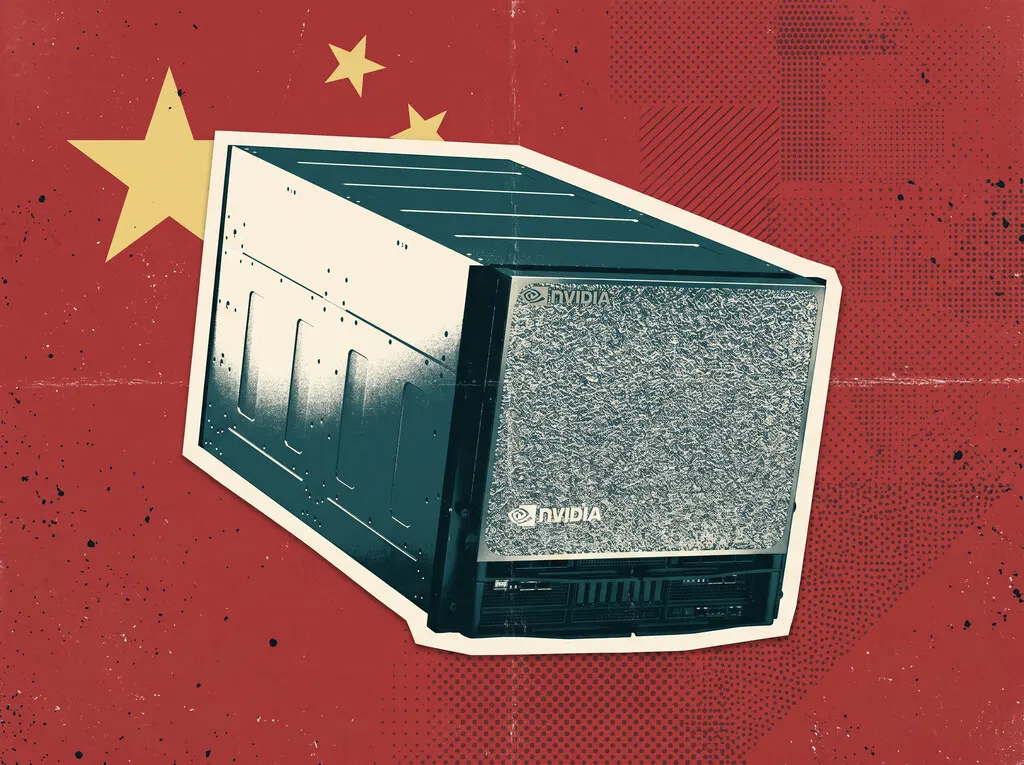
Around 600,000 Nvidia H200 chips are sitting in storage in Hong Kong, waiting to be sent to mainland China, according to a report published on 5 November that cites two people familiar with the matter. The sources confirmed the chips were being held there but did not detail the full scale of the operation.
The number is striking because the H200 has been at the centre of the US-China chip dispute for years. Washington restricted its sale to China from 2022, then allowed selected Chinese customers to buy it. The report says about a dozen companies, including Alibaba, Tencent and ByteDance, got access in May. The H200 is not Nvidia's newest chip, but combined with CUDA software it remains highly sought after for AI training, and Chinese alternatives have not matched it.
Beijing set its own limits
China then imposed restrictions of its own. In July, authorities reportedly told those three firms and others such as DeepSeek that they could buy the chips only in limited quantities and for training models. Total approvals would come to fewer than 200,000 units, because Beijing wants companies to rely on domestic processors, such as those from Huawei, for inference.
The gap between roughly 200,000 approved chips and 600,000 in storage points to a parallel market. Several large companies are said to have acquired about 10,000 GPUs each, though sources say the true volume is impossible to pin down given grey-market intermediaries and indirect routes, partly via Singapore. At the end of October, a server with eight H200 cards sold in mainland China for around 6 million yuan (about $900,000), triple the price a year earlier. Servers built on Blackwell GPUs, also under US controls, go for about 20 million yuan each.
Pressure on Nvidia
The news lands during a rough week for the company. Its shares fell sharply at the close on 5 November, and its board has announced a committee to oversee a case tied to alleged Chinese espionage involving CEO Jensen Huang. Separately, a Singapore data center firm and Nvidia customer, Megaspeed, was accused last October of channeling about $2 billion of GPUs to China through its subsidiary Speedmatrix.
For Nvidia, the episode shows how hard it is to control where its chips end up. For Chinese buyers, it shows how much they are willing to pay to keep access to them.
Apps worth a look
SUMO: the number puzzleTap the right tiles, add them up, hit the target. Easy to learn, hard to master. Free, for all ages.
Dialo: learn languages by speakingTalk to an AI conversation partner; every sentence comes back corrected and explained in your language. 9 languages, A1 to C2.
ediviewer: read EDI files like documentsOpen EDIFACT and X12 messages, see every segment explained, convert to JSON/XML, export PDF and Excel. Runs locally, no upload.
giftdetect: the right gift in minutesPick who it is for, the occasion and their personality. The search engine reads product descriptions from local shops and ranks what fits. Free, no sign-up.
More from this day
See all →
Yandex Market Launches 24/7 Live Shopping Streams in Its App
Super Micro-Linked Broker Pleads Guilty in Nvidia Chip Smuggling

EU sues IBM-led consortium over delays to border control system

Outlook.com rejects mail from small senders without DMARC
More in: Hardware
See all →
Bull opens €80M Angers factory to double supercomputer output

Temple wearable: Goyal's ₹85,000 device vs Apple Watch, Garmin
ASUS Zenbook 14 launches in India from ₹136,990 with OLED