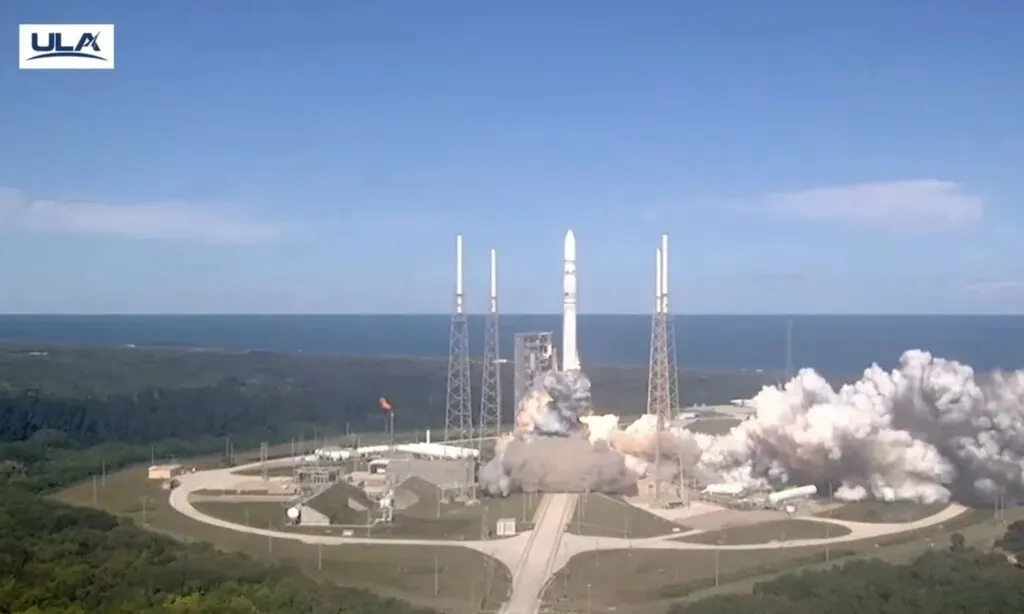
OPS-SAT Pretty plays Doom after a voice command from an Oslo roof
A group of Norwegian radio amateurs spent 59 days and about 700 euros to tell an ESA satellite to play Doom. The message went out from a rooftop in Oslo.
 SUMO· the number puzzle
 Dialo· learn languages by speaking
 ediviewer· read EDI files like documents
 giftdetect· the right gift in minutes
"Pretty, play Doom, Doom, Doom." That sentence, sent from a rooftop in Oslo, made an ESA satellite start a game of Doom in orbit. It is the first time the satellite did it on a spoken command from the ground.
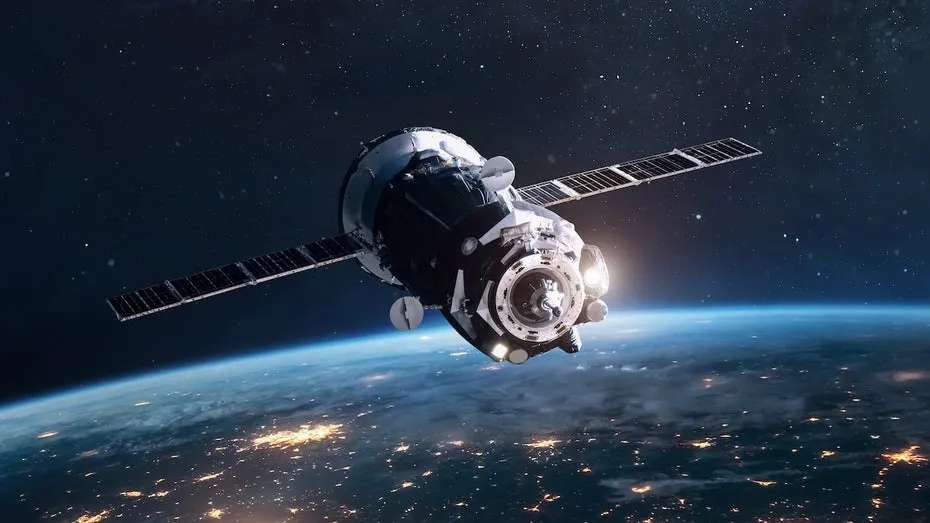
The satellite is OPS-SAT "Pretty", which has been circling Earth since 2023. Its day job is a passive reflectometer that picks up Galileo and GPS signals bounced back from the Earth's surface. But the CubeSat (a small, standardised satellite) has a computer with room for more.
Can a satellite really play Doom?
Yes, in a basic form. Developer Ólafur Waage had already managed it on the previous ESA OPS-SAT with his project "OPS-SAT Doom Media Coverage". The satellite runs a rudimentary version of the shooter and reports back at the end of a level how many kills there were and whether items and secrets were found.
The new twist was the trigger. Amateur radio operators in several countries were asked to send a message to the satellite to start the game. Teams in Poland and Norway failed repeatedly between April and July 2026.
The Norwegian Radio Relay League finally got through. "We are radio amateurs with the emphasis on amateurs," the club wrote. Satellite work was never its thing and it had no budget, but it borrowed a quote wrongly attributed to Pippi Longstocking: "I have never tried that before, so I am quite sure I can do it!" The effort took 59 days and cost the equivalent of just under 700 euros, pizza orders included, according to the club.
Why did it take so long?
Part of the problem sat on the satellite. ESA staff had to tweak Pretty's speech recognition first. The receiver channel was set too wide, so signals arrived but were unintelligible. Once the channel was narrowed, Pretty could understand the words and act on them.
The stunt has a serious side. Satellites with speech recognition could take emergency calls from radio operators in remote areas. Combined with AI, they could pass coordinates and key details to rescue teams. Another idea is for satellites to analyse radio frequencies from deep space on their own and relay the results to Earth or to spacecraft.
Apps worth a look
SUMO: the number puzzleTap the right tiles, add them up, hit the target. Easy to learn, hard to master. Free, for all ages.
Dialo: learn languages by speakingTalk to an AI conversation partner; every sentence comes back corrected and explained in your language. 9 languages, A1 to C2.
ediviewer: read EDI files like documentsOpen EDIFACT and X12 messages, see every segment explained, convert to JSON/XML, export PDF and Excel. Runs locally, no upload.
giftdetect: the right gift in minutesPick who it is for, the occasion and their personality. The search engine reads product descriptions from local shops and ranks what fits. Free, no sign-up.
More from this day
See all →
Comet 220P/McNaught suddenly got 1,000 times brighter. Here's why

Coral Hart used AI to write 370 books in 20 months
WhatsApp Zaps: self-deleting photos and videos for any chat

Green SM taxis: Karnataka halts new registrations, eyes mandatory meters
More in: Space
See all →
Reflect Orbital wants 50,000 mirror satellites to sell sunlight
Dream Chaser space plane cleared to land ahead of 2027 debut

ASTRA robot builds a structure in orbit with no humans