Nvidia Advances Billions to Suppliers to Lock In AI Chip Output
Nvidia is prepaying suppliers to expand capacity for substrates, advanced packaging and testing, as demand for its AI accelerators outpaces manufacturing.
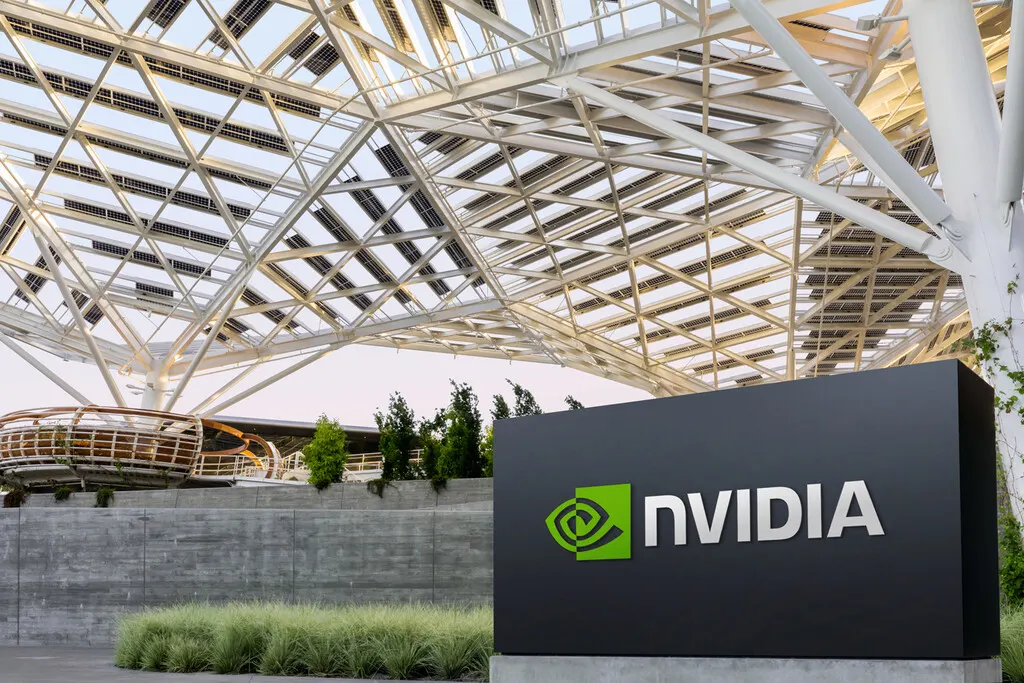
Nvidia is advancing billions of dollars to its suppliers so they can expand their plants and reserve production capacity for its AI accelerators. The company has announced agreements with six suppliers of components essential to those chips: substrates, advanced packaging, semiconductor testing and optical engines.
A business transformed by AI
The logic is easy to follow. In just two years, Nvidia has more than tripled its revenue and quadrupled its net profit. Profit grew 581% in fiscal 2024 and 145% in fiscal 2025. In fiscal 2026, which ended on 25 January, net profit reached $120.067 billion.
Gaming GPUs, historically the company's engine, no longer drive the business. In the second quarter of fiscal 2027, which ended on 26 July, data centers generated 92.5% of revenue.
Substrates and packaging are the bottlenecks
Demand for AI chips is growing faster than manufacturers such as TSMC, SK hynix, Samsung or Micron can expand capacity. Substrates, which connect an accelerator's chips to the printed circuit board, are among the biggest obstacles because they are so complex to make. Nvidia wants to raise substrate production 2.5 times over the next three years, and has struck deals with Ibiden, Samsung Electro-Mechanics and Unimicron to get there.
Advanced packaging is the other critical step. Modern GPUs combine several components, including HBM memory, which must be assembled with sophisticated techniques. Nvidia is backing Amkor, its main advanced packaging provider, to increase its interposer wafer capacity by more than 300% before the end of 2028.
For customers, the message is that Nvidia is treating supply as a strategic priority as much as chip design. Financing the supply chain is a way to secure the volume it expects to sell, at a time when the availability of key parts, rather than demand, can limit how many accelerators reach the market.
More from this day
See all →
Woodle Launches Woodle Mobile, a Kids-Focused MVNO in Korea

Hyundai Motor Group Starts Saemangeum AI Data Center Project
Aeon and Mujin Open Physical AI Hub, Automating Half of Work

Japan Lets Police Hack Attack Servers as GMO Requests First Use
More in: Hardware
See all →
Samsung Warns the RAM Shortage Will Get Worse in 2027

km5 Unveils Sp1 Slim Speaker and Mp1 Wireless DJ Mixer

XREAL AURA Android XR Glasses Launch in US, Canada and Korea