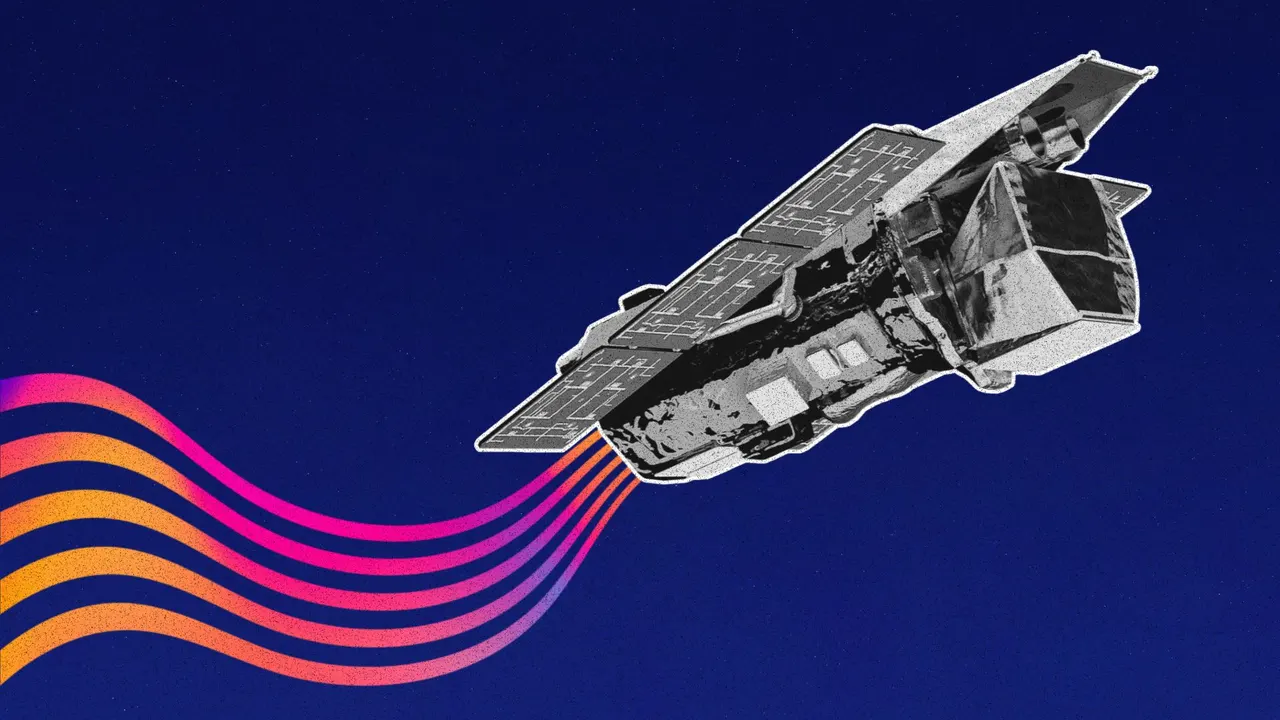
NASA's Swift telescope burns up over Indonesia after 22 years
NASA's Swift space telescope reentered the atmosphere over northern Sumatra on 4 November 2026, ending a mission meant to last two years but that ran for nearly 22.
 SUMO· the number puzzle
 Dialo· learn languages by speaking
 ediviewer· read EDI files like documents
 giftdetect· the right gift in minutes
NASA's Swift space telescope fell back to Earth on Wednesday 4 November 2026, ending almost 22 years in orbit. According to the US Space Force, the observatory reentered the atmosphere at 13:39 Paris time (12:39 GMT) and broke up over the North Sumatra region of Indonesia. The fiery breakup produced a spectacular fireball that was filmed from the ground.
The Aerospace Corporation, a research center that works for the US military and tracks satellite reentries, also published a map on X showing where Swift came down.
A failed rescue attempt
Swift's science mission had already ended days earlier. Its last observation of the sky took place on 20 October, when the telescope was at an altitude of 275 km. At that height it could no longer compensate for atmospheric drag and went into safe mode. Three days later, NASA said it had "closed the eyes" of Swift by switching off its instruments.
A few months earlier, NASA had tried to save the telescope with LINK, a space tug built by the US company Katalyst Space and launched on 3 July. LINK was supposed to lift Swift to a more suitable orbit at 600 km, but technical problems, including an uncontrolled spin of the tug, prevented it, and NASA abandoned the rescue.
NASA expected most of the spacecraft to burn up during reentry, although some components may have survived. Swift weighed about 1,450 kg. Before the fall, the agency put the risk of a person being hit by debris at roughly 1 in 2,100. Because of Swift's low orbital inclination, any fragments could only have landed between 20.6 degrees south and 20.6 degrees north latitude.
Far beyond its planned lifetime
Swift launched in 2004 with a two-year primary mission to study gamma-ray bursts, the most powerful explosions known in the Universe. It ended up serving for more than two decades as what NASA calls a versatile tool for exploring the cosmos. It was used to study galaxies powered by supermassive black holes, supernovae, and comets and asteroids in the Solar System.
Apps worth a look
SUMO: the number puzzleTap the right tiles, add them up, hit the target. Easy to learn, hard to master. Free, for all ages.
Dialo: learn languages by speakingTalk to an AI conversation partner; every sentence comes back corrected and explained in your language. 9 languages, A1 to C2.
ediviewer: read EDI files like documentsOpen EDIFACT and X12 messages, see every segment explained, convert to JSON/XML, export PDF and Excel. Runs locally, no upload.
giftdetect: the right gift in minutesPick who it is for, the occasion and their personality. The search engine reads product descriptions from local shops and ranks what fits. Free, no sign-up.
More from this day
See all →
GOG GALAXY Is Coming Natively to Linux After 18 Years
Claude Code accused of leaking users' email addresses to websites

Alta Ares wins six NATO counter-drone lots in first big deal

NCBR Sets Aside PLN 25 Million for International AI R&D Projects
More in: Space
See all →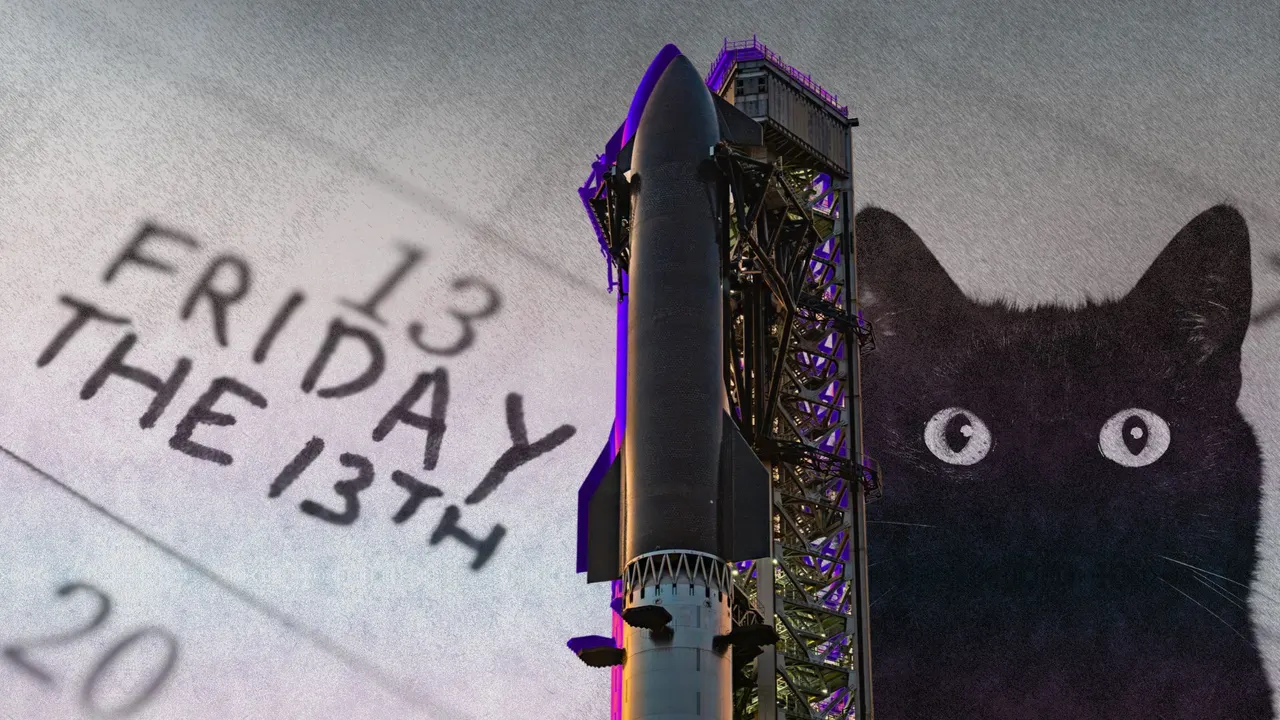
SpaceX Targets Friday the 13th for Starship Flight 15 Double Catch
Blue Origin unveils New Glenn GS3 third stage and Northstar engine
Contec Develops AI Super Resolution for Existing Satellite Images