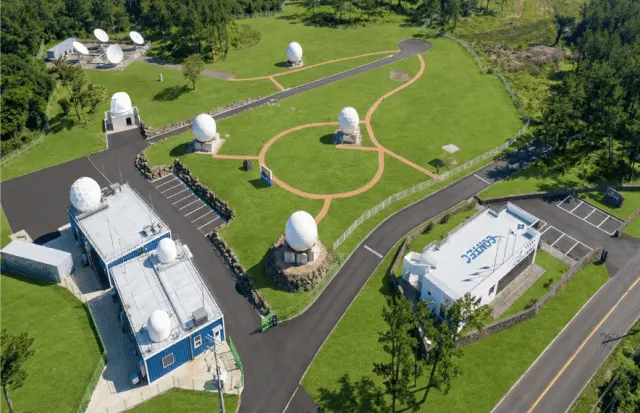
CesiumAstro Raises $730M Series D, Unveils Synchronicity Network
CesiumAstro closed a $730 million Series D at a valuation above $4.5 billion and revealed Synchronicity, a planned 737-satellite AI-enabled constellation.
 SUMO· the number puzzle
 Dialo· learn languages by speaking
 ediviewer· read EDI files like documents
 giftdetect· the right gift in minutes
CesiumAstro has closed a $730 million Series D round that values the company at more than $4.5 billion. The Austin-area firm also announced Synchronicity, a planned constellation of 737 AI-enabled satellites for commercial, sovereign and defense customers.
The round was led by Janus Henderson, with Insight Partners, Sands Capital, Sumitomo Corporation of Americas, Woven Capital (Toyota's growth fund), Incharge Capital, Magnetar, AV and NewSpace Capital participating. A further $100 million in debt financing comes through the Export-Import Bank of the United States and JPMorgan. Together, CesiumAstro says it has announced more than $1.2 billion in capital in 2026.
From supplier to operator
Synchronicity marks a shift for a company that has so far supplied space technology and complete spacecraft. It will now develop and operate its own infrastructure. The design uses a dynamically managed, multi-beam, multi-frequency architecture covering Ku-, Ka- and V-band, with edge compute and multi-orbit operations. AI is meant to handle network optimization, dynamic allocation of communications resources and autonomous adaptation to changing conditions.
The company stresses vertical integration: custom silicon, active phased arrays, software-defined payloads, processors, spacecraft, mission software and terminals for air, ground, mobility and maritime use. "We designed the silicon, the active phased array, the payload, processors, the spacecraft, ground terminals, and the network as one system," CEO Shey Sabripour said.
That stack was reinforced by three acquisitions in the past 12 months: Jariet Technologies (millimeter-wave RF system-on-chip), 1Aardvark (mission software and autonomy for defense programs) and Vidrovr (real-time multimodal AI signal analysis).
Element-1 and expansion
CesiumAstro launched its first satellite, Element-1, in October 2026 and has begun on-orbit operations. It is the first of eight planned spacecraft, with seven more launches secured for the next phase.
The new funds will go toward advanced technologies, U.S. manufacturing capacity, next-generation spacecraft, Synchronicity deployment and international growth. The company also plans a $500 million investment over five years to expand its Austin-area headquarters, including the purchase of 270,000 square feet of advanced manufacturing space.
Apps worth a look
SUMO: the number puzzleTap the right tiles, add them up, hit the target. Easy to learn, hard to master. Free, for all ages.
Dialo: learn languages by speakingTalk to an AI conversation partner; every sentence comes back corrected and explained in your language. 9 languages, A1 to C2.
ediviewer: read EDI files like documentsOpen EDIFACT and X12 messages, see every segment explained, convert to JSON/XML, export PDF and Excel. Runs locally, no upload.
giftdetect: the right gift in minutesPick who it is for, the occasion and their personality. The search engine reads product descriptions from local shops and ranks what fits. Free, no sign-up.
More from this day
See all →
GOG GALAXY Is Coming Natively to Linux After 18 Years
Claude Code accused of leaking users' email addresses to websites
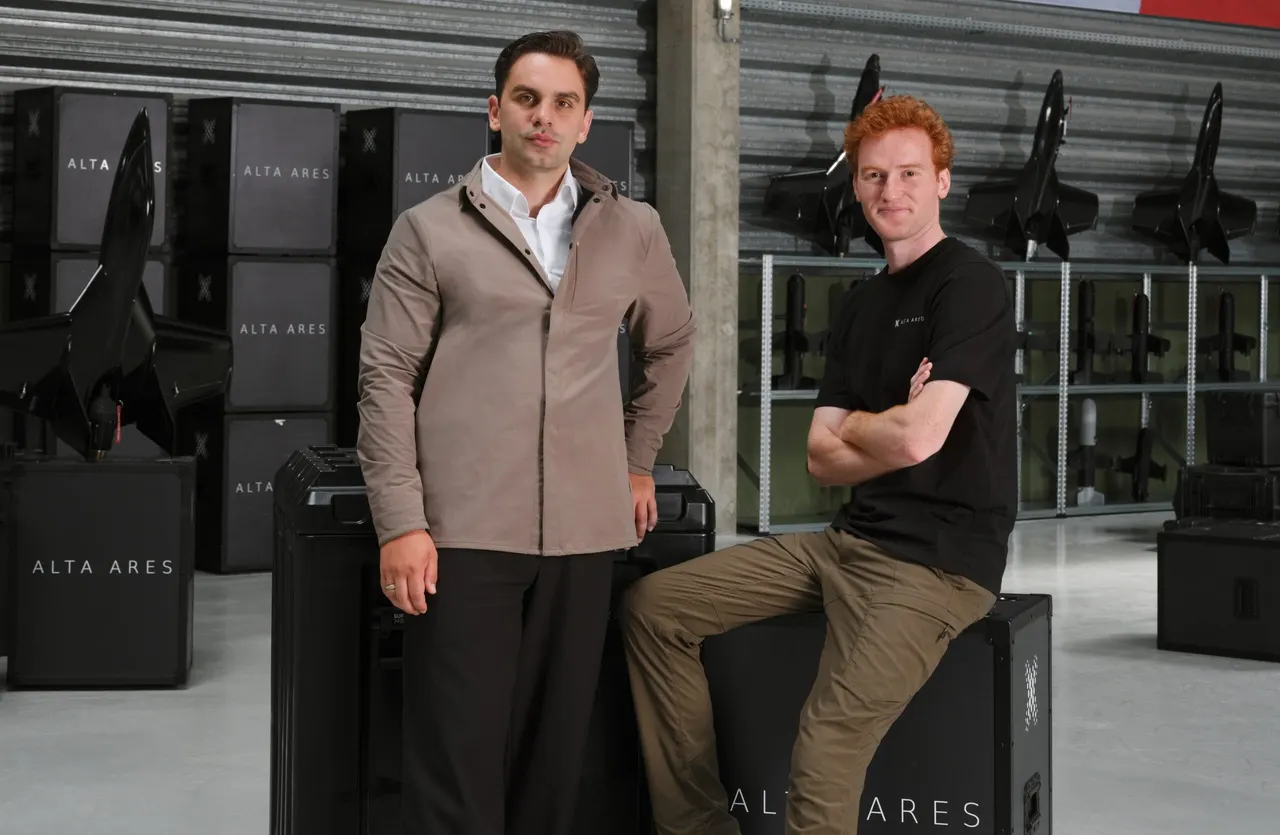
Alta Ares wins six NATO counter-drone lots in first big deal
NCBR Sets Aside PLN 25 Million for International AI R&D Projects
More in: Space
See all →
SpaceX Targets Friday the 13th for Starship Flight 15 Double Catch
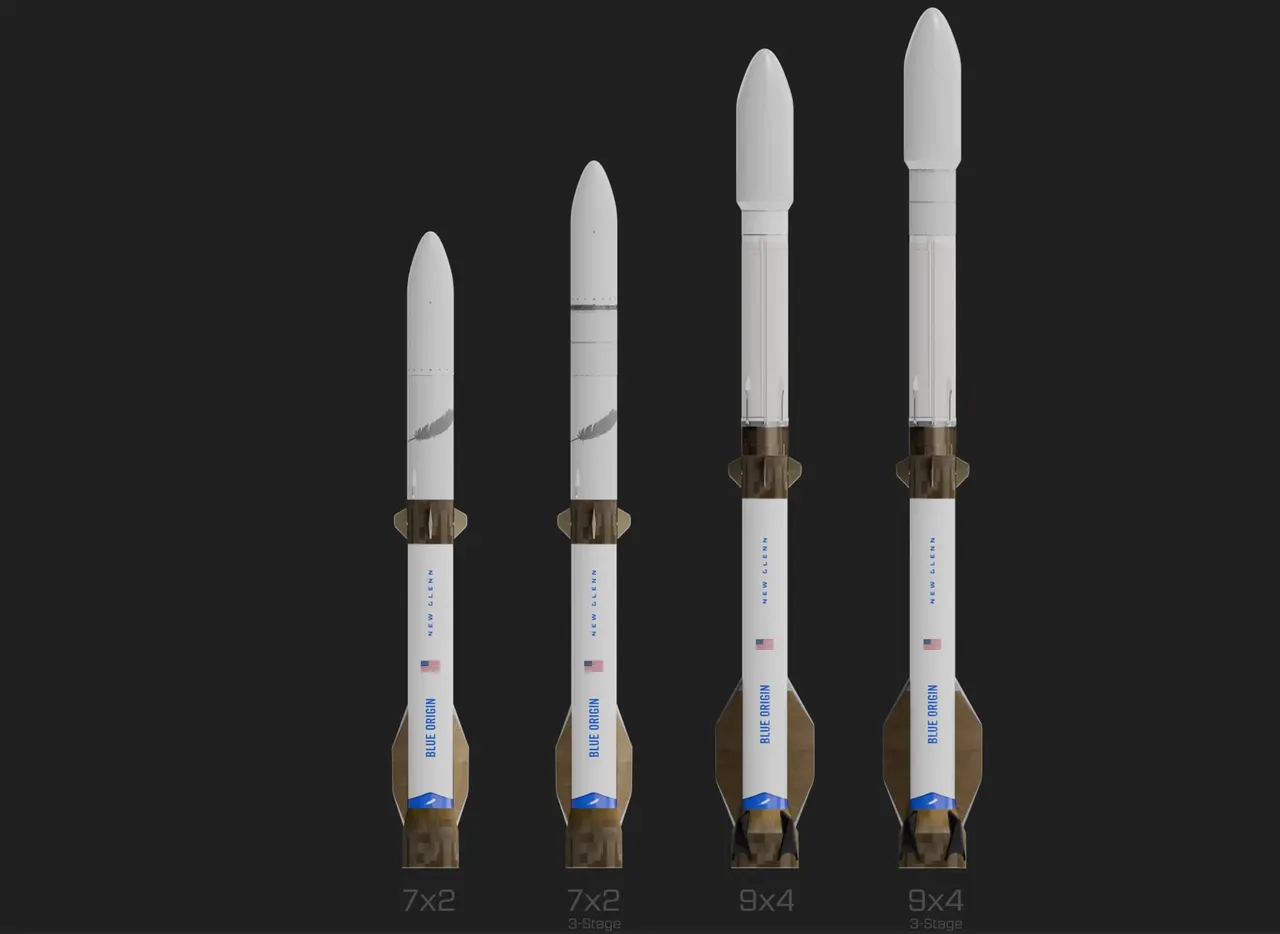
Blue Origin unveils New Glenn GS3 third stage and Northstar engine