MobiKwik Posts Record Quarterly Profit of Rs 11.8 Crore in Q2 FY27
MobiKwik reported its highest-ever quarterly profit after tax of Rs 11.8 crore in Q2 FY27, as operating revenue rose over 9% year on year to Rs 295.7 crore.
Indian fintech platform MobiKwik has reported its highest-ever quarterly profit after tax (PAT), at Rs 11.8 crore, for the second quarter of the financial year ending March 2027 (Q2 FY27).
The company's revenue from operations rose to Rs 295.7 crore, up from Rs 270.2 crore in the same quarter a year earlier. That is an increase of more than 9% year on year, according to unaudited financial statements filed with the National Stock Exchange (NSE).
Total income
Total income stood at Rs 302.7 crore in Q2 FY27, compared with Rs 279.3 crore in Q2 FY26. The gap between total income and operating revenue is roughly Rs 7 crore, which comes from income outside core operations.
Why it matters
For a listed fintech, a record quarterly profit alongside steady top-line growth is a notable marker. Revenue grew at a single-digit-plus pace, while the bottom line reached a level the company has not posted in any previous quarter. Investors tracking Indian digital payments and consumer finance companies typically watch this combination of growth and profitability closely.
The figures are unaudited, as is standard for quarterly filings. Further detail on the drivers behind the profit, such as segment performance or costs, was not part of the information disclosed in the summary of the results.
Apps worth a look
 SUMO: the number puzzle
Tap the right tiles, add them up, hit the target. Easy to learn, hard to master. Free, for all ages.
 Dialo: learn languages by speaking
Talk to an AI conversation partner; every sentence comes back corrected and explained in your language. 9 languages, A1 to C2.
 ediviewer: read EDI files like documents
Open EDIFACT and X12 messages, see every segment explained, convert to JSON/XML, export PDF and Excel. Runs locally, no upload.
More from this day
See all →
RubiLabs Launches Lapis, a Platform to Predict Global Risks
Moskvich Plans Hybrid and AWD M70 Versions for 2027 Lineup
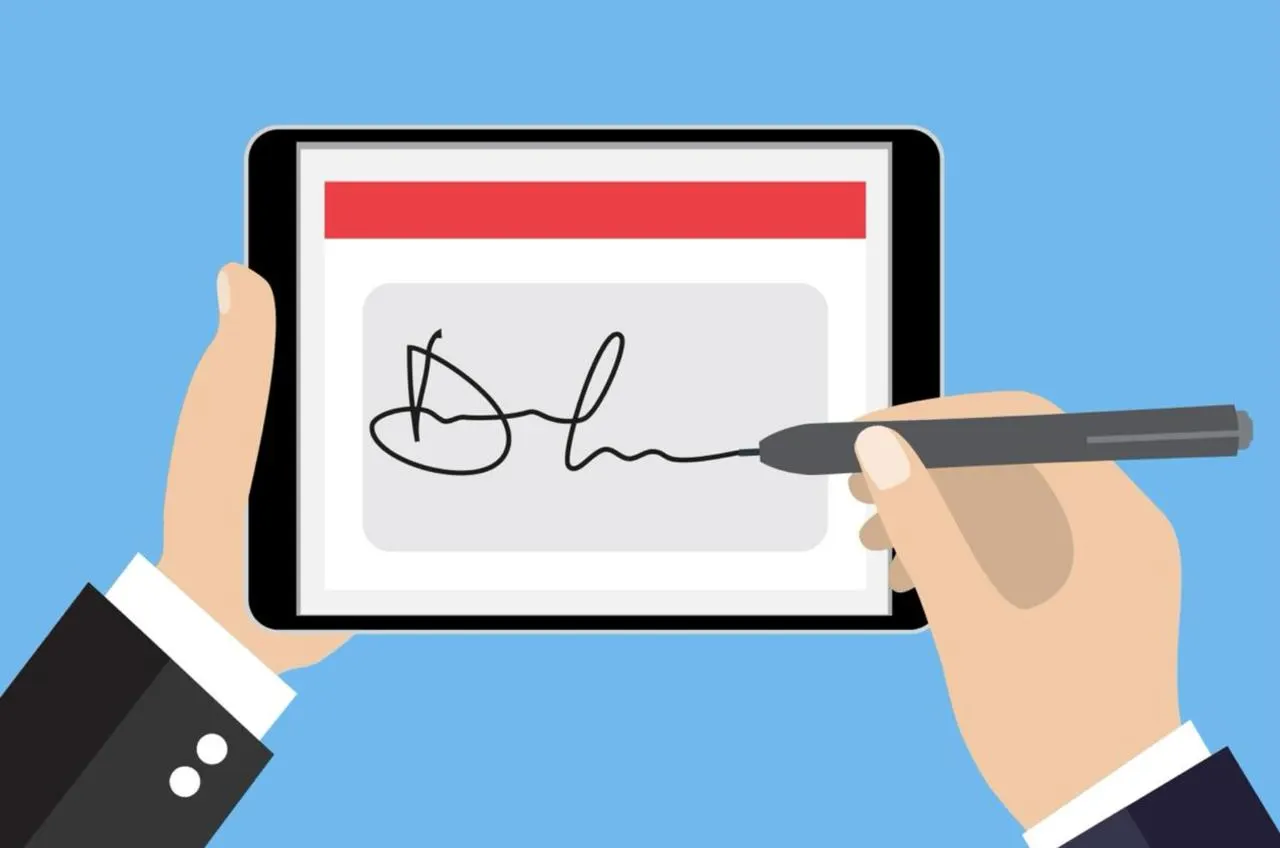
Russian Tech Giants Oppose Labor Ministry Limits on Simple E-Signatures