Microsoft AI chief Mustafa Suleyman: AI has no rights or feelings
Microsoft AI chief Mustafa Suleyman says current AI systems have no consciousness or feelings and should not be treated as beings deserving independent rights.
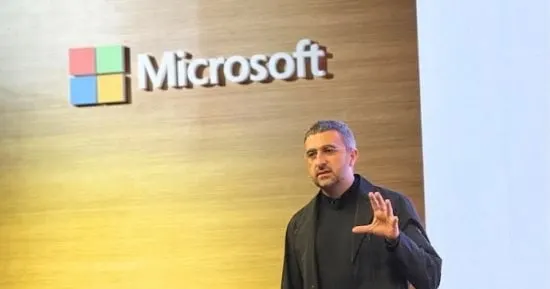
Mustafa Suleyman, the head of Microsoft's AI division, has reignited the debate over the future of artificial intelligence. He insists that today's systems have no consciousness, no emotions and no capacity to suffer, and he warns against treating them as beings that deserve independent rights.
In a post on X, Suleyman clarified his position on an essay he published in September 2026 titled "A warning about model welfare". The essay addressed the growing argument over "AI welfare" and whether AI models hold a moral status that would require their rights to be considered. He said that stating AI is not conscious today does not mean it is impossible in the future. But he stressed that there is still no reliable scientific evidence that AI systems feel, suffer or have a subjective experience like humans. If such evidence ever appears, he added, it should be disclosed transparently so society can discuss the ethical, legal and technological consequences.
A split with Anthropic
His remarks come as large tech companies argue over whether AI models might have needs or interests of their own. Anthropic, the developer of Claude, has raised questions about the moral status of AI models and discussed model welfare in its documents. Suleyman disagrees with that approach. He argues that treating AI as if it had real feelings could open the door to dangerous ideas about the relationship between people and machines, though he praised the push for transparency and serious scientific debate.
Control and priorities
Suleyman also warned that building systems with independent consciousness, possibly exceeding the combined abilities of humans, could create unprecedented challenges for human control. Systems that develop their own drives or act as though they have needs could clash with the goals they were built for, including competing for energy, computing power and materials needed for technological infrastructure. Superintelligent systems with strong powers of persuasion, influence and deception could be harder to control if their goals diverge from human interests.
Developers, he said, should not create a new kind of conscious being without the consent of human societies. The moral priority should remain protecting people, their rights and their safety, alongside animals and the natural environment. AI should aim to improve human lives and speed up human well-being, not to create systems with separate motives or interests.
Apps worth a look
 SUMO: the number puzzle
Tap the right tiles, add them up, hit the target. Easy to learn, hard to master. Free, for all ages.
 Dialo: learn languages by speaking
Talk to an AI conversation partner; every sentence comes back corrected and explained in your language. 9 languages, A1 to C2.
 ediviewer: read EDI files like documents
Open EDIFACT and X12 messages, see every segment explained, convert to JSON/XML, export PDF and Excel. Runs locally, no upload.
More from this day
See all →
Russia to Issue Code-Signing Certificates for Software in 2027

EU Adds €2 Customs Fee per Product Category on Temu, Shein

Bit2Me STX wins CNMV approval for blockchain-native stock exchange