Ladybird browser alpha: a new engine built from scratch
Ladybird, a browser that borrows no code from Chrome, Safari or Firefox, has a first alpha for macOS and Linux. Nobody has done this at scale since 2013.
 SUMO· the number puzzle
 Dialo· learn languages by speaking
 ediviewer· read EDI files like documents
 giftdetect· the right gift in minutes
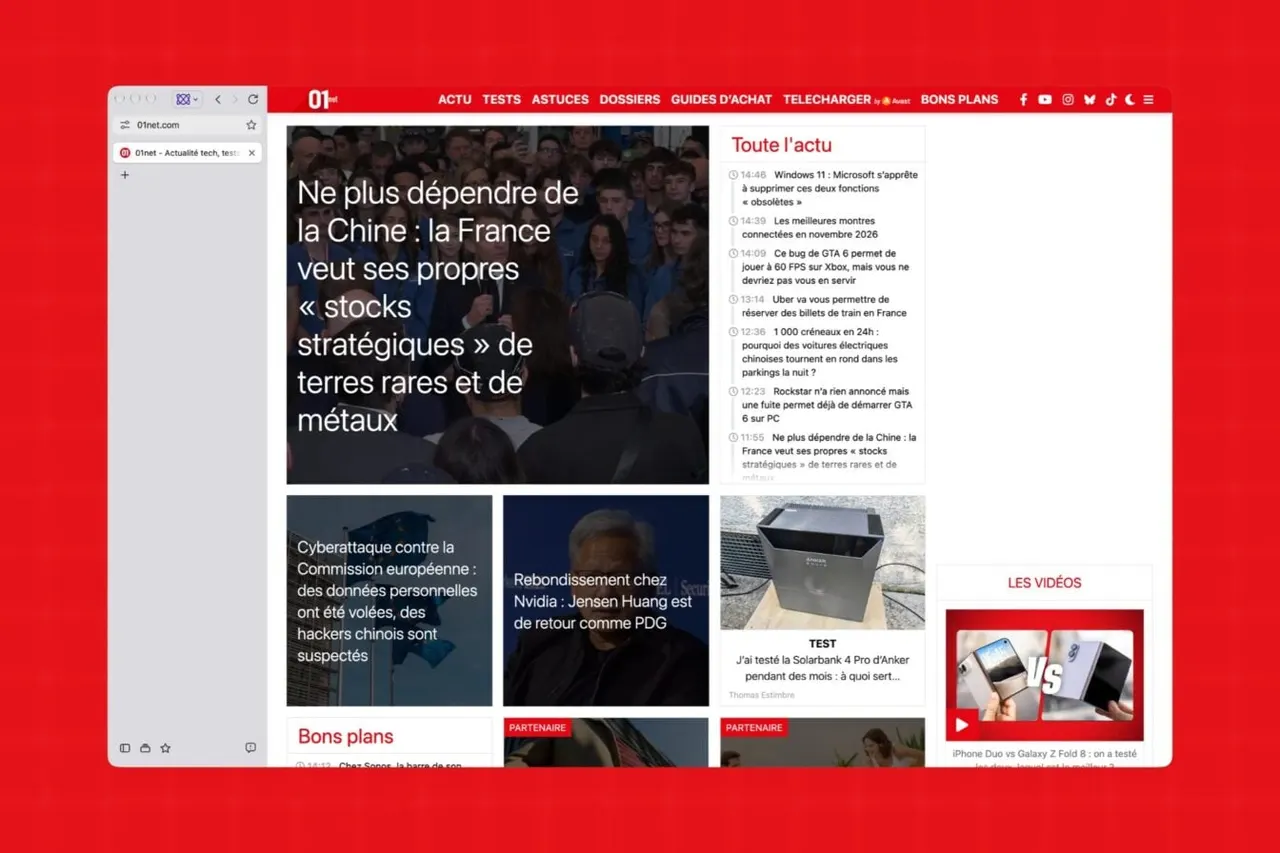
You can now download Ladybird, a web browser whose rendering engine was written from zero and shares no code with Chrome, Safari or Firefox. The first alpha landed on 23 November for macOS and Linux.
Until now, trying Ladybird meant compiling the source code yourself. The alpha comes as a disk image on macOS and as Flatpak, Ubuntu or Fedora packages on Linux, with a release channel that updates automatically. The warning is blunt: it is an alpha, some sites won't work and it will crash now and then. Windows users have to wait, because there is no native installer yet.
Why a new browser engine matters
The engine is the part that turns HTML, CSS and JavaScript into the page you see. Almost everything runs on one of three: Blink (Chrome, Edge, Opera), WebKit (Safari) and Gecko (Firefox). All three are open source, but Blink and WebKit belong to big advertising and hardware companies, and most of Mozilla's money comes from a search deal with Google. The last independent engine of note, Opera's Presto, died in 2013 when Opera moved to Chrome's base. Microsoft did the same with Edge in 2020.
Ladybird started in 2022 out of the SerenityOS experiment. Its founder, Andreas Kling, is a former WebKit developer who worked at Apple and Nokia. A non-profit he set up with GitHub co-founder Chris Wanstrath, who put in $1 million, funds it through donations and sponsors such as Shopify, Cloudflare and Proton VPN. No default search engine deal is planned.
How good is Ladybird so far?
It passed more than 2 million Web Platform Tests subtests in the spring. Its Speedometer 2 score went from about 47 to 64 in August alone. Since February the team has also been rewriting parts of the code in Rust, starting with the JavaScript engine, to cut the memory bugs that come with C++.
There are no security promises, and the project openly invites researchers to attack it. Web developers can test sites with WebDriver and Firefox's developer tools.
The roadmap points to a beta in 2027 and a stable release in 2028. For now it is a browser for the curious, but it is a real third way of drawing the web.
Apps worth a look
SUMO: the number puzzleTap the right tiles, add them up, hit the target. Easy to learn, hard to master. Free, for all ages.
Dialo: learn languages by speakingTalk to an AI conversation partner; every sentence comes back corrected and explained in your language. 9 languages, A1 to C2.
ediviewer: read EDI files like documentsOpen EDIFACT and X12 messages, see every segment explained, convert to JSON/XML, export PDF and Excel. Runs locally, no upload.
giftdetect: the right gift in minutesPick who it is for, the occasion and their personality. The search engine reads product descriptions from local shops and ranks what fits. Free, no sign-up.
More from this day
See all →
LG OLED edge rot: a brand-new replacement panel had dead pixels

Microsoft Outlook outage triggers a "code red" inside the company

Best Kobetsu data breach: grades and bank details of up to 50,000 exposed