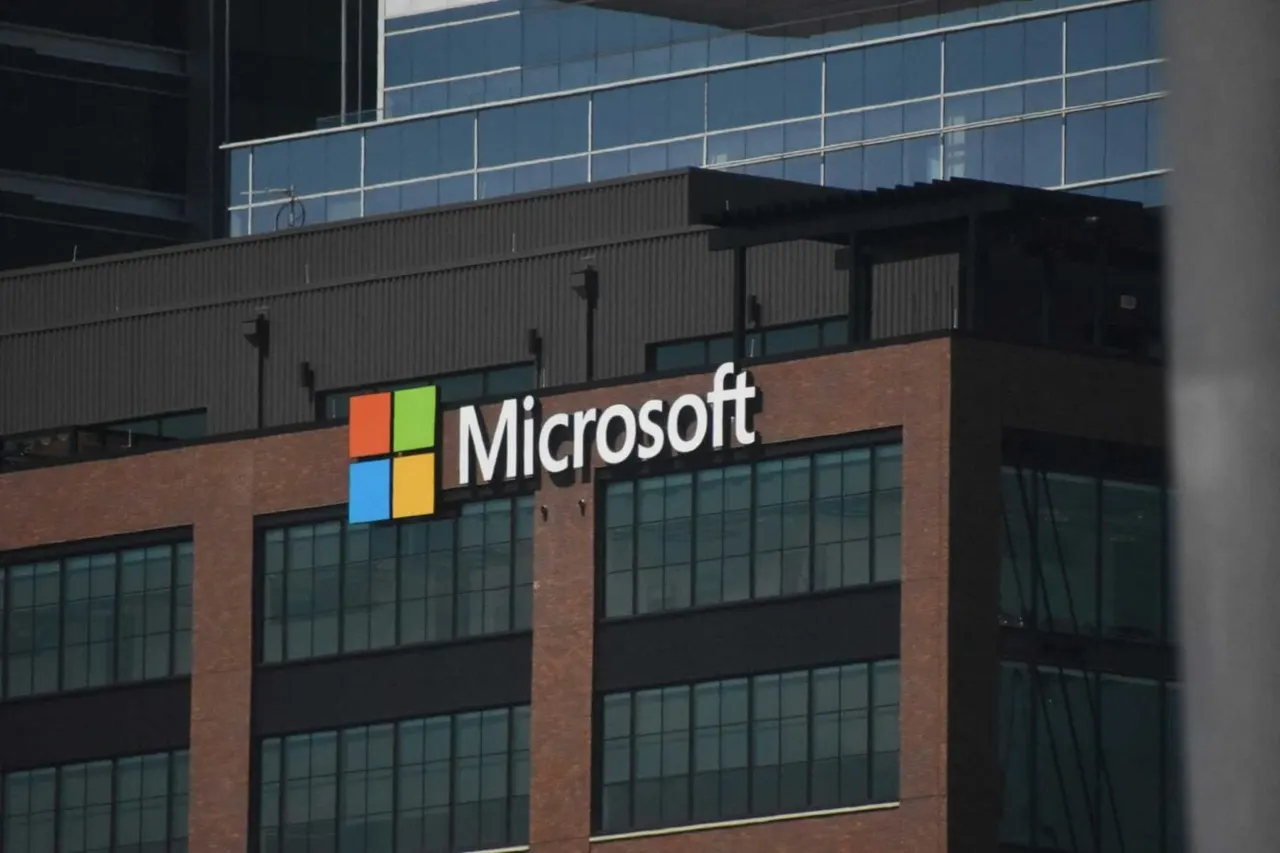
Microsoft Outlook outage triggers a "code red" inside the company
After the worst email outage in Exchange Online's history, Microsoft told engineers to drop everything else. The goal: fix any global outage in under an hour.
 SUMO· the number puzzle
 Dialo· learn languages by speaking
 ediviewer· read EDI files like documents
 giftdetect· the right gift in minutes
Microsoft has declared a "code red" after the Outlook outage that knocked out email for customers around the world. At Microsoft, that is the highest internal alert there is, and it means engineers set aside their other projects to work on one problem.
On 12 and 13 November, Outlook, Teams, Copilot and SharePoint were unreachable worldwide. Governments from Australia to Japan and the United States were hit, trading firms were delayed and airline communications were disrupted. In France, local authorities and a regional health agency had no email for a full day. Microsoft eventually blamed a faulty update rolled out in July.
"Code red means this is the highest priority work for our team," Jason Henderson, president of Microsoft 365 Core, wrote in an internal memo. He also called it the incident that affected the most customers in the history of Exchange Online, Microsoft's business email service, and the first time customers had been without email for so long.
Why did the Outlook outage last so long?
Amanda Silver, a Microsoft vice president, wrote that engineers worked in a "fog of war". They exchanged more than 11,000 messages across 11 separate Teams chats, and diagnostic data was scattered across several internal tools, so nobody had the full picture. Charles Lamanna, who runs Copilot, said the failing component had seen "about ten years of acceptable failures".
What is Microsoft changing?
The company has launched five major workstreams. They aim to absorb traffic spikes better, split traffic by region so a fault cannot spread worldwide, and speed up recovery. Microsoft wants to resolve any global outage in under an hour, and plans to use AI agents to help engineers assess system health faster.
It is not close yet. Henderson admitted that on another recent incident an urgent fix took five to six days to reach every region. "Needless to say, we are not there yet," he wrote.
Outside experts see risks. Waseem Ahmed of Secure.com warned that a system able to push a fix worldwide in an hour "can also spread a mistake in an hour". Darin Fredde of Ridge Security noted that a recovery plan fails if the tools needed for it depend on the service that is down.
Apps worth a look
SUMO: the number puzzleTap the right tiles, add them up, hit the target. Easy to learn, hard to master. Free, for all ages.
Dialo: learn languages by speakingTalk to an AI conversation partner; every sentence comes back corrected and explained in your language. 9 languages, A1 to C2.
ediviewer: read EDI files like documentsOpen EDIFACT and X12 messages, see every segment explained, convert to JSON/XML, export PDF and Excel. Runs locally, no upload.
giftdetect: the right gift in minutesPick who it is for, the occasion and their personality. The search engine reads product descriptions from local shops and ranks what fits. Free, no sign-up.
More from this day
See all →
Signal blocks Siri and Gemini from reading your private chats

TV ACR tracking: your smart TV may check what you watch twice a second

LG OLED edge rot: a brand-new replacement panel had dead pixels