Japan Data Centers Did Not Heat Up Surroundings, Study Finds
A 13-year satellite analysis of 12 Japanese data centers found lower daytime surface temperatures after construction, challenging the idea that they overheat nearby areas.
 SUMO· the number puzzle
 Dialo· learn languages by speaking
 ediviewer· read EDI files like documents
 giftdetect· the right gift in minutes
A new study of data centers in Japan challenges a common assumption: that the facilities, which run servers around the clock and release heat from their cooling systems, make surrounding neighborhoods noticeably hotter.
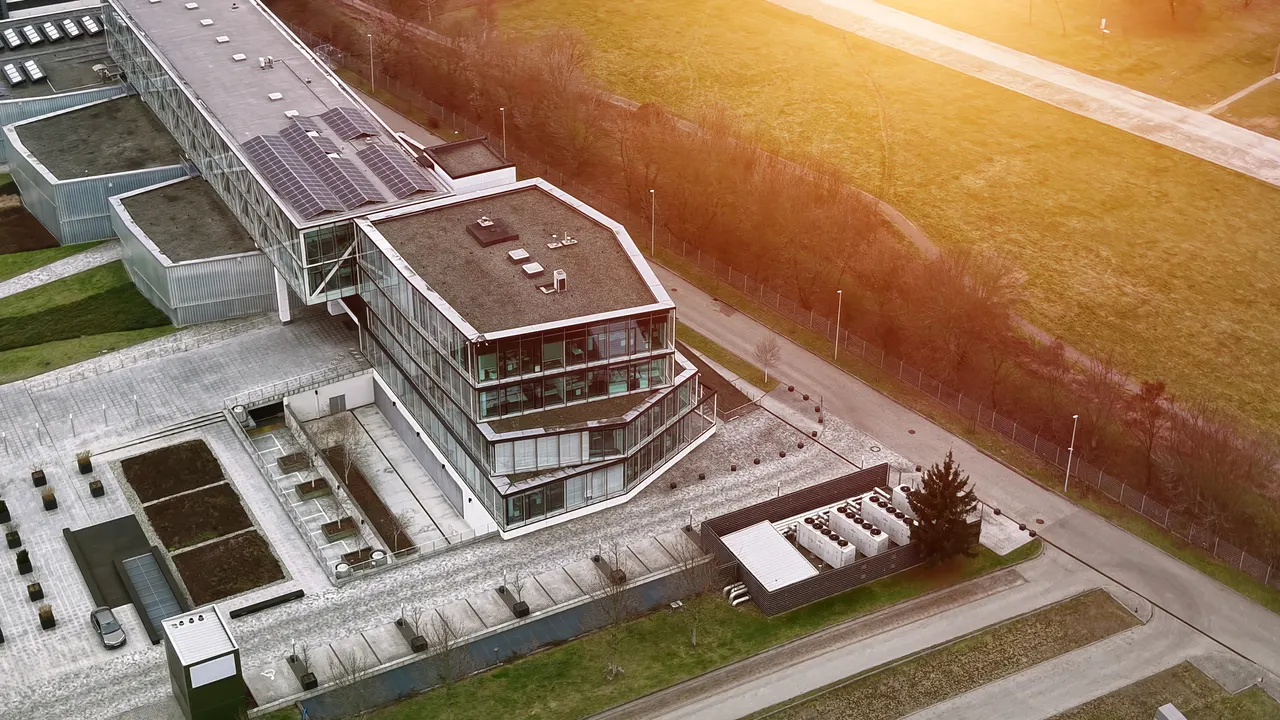
Published in the journal Environmental Research Letters, the research examined 12 data centers, including sites in Inzai in Chiba Prefecture and in the Tama area of Tokyo. It used satellite data from 2013 to 2026 to compare temperatures before construction and after the facilities began operating.
At the facilities at the center of the analysis, and after accounting for temperature changes in comparison areas, daytime surface temperatures were 1.8 to 2.2°C lower after operation began than before construction. The researchers attribute this to the buildings' roofs, which reflect more sunlight than the farmland and vacant lots they replaced, so the surface warms less.
Nights and earlier findings
The question is harder at night, when the sun no longer masks server heat. Even so, in areas a few kilometers across where several of the studied facilities cluster, the rise in nighttime surface temperature was reported to be small.
An earlier study had reported an average surface temperature increase of about 2°C within up to 10 km of data centers. The new work estimates that producing a rise of that size from server waste heat alone would require 6 to 43 times the heat the facilities can actually release. That makes it difficult to explain such a widespread increase through waste heat alone.
What the study does not show
The findings do not prove that data centers leave their surroundings unaffected. Satellites measure the temperature of surfaces such as ground and roofs, not the air temperature people feel. A separate study near Phoenix, Arizona, recorded air temperatures averaging roughly 0.7 to 0.9°C higher, and up to about 2.2°C higher, within a few hundred meters downwind of facilities compared with upwind.
Waste heat does not vanish, and residents living nearby are not necessarily unaffected. But as AI drives data center construction worldwide, the research suggests it is too simple to say that the heat they produce will markedly warm entire surrounding cities.
Apps worth a look
SUMO: the number puzzleTap the right tiles, add them up, hit the target. Easy to learn, hard to master. Free, for all ages.
Dialo: learn languages by speakingTalk to an AI conversation partner; every sentence comes back corrected and explained in your language. 9 languages, A1 to C2.
ediviewer: read EDI files like documentsOpen EDIFACT and X12 messages, see every segment explained, convert to JSON/XML, export PDF and Excel. Runs locally, no upload.
giftdetect: the right gift in minutesPick who it is for, the occasion and their personality. The search engine reads product descriptions from local shops and ranks what fits. Free, no sign-up.
More from this day
See all →



More in: Science
See all →
Study warns German data centers could double water demand by 2030

ExoMars Orbiter Finds Gas Leak Hinting Mars Volcanoes Still Active

IIT Guwahati uses drones and AI to model Indian traffic flow