ExoMars Orbiter Finds Gas Leak Hinting Mars Volcanoes Still Active
ESA's ExoMars Trace Gas Orbiter detected hydrogen chloride seeping from fissures at Alba Mons, suggesting Mars's volcanoes may be dormant rather than extinct.
 SUMO· the number puzzle
 Dialo· learn languages by speaking
 ediviewer· read EDI files like documents
 giftdetect· the right gift in minutes
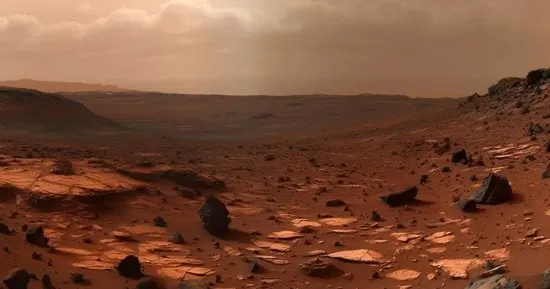
Mars may not be the geologically dead planet scientists long assumed. Observations from ESA's ExoMars Trace Gas Orbiter point to continuing volcanic activity, suggesting the planet's volcanoes are dormant rather than fully extinct.
The spacecraft detected hydrogen chloride gas escaping to the surface through volcanic fissures in the Alba Mons region. On Earth, the gas is typically associated with volcanic vents and is produced by hot magma beneath the surface.
An exception to the seasonal pattern
Researchers recorded unusual spikes in hydrogen chloride during the Martian summer in the northern hemisphere, a time when the gas is not expected to appear. Its concentration normally peaks in northern winter and disappears in summer, because it is tied to the planet's water and dust cycle. Near the fissures on the slopes of Alba Mons, the team saw an exception to that rule.
The orbiter then spotted recent, narrow fissures in the area, some of them hundreds of feet long, which strengthened the case for volcanic activity below the surface.
Daniel Mege, co-lead of the science team at the Space Research Centre of the Polish Academy of Sciences, said the findings indicate Mars kept enough internal heat to sustain volcanism until recently, and possibly still does.
Why it matters for the search for life
The researchers believe the gas is linked to a system of volcanic conduits connected to a dormant magma chamber under the surface. Areas around such fissures could be important places to look for microbial life. Volcanic gases were more abundant in the past and may have helped build a thicker atmosphere and a warmer climate, allowing liquid water across wide areas. Lava meeting groundwater could also have created warm environments suitable for microorganisms.
Mege said searching for microbial life in the gas-emitting fissures at Alba Mons would be a logical step, since active hydrothermal systems could supply the nutrients and energy microbes need, while also shielding them from harsh and changing surface conditions.
The results were published in the journal Science Advances and add to research reassessing the geological activity of the Red Planet and the possibility of habitable environments beneath its surface.
Apps worth a look
SUMO: the number puzzleTap the right tiles, add them up, hit the target. Easy to learn, hard to master. Free, for all ages.
Dialo: learn languages by speakingTalk to an AI conversation partner; every sentence comes back corrected and explained in your language. 9 languages, A1 to C2.
ediviewer: read EDI files like documentsOpen EDIFACT and X12 messages, see every segment explained, convert to JSON/XML, export PDF and Excel. Runs locally, no upload.
giftdetect: the right gift in minutesPick who it is for, the occasion and their personality. The search engine reads product descriptions from local shops and ranks what fits. Free, no sign-up.
More from this day
See all →
GOG GALAXY Is Coming Natively to Linux After 18 Years
Claude Code accused of leaking users' email addresses to websites

Alta Ares wins six NATO counter-drone lots in first big deal

NCBR Sets Aside PLN 25 Million for International AI R&D Projects
More in: Science
See all →
Study warns German data centers could double water demand by 2030

IIT Guwahati uses drones and AI to model Indian traffic flow
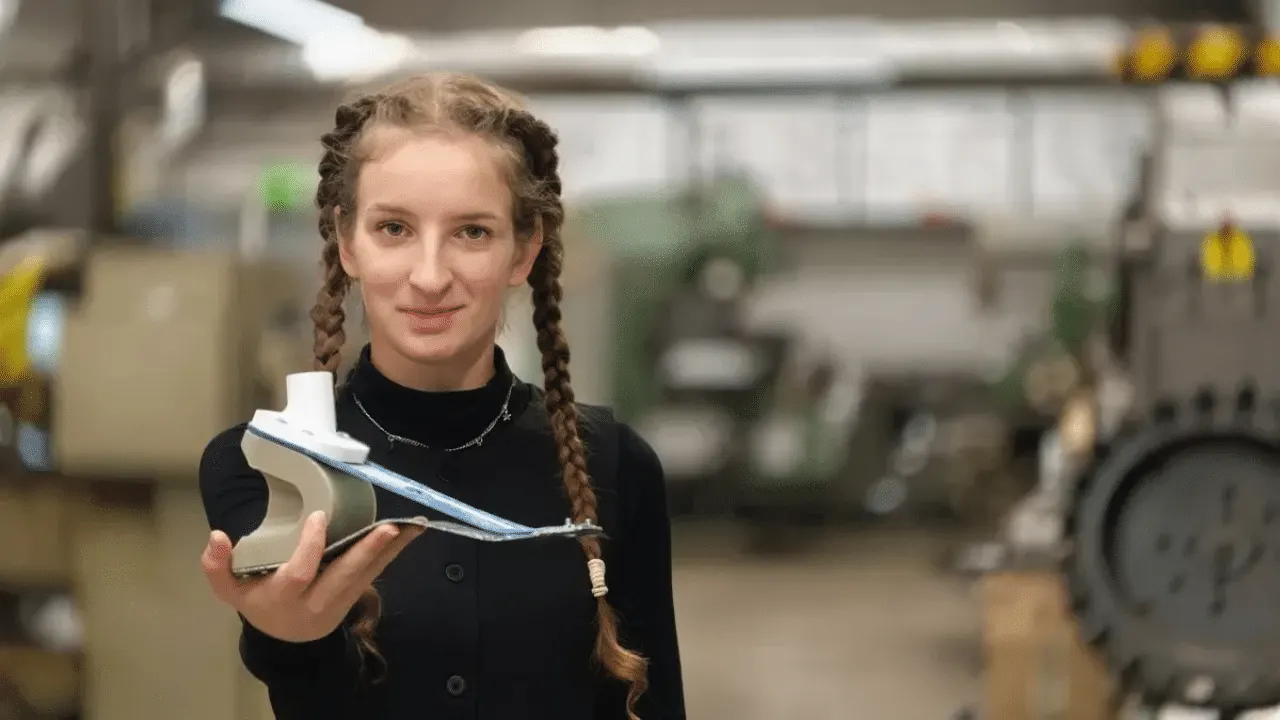
AGH Student Designs Prosthesis With Side-Tilting Ankle Joint