Iowa lead azide detonation: EPA finds zero airborne lead
The US Army blew up 4.4 tons of decaying lead azide in Iowa to stop it exploding on its own. An hour later, EPA air monitors found no airborne lead.
 SUMO· the number puzzle
 Dialo· learn languages by speaking
 ediviewer· read EDI files like documents
 giftdetect· the right gift in minutes
The US Army has deliberately blown up the last of its lead azide stockpile in Iowa, because the stuff was getting old enough to explode by itself. An hour later, the EPA said its air monitors across the region detected no airborne lead.
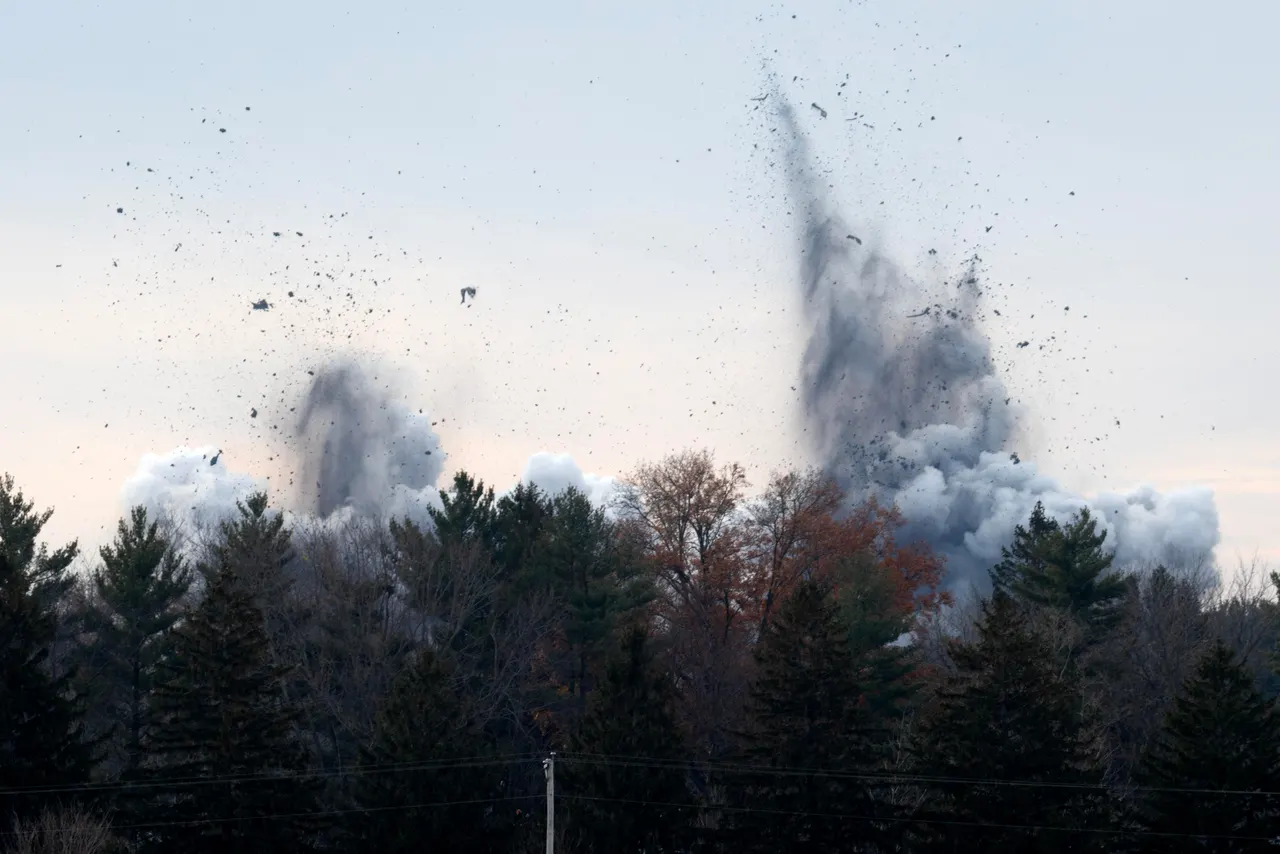
The controlled detonation took place on November 25th at the Iowa Army Ammunition Plant in Middletown. About 9,700 pounds (4.4 tons) of lead azide, stored in 68 barrels, went up in one go. Video showed smoke several hundred feet high drifting south before it thinned out. The Army says every barrel was destroyed, with no secondary explosions and no damage to the plant's infrastructure. Maj. Gen. Eric Shirley said the risk to people in Middletown and nearby communities had been cut "as close to zero as it's absolutely humanly possible."
Why did the Army detonate lead azide in Iowa?
Lead azide is a compound used in igniters and blasting caps. The Army has relied on it for nearly a century, but began moving away from it about 15 years ago because it is hard to transport and store. Over time it can degrade and crystallize, and eventually become unstable enough to detonate at ambient temperatures.
The barrels held the material as a liquid soaked into sawdust and burlap bags, with water and ethanol added to stop it freezing. Then, last March, an inspection by the ATF found "significant crystallization on the exterior of the barrels." That settled the decision.
What was done to protect residents?
FEMA supported a recommended but voluntary relocation of Middletown residents and people nearby, which began the day before. The evacuation zone was a cone stretching about five miles southwest of the plant, matching the path dust was expected to travel and settle. Displaced residents will be housed until Friday, November 27th, and can go home once the all-clear is given.
The Army also added barriers. Walls made of four 16,000-gallon water tanks were set up to catch lead particles, while the old earth-covered magazines holding the barrels were covered with tarps and lead containment screens, then flooded with foam.
The EPA had been monitoring the area beforehand. Its statement said real-time air monitors reported zero detection of airborne lead throughout the region an hour after the blast. The agency has published the data collected by its staff, contractors and equipment.
Apps worth a look
SUMO: the number puzzleTap the right tiles, add them up, hit the target. Easy to learn, hard to master. Free, for all ages.
Dialo: learn languages by speakingTalk to an AI conversation partner; every sentence comes back corrected and explained in your language. 9 languages, A1 to C2.
ediviewer: read EDI files like documentsOpen EDIFACT and X12 messages, see every segment explained, convert to JSON/XML, export PDF and Excel. Runs locally, no upload.
giftdetect: the right gift in minutesPick who it is for, the occasion and their personality. The search engine reads product descriptions from local shops and ranks what fits. Free, no sign-up.
More from this day
See all →
Satudora data leak: 229,026 LINE accounts exposed for 16 months

Miyabull Phone app listens to calls and flags scams live

WhatsApp sound stickers are rolling out: how to make one

Kagi Mail: the Google search rival now offers email, at $25
More in: Science
See all →
Why coffee makes you poop: 50 people swallowed a SmartPill

Superwood: the treated timber InventWood says beats steel

Flooded Los Santos: GTA V's city under rising seas by 2300