Superwood: the treated timber InventWood says beats steel
Ordinary wood, squeezed and chemically treated, becomes Superwood. Startup InventWood says it is 50% stronger than steel in tension and is already being made.
 SUMO· the number puzzle
 Dialo· learn languages by speaking
 ediviewer· read EDI files like documents
 giftdetect· the right gift in minutes
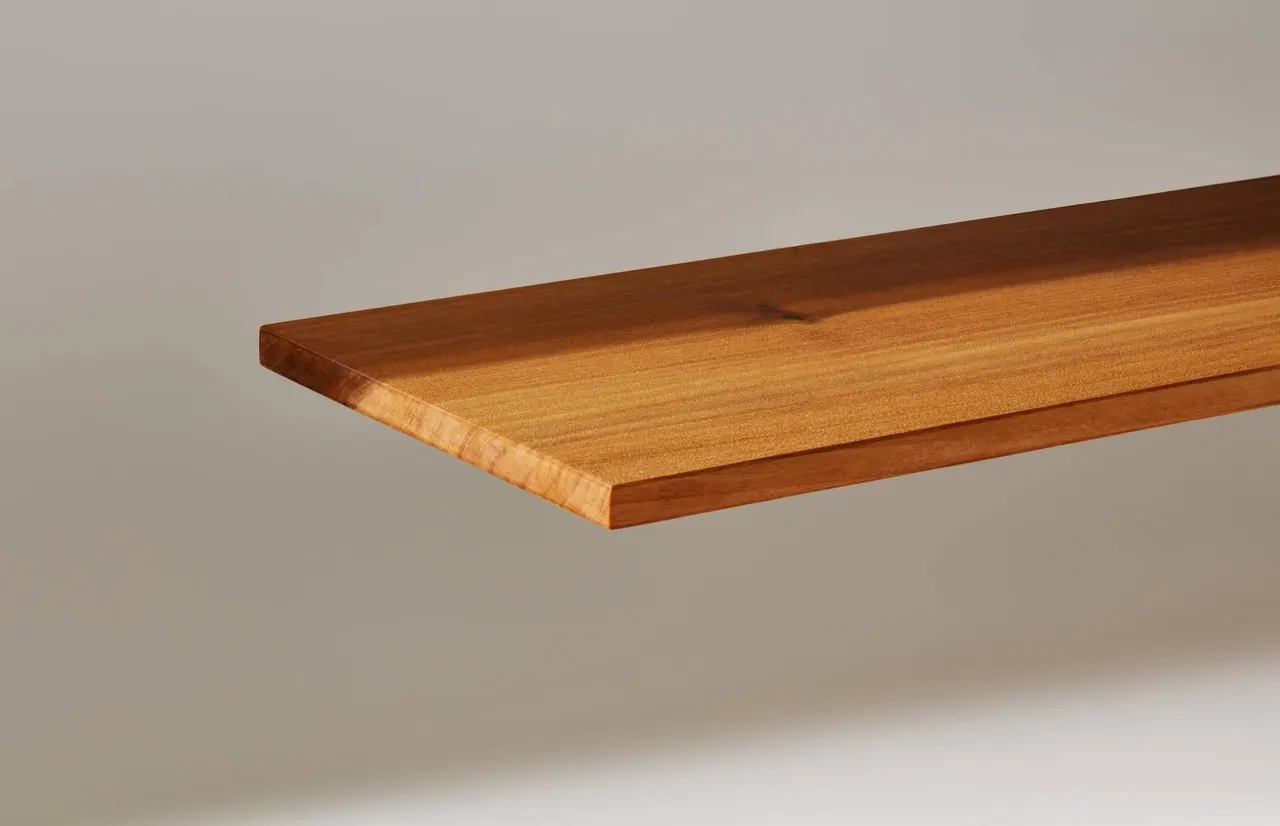
Take a plank of ordinary wood, treat it, squash it, and end up with something that InventWood says is stronger than steel. That is Superwood, and it is moving out of the lab.
The method comes from Liangbing Hu, a scientist at the University of Maryland, who worked it out in 2018. Back then it looked like a lab curiosity. Hu spent years refining it and cut a process that once took more than a week down to a few hours. He then handed the technology to the startup InventWood, which has been working on producing Superwood since 2025.
What is Superwood and how is it made?
The raw material is plain wood. Wood is mostly cellulose and lignin, and Superwood works by strengthening the cellulose. InventWood CEO Alex Lau says cellulose nanocrystals are stronger than carbon fibre.
First the wood's molecular structure is altered with chemical treatments of the kind that are safe enough for the food industry. Then it is compressed, which strengthens the hydrogen bonds between cellulose molecules. Compress it to a quarter of its thickness and you might expect four times the strength. The extra bonds that form push it closer to ten times.
How strong is it?
According to InventWood, Superwood has 50% higher tensile strength than steel, and a strength-to-weight ratio ten times better. The company also lists fire resistance, resistance to rot and pests, and suitability for outdoor use thanks to a polymer infusion. Compression deepens the colour too, so it can look like walnut or ipe without any dye.
Where will it be used?
For now, production is at a small plant and the focus is exterior cladding for commercial buildings and high-end homes. The longer-term goal is structural parts such as I-beams, which could be made from wood chips. The pitch is carbon: the company says 90% of a building's emissions come from the concrete and steel used to build it.
Apps worth a look
SUMO: the number puzzleTap the right tiles, add them up, hit the target. Easy to learn, hard to master. Free, for all ages.
Dialo: learn languages by speakingTalk to an AI conversation partner; every sentence comes back corrected and explained in your language. 9 languages, A1 to C2.
ediviewer: read EDI files like documentsOpen EDIFACT and X12 messages, see every segment explained, convert to JSON/XML, export PDF and Excel. Runs locally, no upload.
giftdetect: the right gift in minutesPick who it is for, the occasion and their personality. The search engine reads product descriptions from local shops and ranks what fits. Free, no sign-up.
More from this day
See all →
Rokkatei card data breach: why people praise its response

Rakuten Securities data breach: 4.41 million records leaked

Claude blocked in Russia: what to use instead and what to export

Umbera Tor calls: a developer checked what his phone leaks
More in: Science
See all →
Flooded Los Santos: GTA V's city under rising seas by 2300

Euclid finds the most distant quasar yet, 630 million years after the Big Bang

Cold showers after workouts: a big analysis asks if they help