India Notifies National Social Security Board for Gig Workers
India's Labour Ministry has notified a National Social Security Board for unorganised, gig and platform workers under the Code on Social Security, 2020.
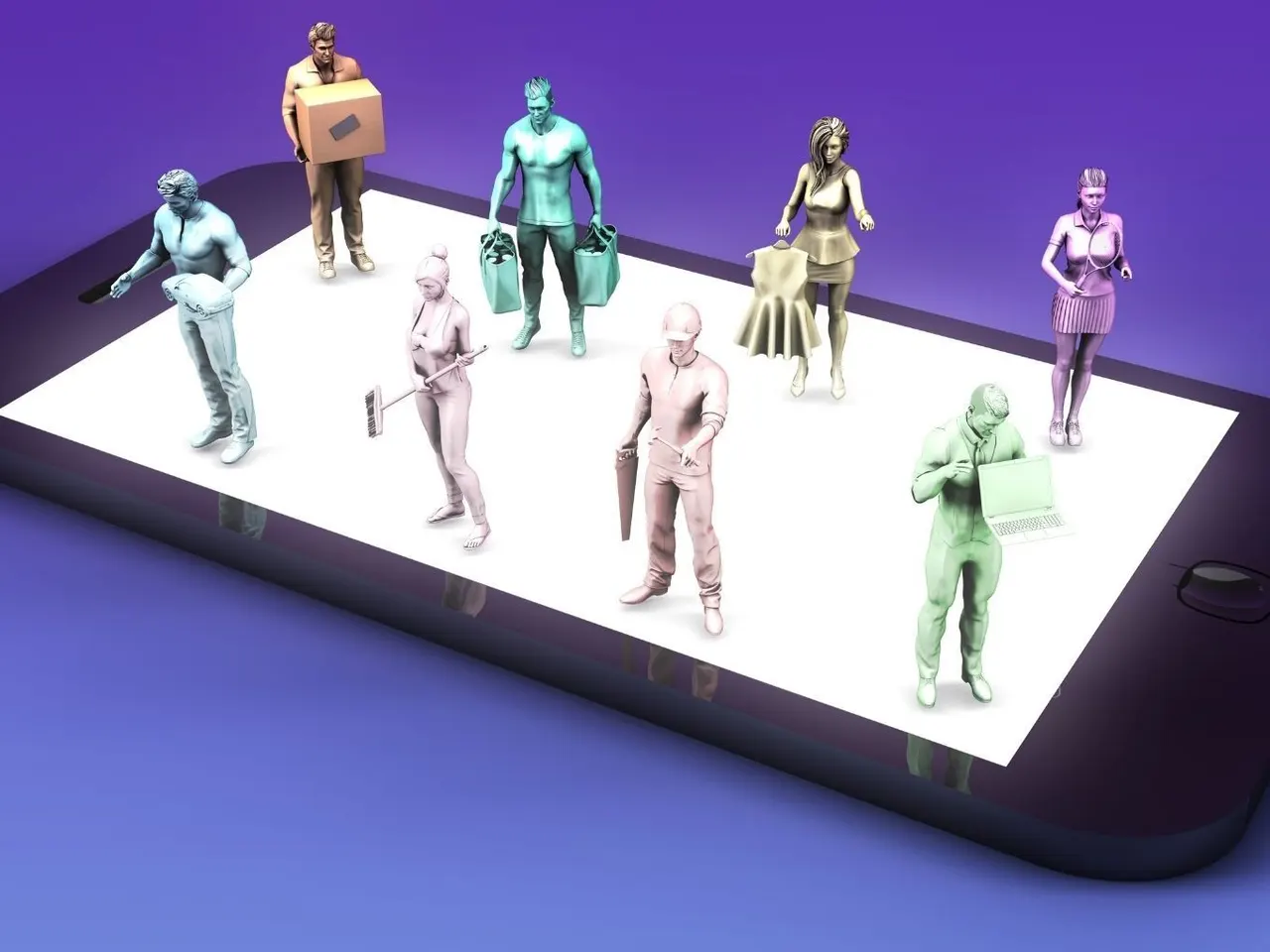
India's Labour Ministry has notified the constitution of the National Social Security Board for Unorganised Workers and Gig and Platform Workers, a step toward putting welfare coverage for the gig economy into practice.
The board is set up under the Code on Social Security, 2020. It will be chaired by the Union Minister for Labour & Employment and will include representatives of the Central and state governments, aggregator companies, employers, civil society organisations, workers' unions and gig and platform worker associations.
What the board will do
The board is tasked with recommending suitable schemes to the Centre for different groups of unorganised, gig and platform workers. It will also advise the government on matters arising from administering the Code, monitor welfare schemes run by the government, and review record keeping at state level as well as spending from the fund and account.
According to the ministry, the board must meet at least three times a year and follow rules of procedure prescribed by the Central Government.
Background and impact on platforms
The Code consolidates nine existing labour laws into one framework. It extends benefits such as provident fund, pension, health insurance, maternity benefits and gratuity to workers in organised and unorganised sectors. It formally recognises gig and platform workers as employees eligible for government-notified schemes, and it requires eligible aggregators to contribute 1-2% of annual turnover, subject to a cap. The Code came into force on November 21, 2025.
Possible schemes cover life and disability insurance, accident insurance, health and maternity benefits, and old-age protection.
For companies, the framework could mean added financial and administrative obligations. That affects food delivery, quick commerce, ride-hailing and ecommerce players such as Swiggy, Zomato, Blinkit, Zepto, Ola, Uber, Amazon and Flipkart.
States are also acting on their own. Karnataka, for instance, has constituted a separate Gig Workers' Welfare Board to oversee social security measures for workers in the state.
More from this day
See all →
South Korea Fines Google and Apple Over $47 Million Over App Stores

ESA's Hera Probe Splits Didymos and Dimorphos in First Image

Orlen: Aphrodite Gas Field in North Sea Holds Twice More Than Thought