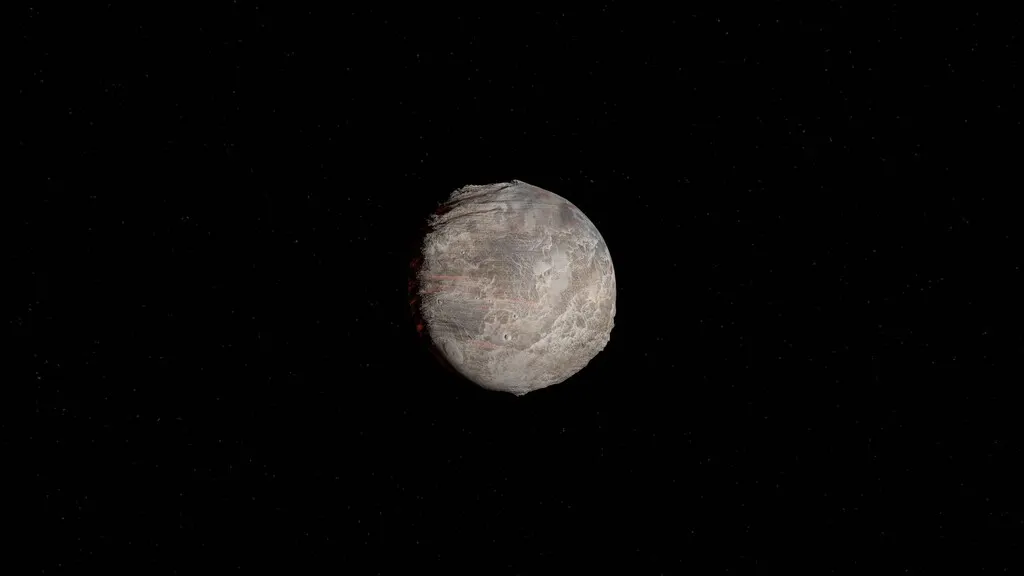
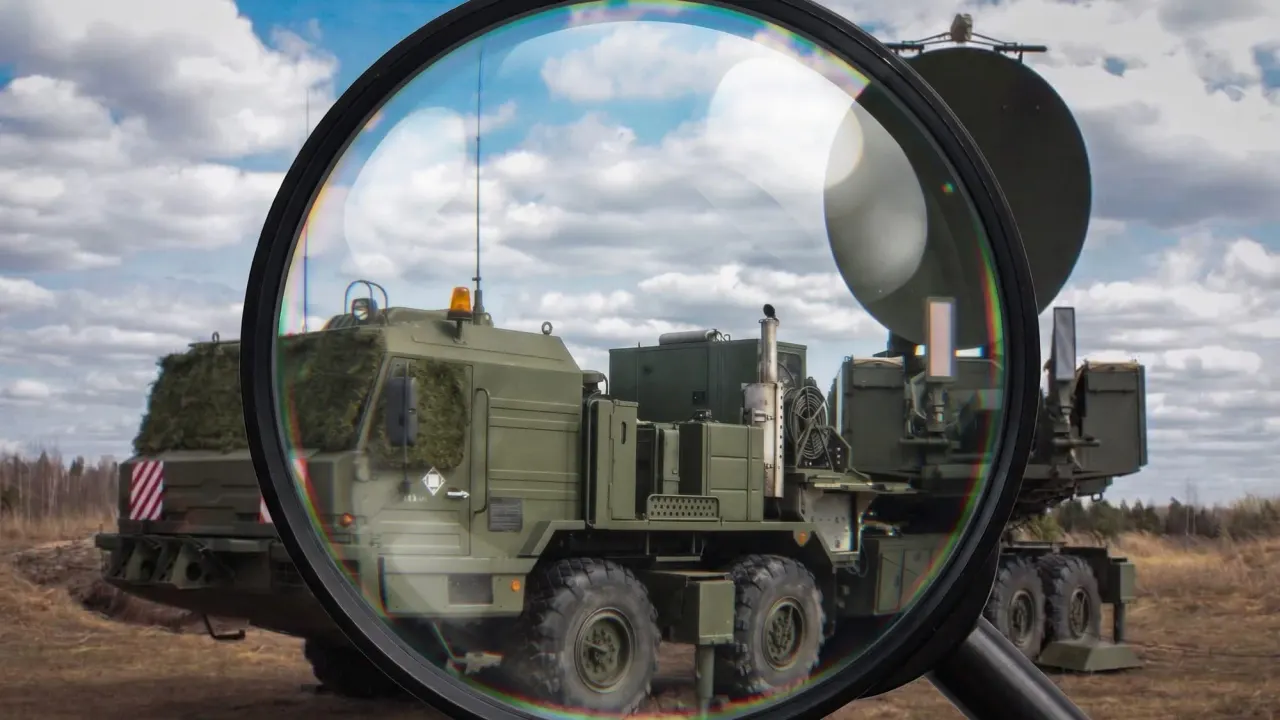
ICEYE satellite spots Krasukha-2 jammer in Kaliningrad at night
ICEYE's radar satellites photographed a Russian Krasukha-2 jammer in Kaliningrad on an October night, its antenna raised toward the Baltic Sea.
 SUMO· the number puzzle
 Dialo· learn languages by speaking
 ediviewer· read EDI files like documents
 giftdetect· the right gift in minutes
Darkness and thick cloud are supposed to help hide military kit from satellites. Not when the satellite uses radar. ICEYE, the Polish-Finnish company, has published a radar image of a Russian Krasukha-2 jammer in Kaliningrad, taken at night, with its antenna raised toward the Baltic.
According to ICEYE's post on X, the image was captured on an October night. The jammer sits on a truck, and its boom antenna points out over the sea. The company says Kaliningrad has become one of the most active sources of electronic interference in Europe, and that jamming from the Russian exclave degrades GPS and communications over the Baltic.
How can a satellite see a jammer at night?
ICEYE's satellites carry SAR, or synthetic aperture radar. It doesn't need daylight and looks through clouds. The company says its newest Gen4 satellites reach a resolution of 16 cm per pixel, enough to tell buildings, trenches, tanks, aircraft and vehicles apart.
A single picture shows where the jammer is. Continuous monitoring adds more. ICEYE says a raised antenna is a strong sign that the system is active, and tracking it over time shows when systems start working and how that matches reported interference.
What is the Krasukha-2?
The Krasukha-2 (military designation 1L269) is a Russian mobile electronic warfare system of medium and long range. It has served in the Russian army since 2014. It is designed to blind enemy radars and AWACS airborne early warning aircraft by generating strong interference and false targets. According to the article's source material, Russia also uses it to disrupt radars and communications of passenger aircraft.
ICEYE was founded in Finland in 2014 by Rafał Modrzewski and Pekka Laurila. It has launched more than 70 satellites since 2018, and they form a constellation that can revisit chosen areas regularly.
Apps worth a look
SUMO: the number puzzleTap the right tiles, add them up, hit the target. Easy to learn, hard to master. Free, for all ages.
Dialo: learn languages by speakingTalk to an AI conversation partner; every sentence comes back corrected and explained in your language. 9 languages, A1 to C2.
ediviewer: read EDI files like documentsOpen EDIFACT and X12 messages, see every segment explained, convert to JSON/XML, export PDF and Excel. Runs locally, no upload.
giftdetect: the right gift in minutesPick who it is for, the occasion and their personality. The search engine reads product descriptions from local shops and ranks what fits. Free, no sign-up.
More from this day
See all →
Who is Colette Kress, NVIDIA's interim CEO after Jensen Huang?
Figure 03 robots outnumber staff in Figure AI's new videos

Google Pixel Tag launches in only 8 countries, none in the EU
Is someone on your Wi-Fi? How to see devices connected to your router
More in: Space
See all →
Nuclear bomb in space could knock out Starlink in 15 days
Nāpōwawāʻenakaulua: Webb Finds Earliest Quasar Pair Ever
Did comets bring life's building blocks to Earth? Probably not