Hyundai Motor Group Suspends External AI Tools in Core R&D
Hyundai Motor Group has halted external generative AI use in R&D units handling national core technologies, including autonomous driving and robotics, to prevent leaks.
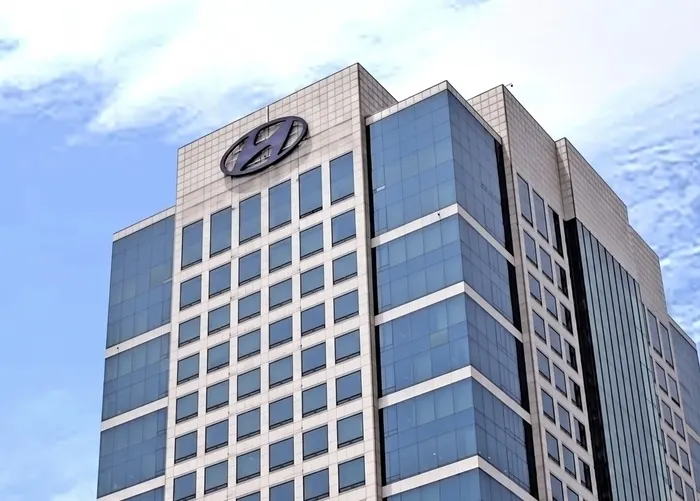
Hyundai Motor Group has temporarily suspended the use of external generative AI services in key research and development units, including autonomous driving and robotics. The move is meant to block possible leaks of core technology, according to industry sources cited on November 3.
Since late October, access has been restricted in R&D organizations that handle national core technologies. The affected teams reportedly include autonomous driving, robotics and future technology development. Staff there can no longer easily use external models such as OpenAI's ChatGPT, Anthropic's Claude, Alibaba's Qwen and DeepSeek. Some models, such as Google's Gemma, remain permitted as an exception, because they can be installed and run on in-house servers, which lowers the risk of sensitive data leaving the company.
Why the restriction
The concern is that developers may enter source code, design drawings or test results into outside AI services, where the data could be processed or stored depending on the provider's practices. Autonomous driving algorithms, robot control and hydrogen technologies are central to the group's future competitiveness, and a leak could also affect national industrial security.
A company representative described the step as temporary, saying it allows the group to review how AI is used in these organizations, assess security and strengthen related systems. No date has been set for resuming external services. The group is also weighing development of its own large language model as a mid- to long-term task, and it has begun broader security checks, including forced password changes on web services for some employees.
The productivity trade-off
The restriction could weigh on R&D output. Hyundai has pushed an company-wide AI transformation and expanded its in-house generative AI platform, H Chat. At a technology conference in October it said more than 70% of employees use it in daily work. In autonomous driving and robotics, generative AI supports coding, error analysis, algorithm review and technical documentation.
Competition adds pressure. A Capgemini report published in October last year found that carmakers with strong AI results shortened product development cycles by 17% on average and raised engineering productivity by 19%.
A likely alternative is a private AI environment that combines in-house models, access controls and data-loss prevention: data containing core technology would be blocked from leaving, while vetted AI services could be used for general development work.
Apps worth a look
 SUMO: the number puzzle
Tap the right tiles, add them up, hit the target. Easy to learn, hard to master. Free, for all ages.
 Dialo: learn languages by speaking
Talk to an AI conversation partner; every sentence comes back corrected and explained in your language. 9 languages, A1 to C2.
 ediviewer: read EDI files like documents
Open EDIFACT and X12 messages, see every segment explained, convert to JSON/XML, export PDF and Excel. Runs locally, no upload.
More from this day
See all →
Sachin Tendulkar Backs Hitwicket Maker Metasports Interactive
GIVA Raises Over $100 Million in Round Led by Multiples PE
India Becomes ChatGPT's Largest Market by Weekly Active Users

VARA Licence Required for Most Dubai Real-World Asset Tokens
More in: Automotive
See all →
BMW to Launch City Driving Assistance in 2027, Starting in Germany
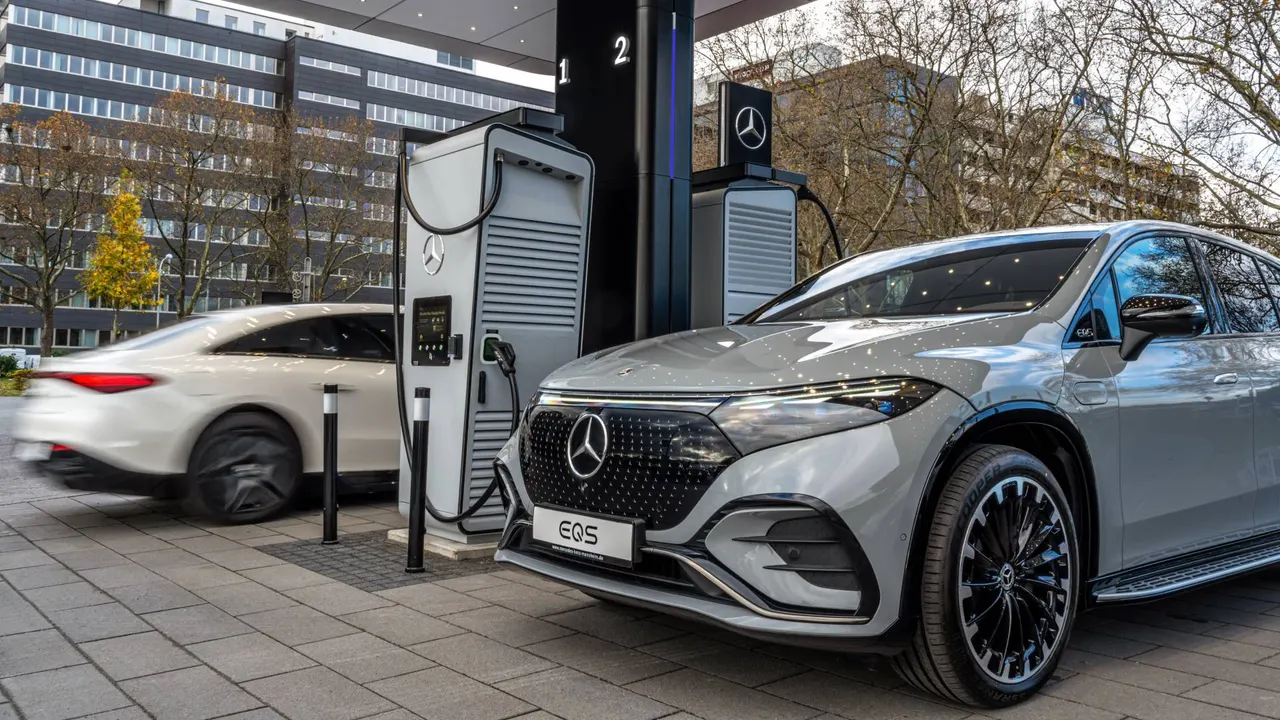
Mercedes-Benz Sells Its European Charging Network to Electra

Electra Absorbs Mercedes Fast-Charging Hubs, Opens Network to MB.Charge