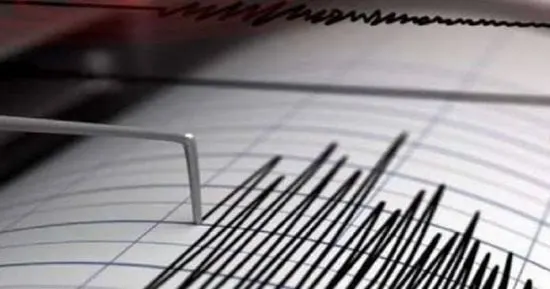
Gravity messaging: physicists send the word "Gravity" through a wall
Researchers in Brisbane sent a text message using only gravity, with a 1950s elevator as the transmitter. One word took 63 minutes to arrive.
 SUMO· the number puzzle
 Dialo· learn languages by speaking
 ediviewer· read EDI files like documents
 giftdetect· the right gift in minutes
Physicists in Australia have sent a text message through a wall using nothing but gravity. The transmitter was an old elevator, and the message was a single word: "Gravity". It took 63 minutes.
Five researchers at the University of Queensland in Brisbane describe the experiment in Science Advances. They say it is the first digital message sent purely through changes in gravitational pull. The signal passed through a 27-centimetre-thick wall.
How does gravity messaging work?
The sender was a 1950s elevator whose cast-iron counterweight, about 1.8 tonnes, moved between two floors. In the washroom next door sat a gravimeter, a sensitive instrument that detects tiny changes in local gravity. Inside it, a small test mass hangs on a spring and gets pulled slightly harder or softer depending on where the counterweight is.
The counterweight at its lower position, about 70 centimetres from the sensor, meant a zero. The upper position meant a one. Each letter needed seven bits, and with short start and end sequences the word came to 63 bits. Each bit took 25 seconds of elevator travel over 5.4 metres, ten seconds of waiting and 25 seconds of measuring.
The difference between the two positions was tiny: 50 nanometres per second squared, about five billionths of normal gravity. The team filtered out the slow stretching of the spring and the tidal pull of the Moon and Sun. Control tests ruled out magnetic fields, and the calculated error rate was one error per billion bits, comparable to fibre-optic cables.
Why bother? Metal cages, soil and thick masonry block radio waves, light and sound. As co-author Charles Woffinden puts it, a gravitational signal cannot simply be shielded by putting ordinary material in its way. The idea grew out of a project to weigh trucks from a distance by their gravity alone.
Is it practical?
Not really. A faster elevator and newer sensors could reach roughly 15 bits per minute. Voyager 1, over ten billion kilometres away, still receives commands at 960 bits per minute, more than sixty times faster.
Range is the bigger problem. At double the distance the usable signal drops to an eighth. Bridging 500 metres would need a compact 75-tonne mass, about the weight of a battle tank. Ground vibrations or passing vehicles can drown the signal, and an attacker could jam it by moving heavy masses nearby.
So bunkers and shielded rooms remain a narrow use case. The sensors themselves are more useful for earthquake early warning, locating underwater objects and weighing heavy vehicles.
Apps worth a look
SUMO: the number puzzleTap the right tiles, add them up, hit the target. Easy to learn, hard to master. Free, for all ages.
Dialo: learn languages by speakingTalk to an AI conversation partner; every sentence comes back corrected and explained in your language. 9 languages, A1 to C2.
ediviewer: read EDI files like documentsOpen EDIFACT and X12 messages, see every segment explained, convert to JSON/XML, export PDF and Excel. Runs locally, no upload.
giftdetect: the right gift in minutesPick who it is for, the occasion and their personality. The search engine reads product descriptions from local shops and ranks what fits. Free, no sign-up.
More from this day
See all →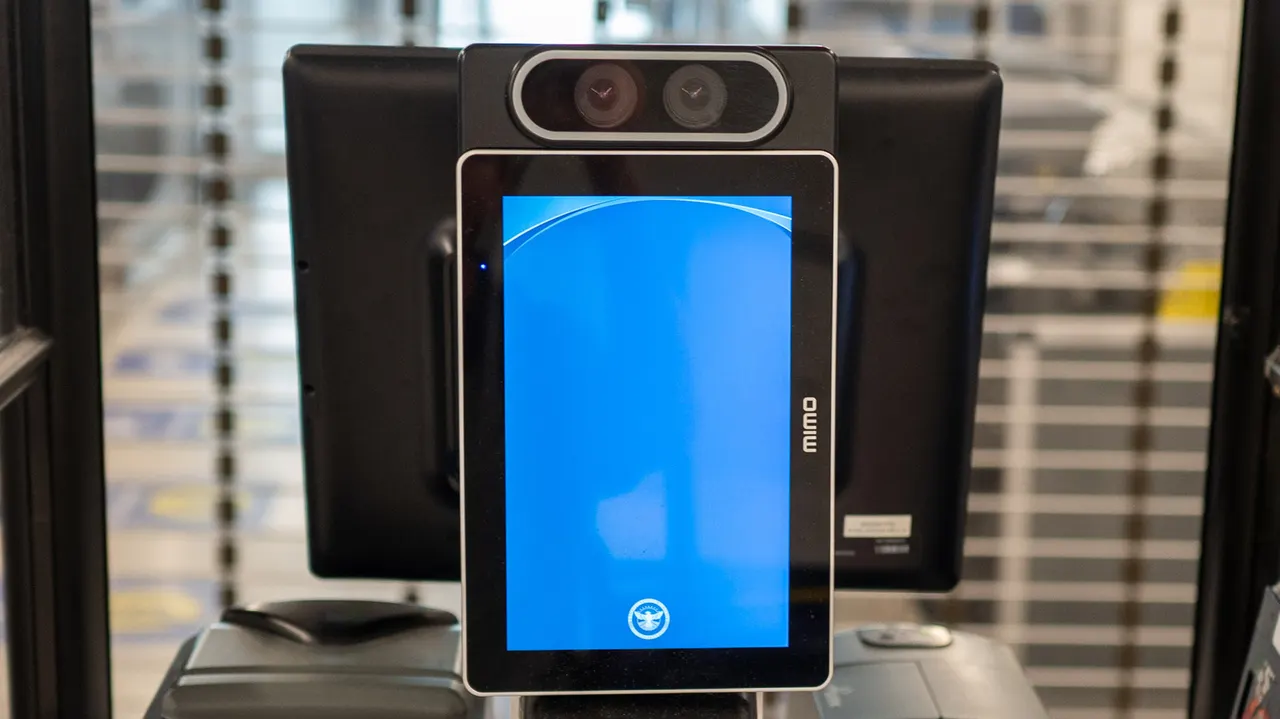
TSA face scan opt out: you can say no at airport security

FF72: French firm turns used ATR 72 airliners into water bombers
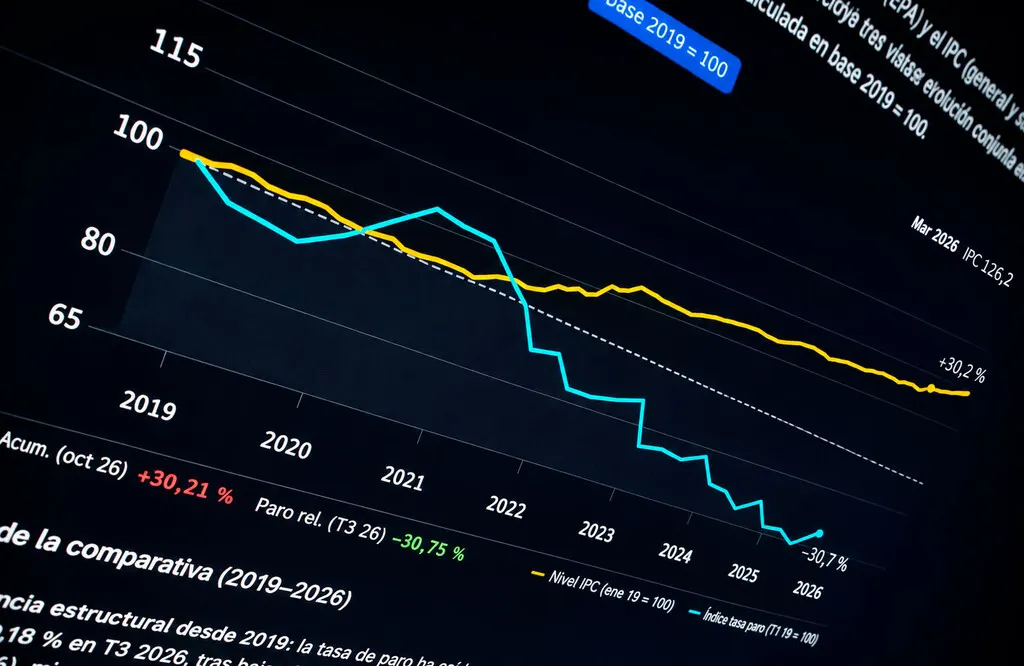
INE MCP server lets AI agents query Spain's official statistics