Internet cable earthquake detection: 30 km of fibre, 67 quakes
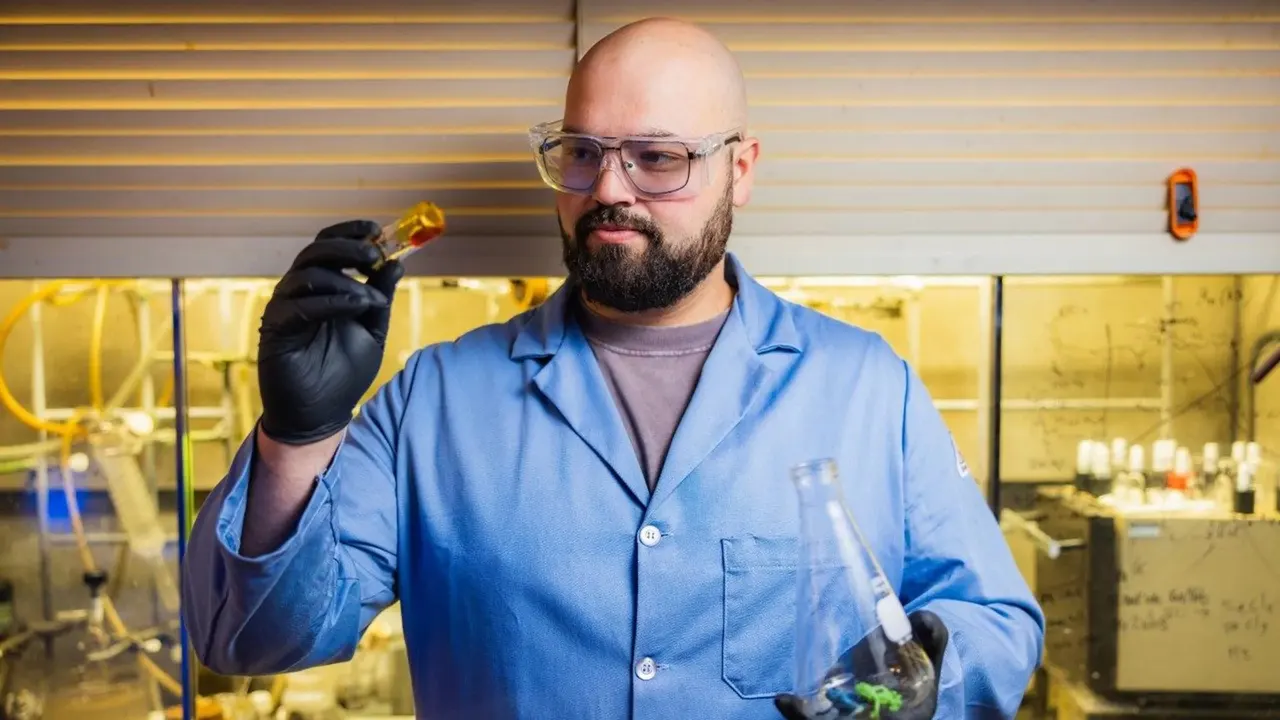
Researchers turned an unused strand in a 30 km internet cable in New Zealand into thousands of virtual seismometers and caught 67 local earthquakes.
 SUMO· the number puzzle
 Dialo· learn languages by speaking
 ediviewer· read EDI files like documents
 giftdetect· the right gift in minutes
Internet cables buried underground can double as earthquake detectors. A team led by Nanyang Technological University in Singapore has just shown it, using a dormant strand of glass fibre in New Zealand.
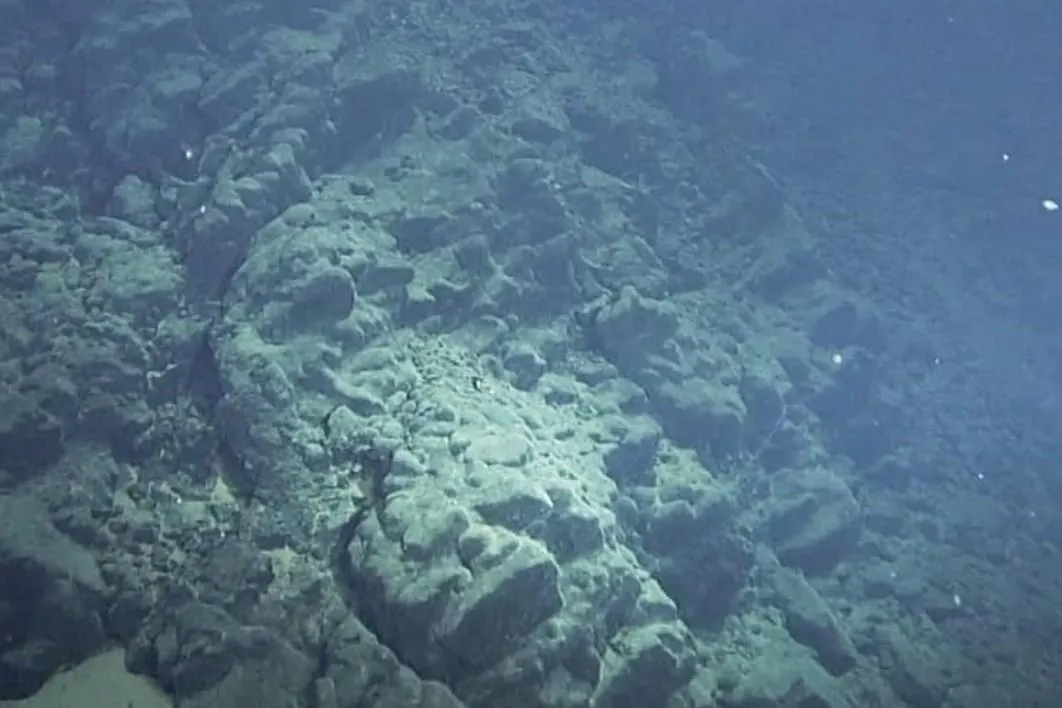
The cable runs 30 kilometres. The researchers took one unused fibre inside it and turned it into thousands of virtual sensors, spaced only 4 metres apart. They pointed it at the Alpine Fault on New Zealand's South Island, one of the active faults considered most dangerous. Earlier studies put the chance of a magnitude 7 or larger quake there at about 75% over the next 50 years.
The experiment ran for 140 days in 2023. In that time the cable recorded 67 local earthquakes. It also helped the team pick out zones inside the fault, some only about 10 metres wide, which traditional seismic networks struggle to see.
How do internet cables detect earthquakes?
The method is called distributed acoustic sensing, or DAS. A laser sends pulses down the fibre, and instruments analyse how the reflected light changes. When seismic waves pass through the rock, the fibre stretches and squeezes very slightly, and that shows up in the light. From it, researchers can work out what kind of activity happened and where.
Could internet cables become an earthquake warning network?
The appeal is that the infrastructure already exists. Instead of paying for new sensors on the seabed or in remote areas, scientists can reuse telecom lines. It is not limited to idle fibre either. Earlier tests with Google showed that undersea fibre cables already carrying internet traffic can be used too, by analysing changes in their signals.
The researchers say this could lead to wide monitoring networks and better data on faults and at-risk areas, which would help authorities plan for disasters.
One limit stays in place. The technology does not let anyone predict exactly when an earthquake will strike. What it offers is a sharper view of how the ground moves and of the changes that come before or alongside seismic activity.
Apps worth a look
SUMO: the number puzzleTap the right tiles, add them up, hit the target. Easy to learn, hard to master. Free, for all ages.
Dialo: learn languages by speakingTalk to an AI conversation partner; every sentence comes back corrected and explained in your language. 9 languages, A1 to C2.
ediviewer: read EDI files like documentsOpen EDIFACT and X12 messages, see every segment explained, convert to JSON/XML, export PDF and Excel. Runs locally, no upload.
giftdetect: the right gift in minutesPick who it is for, the occasion and their personality. The search engine reads product descriptions from local shops and ranks what fits. Free, no sign-up.
More from this day
See all →
The graph sandwich conjecture, solved after 20 years of tries

GTA VI Snapmatic: the fake Instagram that unlocks quests
AO3 outage: how fanfic readers coped with 17 days offline