TSA face scan opt out: you can say no at airport security
The camera at the TSA checkpoint isn't mandatory. You can refuse the facial scan, show your ID and boarding pass, and carry on. Here's what that looks like.
 SUMO· the number puzzle
 Dialo· learn languages by speaking
 ediviewer· read EDI files like documents
 giftdetect· the right gift in minutes
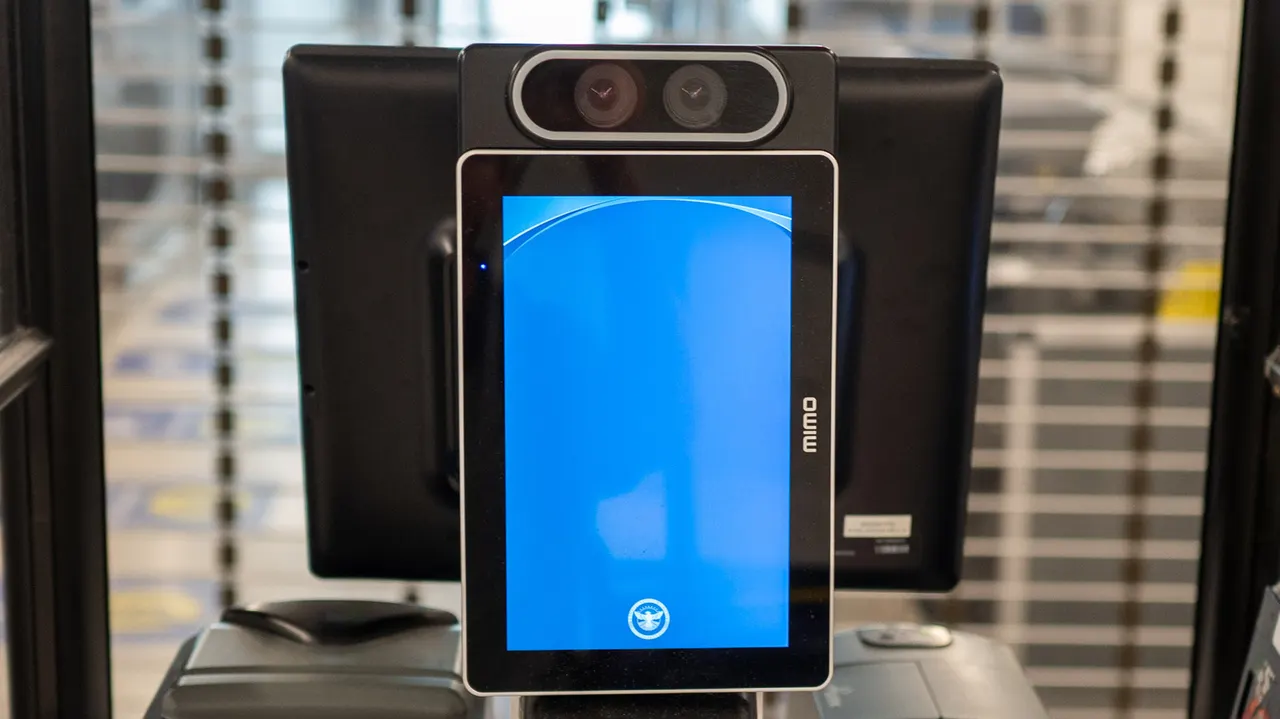
You can opt out of the TSA face scan. Most travelers never find that out, because the officer behind the camera will just say "Stand right there to have your photo taken" and leave it at that.
The signs that are supposed to tell you are often printed small, tucked somewhere you won't look, or missing altogether. To decline, say: "I'd like to opt out of the facial scan." The officer will still check your ID and boarding pass, and you will almost certainly walk on through.
Why opt out of the TSA facial scan?
An overhead security camera is one thing. The TSA scan is a head-on image that maps your facial geometry, and in a world where phones unlock with your face, that is private data. The TSA says it deletes the photos immediately, but admits it may keep some longer for testing and evaluation.
Then there are errors. A National Institute of Standards and Technology study found recognition technology makes far more mistakes with women, Black people, East Asian people and other nonwhite or nonmale groups. The ACLU once tested an Amazon algorithm that falsely matched 28 members of Congress with criminal mugshots. If the system decides your face doesn't match your ID, that is more likely to slow you down than declining ever would.
The current setup is also a pilot program, so it may not stay a single ID check. ICE, which like the TSA sits under the Department of Homeland Security, already uses a facial recognition app that identifies people from a phone photo, and not always accurately.
Will TSA officers retaliate if you opt out?
This is the real worry. A 2025 report from the Algorithmic Justice League found that 99 percent of the travelers it interviewed were not told they could opt out. Another 67 percent said opting out led to "negative treatment" by officers, including "verbal abuse, public shaming, and perceived additional scrutiny."
The author, a US-born man who describes himself as white-passing, says he has opted out on every flight since the scans began and never had a problem. His conclusion: unless you see clear signs that refusing could lead to mistreatment, opting out is likely the best option.
Apps worth a look
SUMO: the number puzzleTap the right tiles, add them up, hit the target. Easy to learn, hard to master. Free, for all ages.
Dialo: learn languages by speakingTalk to an AI conversation partner; every sentence comes back corrected and explained in your language. 9 languages, A1 to C2.
ediviewer: read EDI files like documentsOpen EDIFACT and X12 messages, see every segment explained, convert to JSON/XML, export PDF and Excel. Runs locally, no upload.
giftdetect: the right gift in minutesPick who it is for, the occasion and their personality. The search engine reads product descriptions from local shops and ranks what fits. Free, no sign-up.
More from this day
See all →
Galaxy S25 import ban risk: Samsung loses Maxell camera patent case

BBC licence fee for Netflix and Prime Video users planned

FF72: French firm turns used ATR 72 airliners into water bombers
INE MCP server lets AI agents query Spain's official statistics
More in: Security
See all →
RuneScape breach: change your password after Jagex hack
Fake Claude Code skills on GitHub install MopsStealer on Windows
Firefox security fixes now take 27% of developer effort, AI-driven