Google Project Suncatcher will launch AI chips on New Glenn
Google has booked Blue Origin's New Glenn rocket to put satellites packed with its TPU AI chips into orbit in early 2029, to test data centers in space.
 SUMO· the number puzzle
 Dialo· learn languages by speaking
 ediviewer· read EDI files like documents
 giftdetect· the right gift in minutes
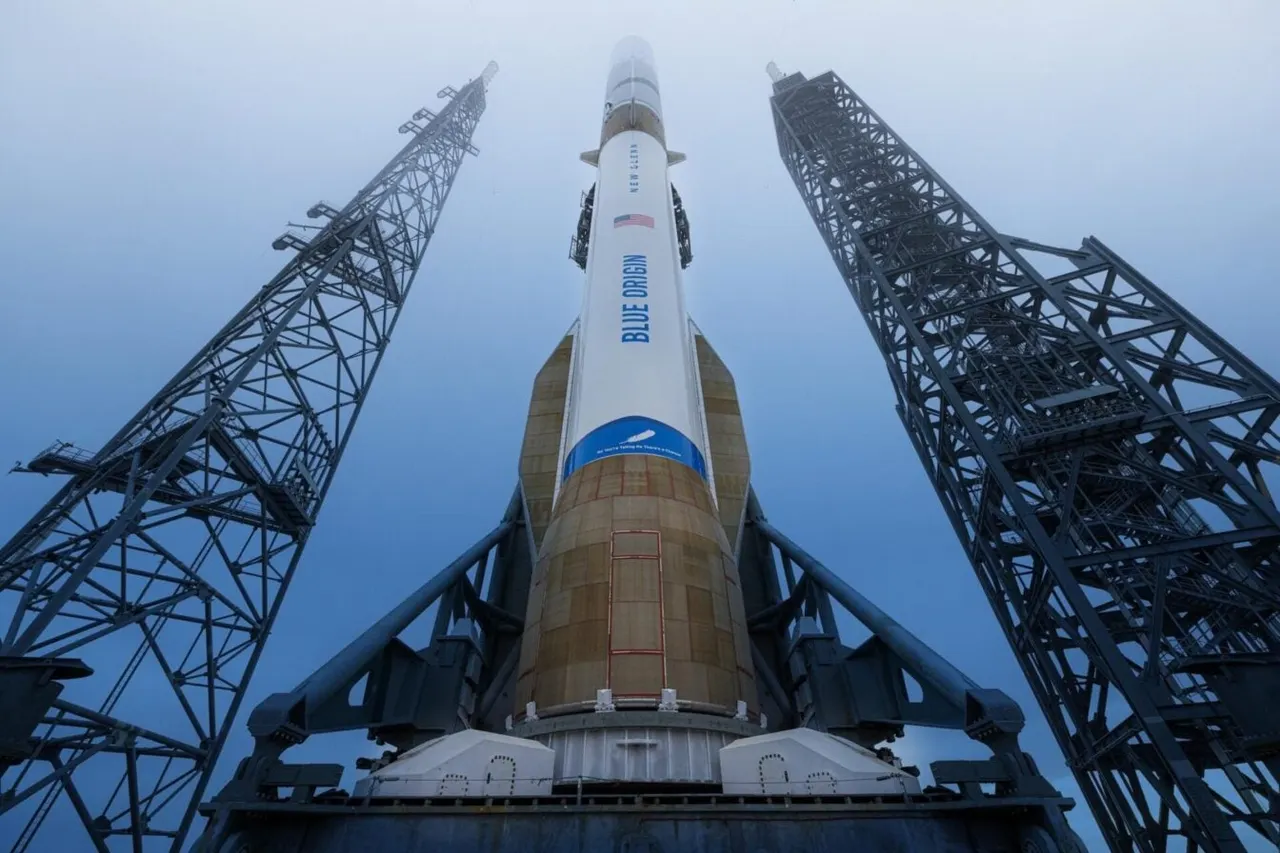
Google wants to put AI chips in orbit, and it now has a rocket for the job. Blue Origin, the company founded by Jeff Bezos, will launch the first heavy mission of Project Suncatcher on its New Glenn rocket. Liftoff is planned for the first quarter of 2029.
Both companies announced the launch services contract together. New Glenn is meant to drop the satellites into a sun-synchronous orbit at roughly 650 kilometres up. From there the satellites get sunlight almost all the time, which matters because the chips will run on solar power. Blue Origin sounds confident, even though a New Glenn rocket exploded during a test a few months ago.
Inside the satellites sit Google's own Tensor Processing Units (TPUs), its AI chips. Each satellite should offer about the computing power of one rack of servers in a data center, and all of them will be linked together as an orbital network. Neither company said how many satellites will fly. Google's research paper from last year mentioned 81.
What is Project Suncatcher?
It is a Google research programme, not a data center business yet. The goal is to find out whether TPU-equipped satellites can run and talk to each other to add AI computing capacity in space. Google has already sent up a first unit to see if a small server could survive space conditions, and the test appears to have worked.
Why put data centers in space?
Big tech firms are racing to build ever larger data centers to train and run AI models, or to rent out computing power. The bottleneck is less about finding chips and more about powering them. Data centers eat huge amounts of electricity, every site needs deals with energy companies, and power is getting pricier and harder to find.
Solar-powered satellites could sidestep that problem. Whether the idea actually makes economic sense is exactly what Suncatcher is meant to show.
Apps worth a look
SUMO: the number puzzleTap the right tiles, add them up, hit the target. Easy to learn, hard to master. Free, for all ages.
Dialo: learn languages by speakingTalk to an AI conversation partner; every sentence comes back corrected and explained in your language. 9 languages, A1 to C2.
ediviewer: read EDI files like documentsOpen EDIFACT and X12 messages, see every segment explained, convert to JSON/XML, export PDF and Excel. Runs locally, no upload.
giftdetect: the right gift in minutesPick who it is for, the occasion and their personality. The search engine reads product descriptions from local shops and ranks what fits. Free, no sign-up.
More from this day
See all →
California subpoenas Nvidia over Jensen Huang's China ties
TP-Link Wi-Fi 8 routers still blocked from sale in the US

OpenAI phone: Foxconn unit FIH Mobile reportedly assembling it