TP-Link Wi-Fi 8 routers still blocked from sale in the US
TP-Link, a top US router brand, still has no waiver under the March 2026 foreign router ban, while rivals, Starlink and Amazon's Eero got theirs.
 SUMO· the number puzzle
 Dialo· learn languages by speaking
 ediviewer· read EDI files like documents
 giftdetect· the right gift in minutes
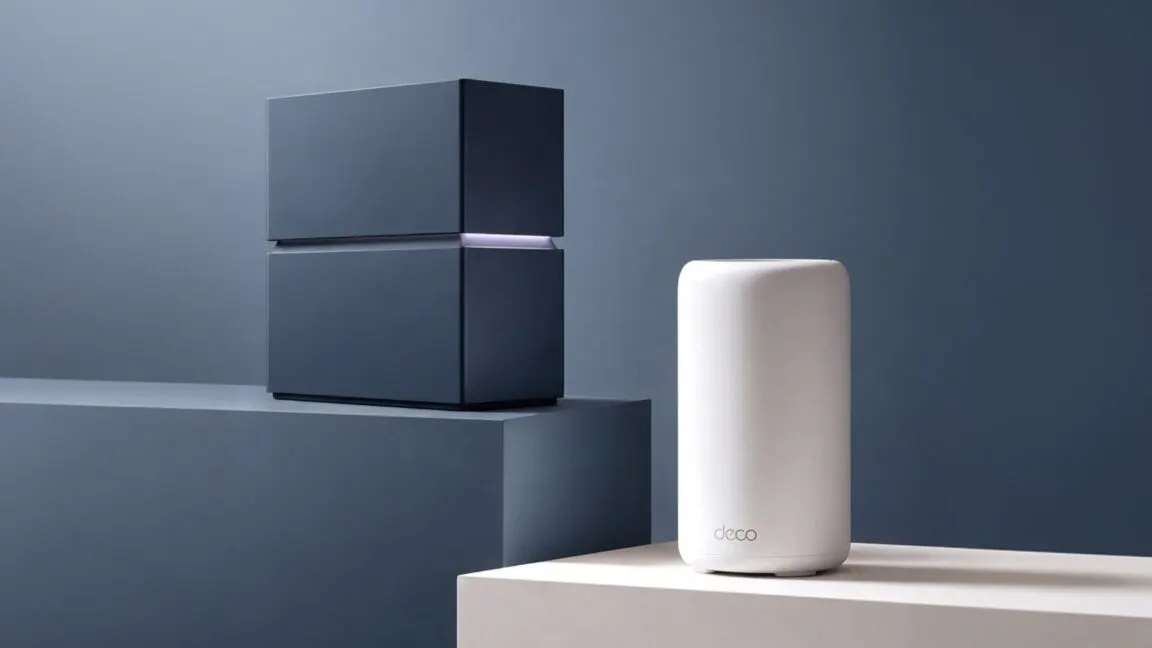
If you wanted to buy TP-Link's newest Wi-Fi 8 router in the US, you can't. The company, which may be the biggest seller of routers to American homes and small businesses, still hasn't won an exemption from the foreign router ban the Trump administration imposed in March 2026.
The rules bar the import or sale of any new router model that is made, assembled, designed or developed outside the US. Companies can ask for special permission, called a conditional approval, through a review involving the FCC, the Department of Defense and the Department of Homeland Security. So far 26 waivers have been issued, covering products from Netgear, Asus, Adtran, Calix, Nokia, Micro-Star International, Askey, Zyxel, Humax and Vantiva. SpaceX's Starlink and Amazon, for its Leo satellite service and its Eero routers, also got one.
TP-Link's older routers, approved before the ban, are still on sale. The new ones are not. Its first Wi-Fi 8 model, the Archer 8 Ultra, opened for preorder in September outside the US and costs £899.99 in the UK, about $1,178. At that price, most US shoppers won't miss it, but nobody knows when, or whether, the company will get approval.
Why is TP-Link struggling to get a waiver?
TP-Link was founded in China in 1996. It has since split in two, and the US company, headquartered in California since October 2024, says it has no affiliation with TP-LINK Technologies Co., Ltd., the entity serving mainland China. It has also pledged to assemble all new routers in the US. Still, it has to convince officials that its products aren't open to foreign hacking campaigns and aren't Chinese-controlled technology, a suspicion raised at a congressional hearing last year.
The reviews are secret, so outsiders can't tell whether the same security tests apply to everyone. The Pentagon declined to comment on TP-Link's request, and the FCC and DHS gave no comment.
What is the Covered List?
It's an FCC list of products seen as an unacceptable national security risk, created by a 2020 law. At first it named specific companies, such as Huawei, ZTE and Kaspersky Lab. Under Trump it now includes whole categories: foreign routers, drones, robotic devices and power inverters.
In September, Representatives Frank Pallone and Brett Guthrie proposed a bill to limit that power. It would require new entries to target only technology from entities controlled by a foreign adversary, meaning China, Russia, North Korea or Iran.
Apps worth a look
SUMO: the number puzzleTap the right tiles, add them up, hit the target. Easy to learn, hard to master. Free, for all ages.
Dialo: learn languages by speakingTalk to an AI conversation partner; every sentence comes back corrected and explained in your language. 9 languages, A1 to C2.
ediviewer: read EDI files like documentsOpen EDIFACT and X12 messages, see every segment explained, convert to JSON/XML, export PDF and Excel. Runs locally, no upload.
giftdetect: the right gift in minutesPick who it is for, the occasion and their personality. The search engine reads product descriptions from local shops and ranks what fits. Free, no sign-up.
More from this day
See all →
SpaceX Project Saturn: Lenders Don't Want Nvidia Chips in Orbit

California subpoenas Nvidia over Jensen Huang's China ties
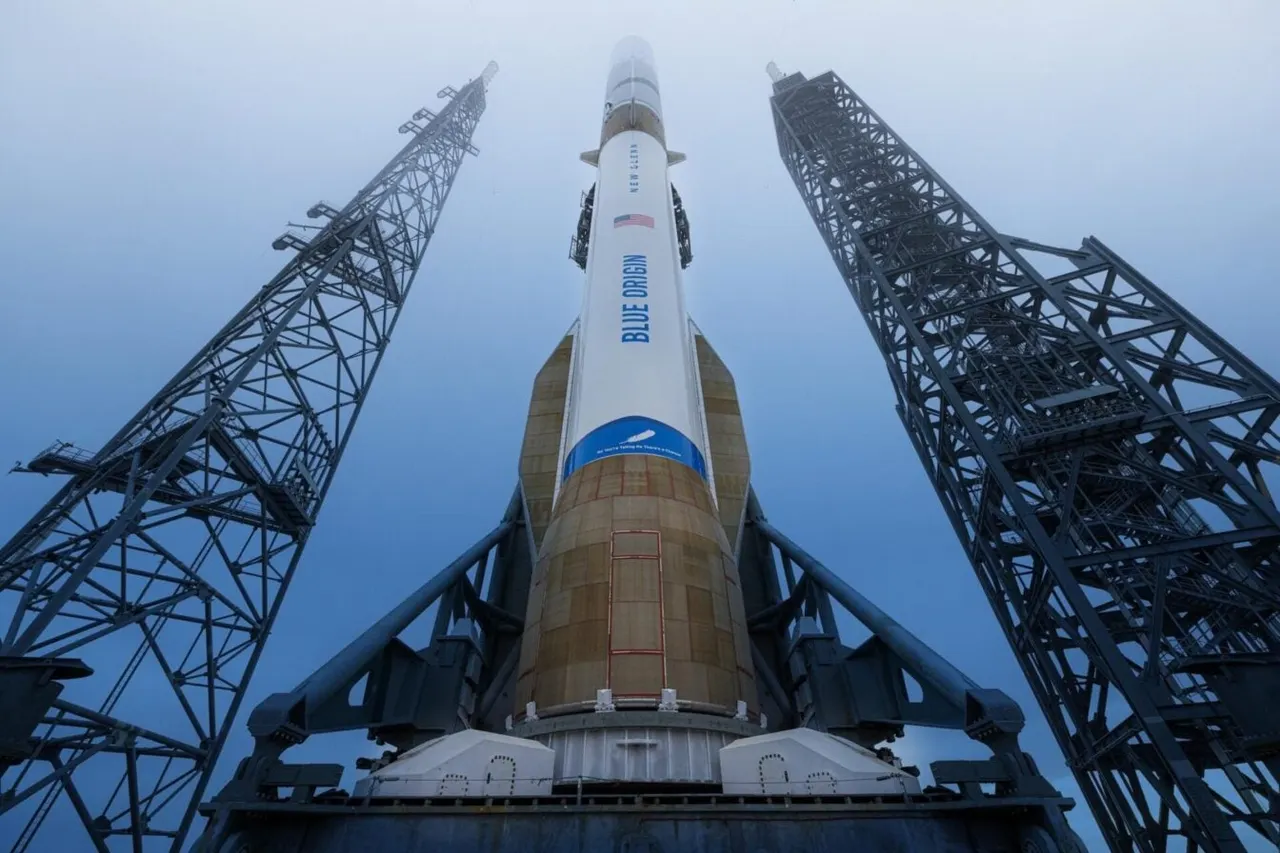
Google Project Suncatcher will launch AI chips on New Glenn