Starlink cell tower for rooftops: SpaceX plans 2027 launch
Elon Musk says SpaceX has finished designing a small cell tower you can mount on a roof, much like a Starlink dish, to fix phone dead zones indoors.
 SUMO· the number puzzle
 Dialo· learn languages by speaking
 ediviewer· read EDI files like documents
 giftdetect· the right gift in minutes
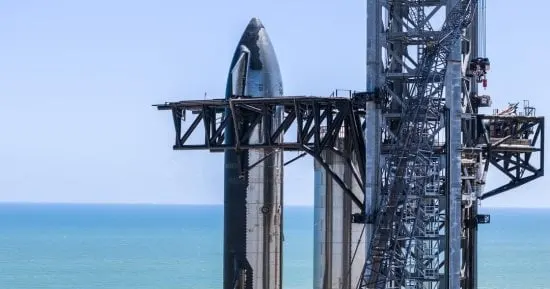
Satellites struggle to reach a phone inside a building, so SpaceX wants to put a small cell tower on your roof. Elon Musk says the company has finished designing a Starlink cell tower that can be mounted on homes and buildings, in the same way as a Starlink internet dish.
Musk spoke at the Dealbook summit. He said the devices should go into production in 2027, as part of a plan for near-universal wireless coverage, both outdoors and inside.
Why SpaceX needs rooftop towers for phones
The problem is physics. Signals from space have a hard time getting through buildings, especially those with metal or thick roofs. So SpaceX is working on a ground-based fix: small, low-power cellular base stations that work together with the satellite network and fill in where the signal from orbit falls short.
The satellites are also getting an upgrade. In 2027 the company plans to launch the second generation of its direct-to-cell satellites, called Direct-to-Cell V2. They are meant to offer about 40 times more bandwidth than the current generation.
What SpaceX has already lined up
The US Federal Communications Commission approved SpaceX's plans for direct-to-phone service via Starlink in 2024, working with T-Mobile. In 2025 SpaceX signed a $17 billion deal with EchoStar. This year it agreed to buy a portfolio of low-band radio spectrum for $8 billion.
The hardware is still in development, and the 2027 production date depends on the company keeping to its schedule.
Musk doesn't expect AT&T and Verizon to collapse, though he accepts they could lose some revenue to new rivals. He argues demand for network capacity will climb sharply in the coming years, driven not only by people but by advanced AI and robots that need to move far more data.
Apps worth a look
SUMO: the number puzzleTap the right tiles, add them up, hit the target. Easy to learn, hard to master. Free, for all ages.
Dialo: learn languages by speakingTalk to an AI conversation partner; every sentence comes back corrected and explained in your language. 9 languages, A1 to C2.
ediviewer: read EDI files like documentsOpen EDIFACT and X12 messages, see every segment explained, convert to JSON/XML, export PDF and Excel. Runs locally, no upload.
giftdetect: the right gift in minutesPick who it is for, the occasion and their personality. The search engine reads product descriptions from local shops and ranks what fits. Free, no sign-up.
More from this day
See all →
UPI merchant fee: who pays the new MDR on India's payments?
Apple's Mac AI agent would use your computer for you by 2027

First black hole image confirmed by independent AI analysis

Leaving Google Photos: how to move your memories and skip the fee
More in: Space
See all →Shenzhou-24: first foreign astronaut heads to Tiangong
Russia nuclear space weapon: what the US DIA report says
Perseverance rover radio failure halts science on Mars