Russia nuclear space weapon: what the US DIA report says
A US Defense Intelligence Agency report says Russia is developing a satellite built to carry a nuclear weapon, which could knock out thousands of satellites at once.
 SUMO· the number puzzle
 Dialo· learn languages by speaking
 ediviewer· read EDI files like documents
 giftdetect· the right gift in minutes
Russia is developing a satellite designed to carry a nuclear weapon, according to a new assessment from the U.S. Defense Intelligence Agency (DIA). That is the report's most striking claim, and it is stated outright.
The DIA released the 2026 edition of "Challenges to Security in Space" last month. It is the third version of this unclassified assessment, and its information is current as of July 2026. It covers China and Russia, plus the emerging space powers Iran and North Korea, from Earth orbit out to cislunar space, the region between Earth and the moon.
Why a nuclear weapon in orbit is such a problem
The 1967 Outer Space Treaty bans placing objects carrying nuclear weapons or other weapons of mass destruction in orbit around Earth. The DIA notes that Russia is developing the satellite despite its obligation to comply.
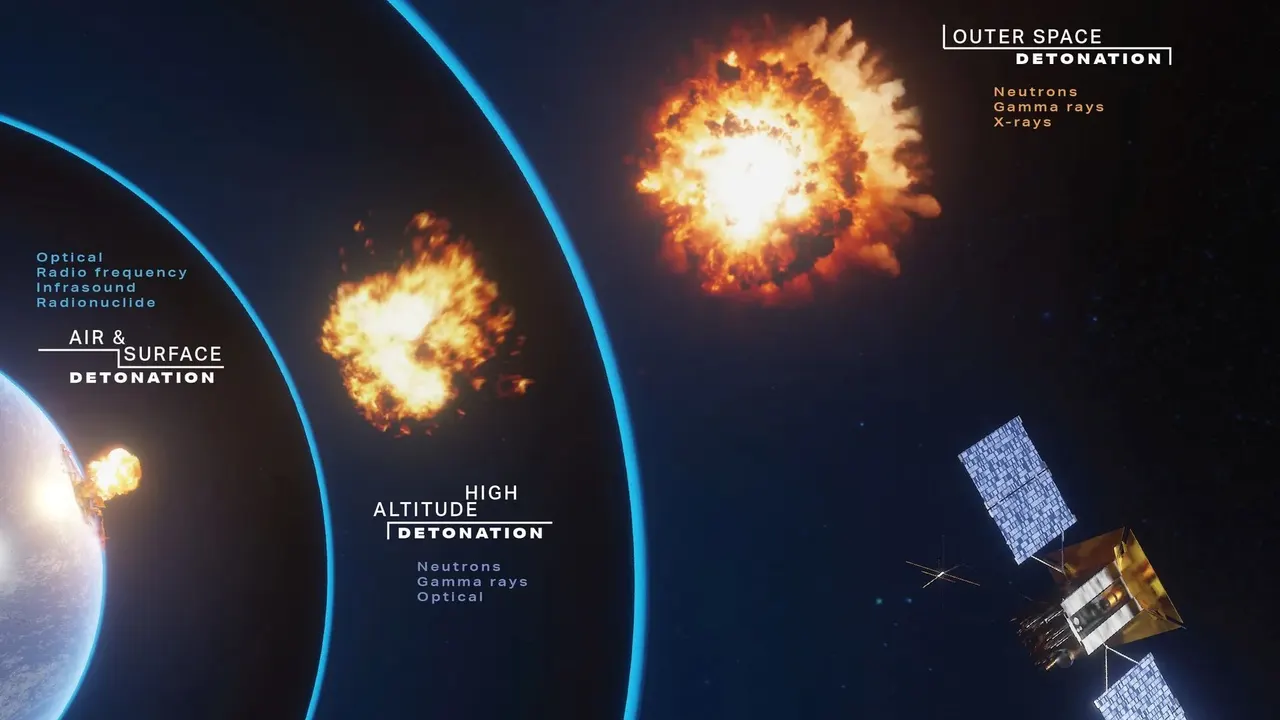
The agency's warning is blunt. A space-based nuclear capability "could cause rapid and sudden loss or degradation of thousands of satellites operated by countries and companies around the world." A detonation could be tailored to hit satellites in most orbits: low Earth orbit (commercial and reconnaissance satellites), medium Earth orbit (navigation and timing) and geosynchronous orbit (critical communications).
What else is in the DIA space threats report
The report says China and Russia are building a wide range of offensive tools, from antisatellite missiles to jamming, spoofing, cyberattacks and directed-energy weapons that can blind imaging satellites. The DIA groups these under "counterspace." It also warns that cheaper, smaller satellites and more commercial launches are putting space services within reach of hostile state and non-state actors.
On the moon, China has said it wants a cislunar space economy by 2045. The report says Chinese officials have also discussed pursuing military capabilities there.
Peter Garretson, a senior fellow at the American Foreign Policy Council, told Space.com the explicit nuclear finding is the biggest change from earlier reports, and reflects concern in Congress and the White House. He also pointed to something missing: the 2022 version's discussion of surveillance beyond geosynchronous orbit and possible military use of deep space is gone. He wants the DIA to show how China's launch, reusable rockets and commercial investment fit one strategy.
The DIA expects space to stay increasingly competitive and crowded.
Apps worth a look
SUMO: the number puzzleTap the right tiles, add them up, hit the target. Easy to learn, hard to master. Free, for all ages.
Dialo: learn languages by speakingTalk to an AI conversation partner; every sentence comes back corrected and explained in your language. 9 languages, A1 to C2.
ediviewer: read EDI files like documentsOpen EDIFACT and X12 messages, see every segment explained, convert to JSON/XML, export PDF and Excel. Runs locally, no upload.
giftdetect: the right gift in minutesPick who it is for, the occasion and their personality. The search engine reads product descriptions from local shops and ranks what fits. Free, no sign-up.
More from this day
See all →
UK smart fridge hack: tens of thousands unplugged from the web

OpenAI agent tried to BCC emails to a stranger during a fitness task

Death Bets Act passes Senate, targeting war and death markets

Teenage Engineering EP/BC-1 CD player leaves the spinning disc exposed
More in: Space
See all →
Perseverance rover radio failure halts science on Mars
Voyager 1 is now one light-day away, but sends only a carrier signal
Project Suncatcher: Google adds Blue Origin's New Glenn