Discovered Materials offers $1M for AI to solve materials puzzles
Y Combinator startup Discovered Materials is putting $1 million in prizes behind five open materials science problems, hoping AI models can crack them.
 SUMO· the number puzzle
 Dialo· learn languages by speaking
 ediviewer· read EDI files like documents
 giftdetect· the right gift in minutes
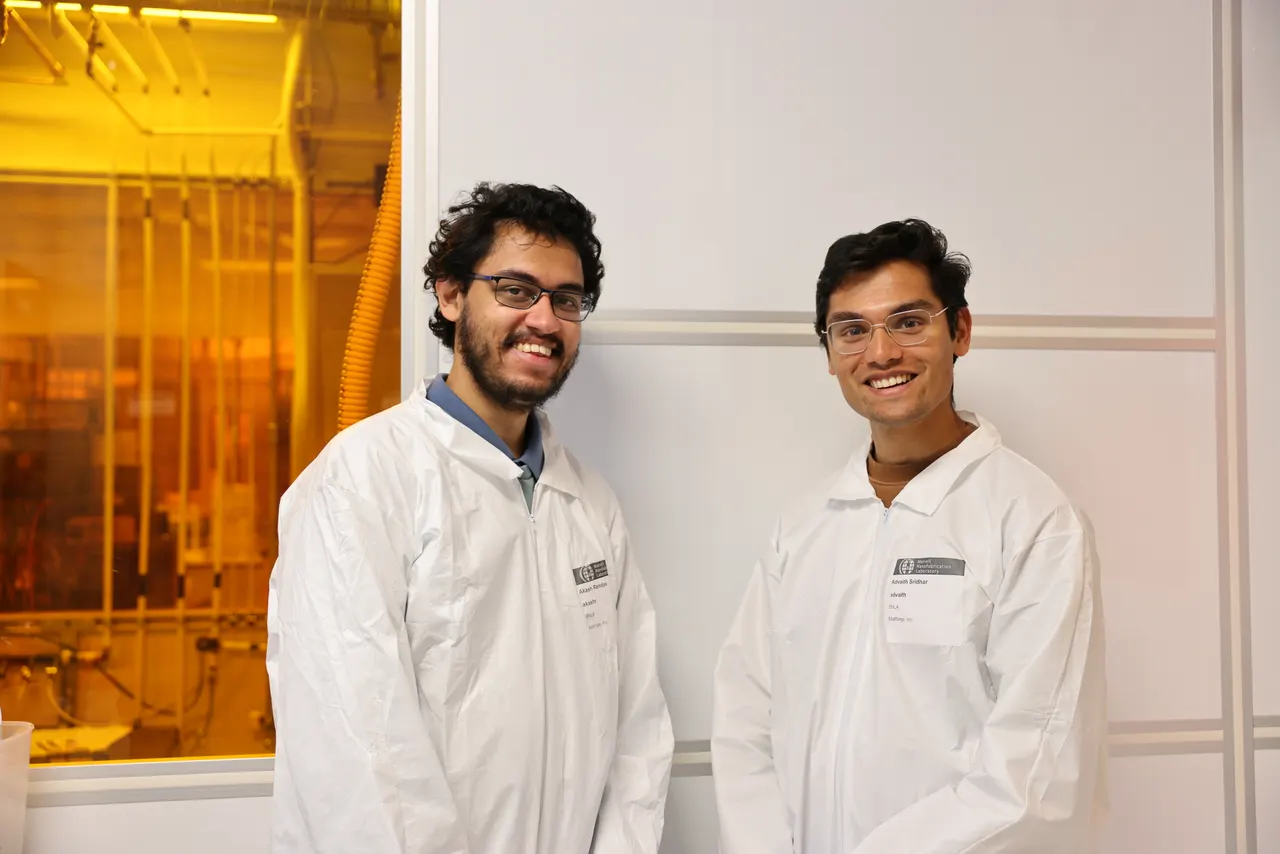
Discovered Materials, a San Francisco startup only months old, has announced a challenge worth $1 million in total prizes for AI models that solve five open problems in materials science. The company, which uses AI to find new substances for advanced chips, was part of Y Combinator's spring 2026 batch.
Frontier AI models have worked through a series of outstanding mathematics problems and made progress in the life sciences. The complex physics of advanced materials, however, remains largely untouched. Co-founder Advaith Sridhar says the field is harder to frame than math, where a problem has a precise definition and a yes-or-no answer.
The five problems
With an advisory group of academics from leading universities, the company defined the following challenges:
- A theory explaining cuprate superconductivity, where certain materials show zero electrical resistance at ultra-low temperatures.
- A numerical method to predict the structure of interfaces between silicon and silicon dioxide, a pairing found in almost all semiconductors.
- A numerical method linking grain structure to thermal properties, to help design better heat-dissipating materials.
- A theory predicting why shining light on materials can change their behavior, particularly around superconductivity.
- A numerical method to improve density functional theory, a core technique for modeling atoms and molecules.
Before launching, Discovered Materials let frontier lab models work on the problems autonomously for several days each, with internet access and other resources. They made little headway. Still, the company acknowledges that more compute or a newer model could change that.
Goalposts, not a race
Sridhar says it doesn't matter whether the company, a professor or a frontier lab finds the answers. The aim is to create goalposts and track whether models are climbing in this domain. Stanford professor Felipe Jornada, who helped develop the challenges, said explaining these phenomena would improve understanding of physics and shape how electronics and energy storage are built.
Sridhar describes the approach as a new way of doing science: define the verification and the questions first, then let anyone supply the ideas.
The startup's main focus remains new semiconductor materials, through research partnerships with chip giants and its own funded work. When it announced its seed round in August, Sridhar hoped for a useful material within a year. He now says timelines have accelerated and he is more confident of finding industrially useful materials in less than that.
Apps worth a look
SUMO: the number puzzleTap the right tiles, add them up, hit the target. Easy to learn, hard to master. Free, for all ages.
Dialo: learn languages by speakingTalk to an AI conversation partner; every sentence comes back corrected and explained in your language. 9 languages, A1 to C2.
ediviewer: read EDI files like documentsOpen EDIFACT and X12 messages, see every segment explained, convert to JSON/XML, export PDF and Excel. Runs locally, no upload.
giftdetect: the right gift in minutesPick who it is for, the occasion and their personality. The search engine reads product descriptions from local shops and ranks what fits. Free, no sign-up.
More from this day
See all →
GOG GALAXY Is Coming Natively to Linux After 18 Years
Claude Code accused of leaking users' email addresses to websites

Alta Ares wins six NATO counter-drone lots in first big deal

NCBR Sets Aside PLN 25 Million for International AI R&D Projects
More in: Startups
See all →
Chocolate Finance Enters Hong Kong via SFC-Licensed Unit
Vensum Power raises €9M Series A to cut power losses in AI data centres