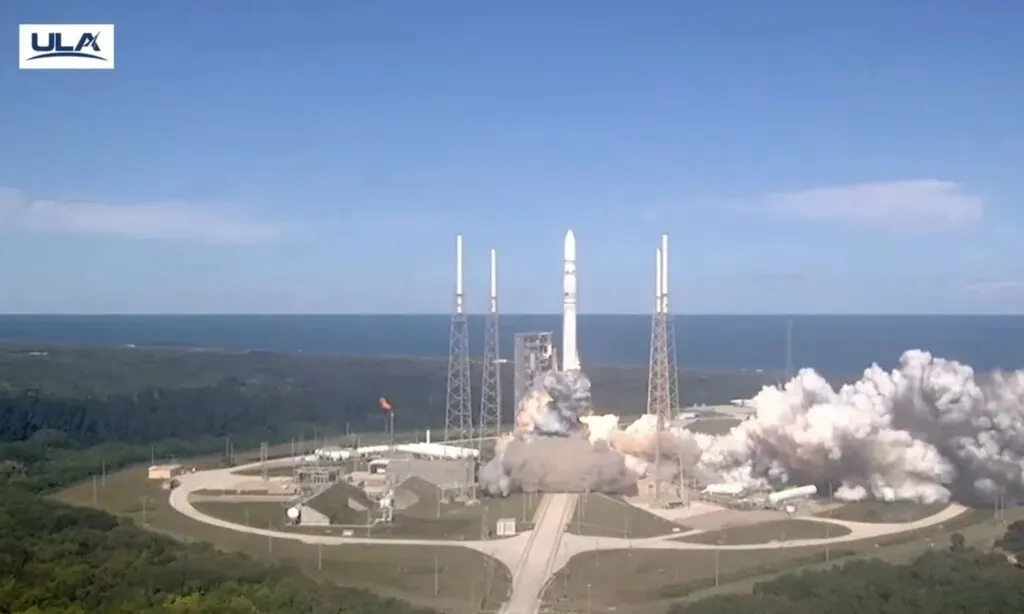
DART mission changed Dimorphos' shape, not just its orbit
NASA's DART probe nudged the asteroid Dimorphos off course in 2022. Now researchers say the hit also turned it from a hamburger shape into a rugby ball.
 SUMO· the number puzzle
 Dialo· learn languages by speaking
 ediviewer· read EDI files like documents
 giftdetect· the right gift in minutes
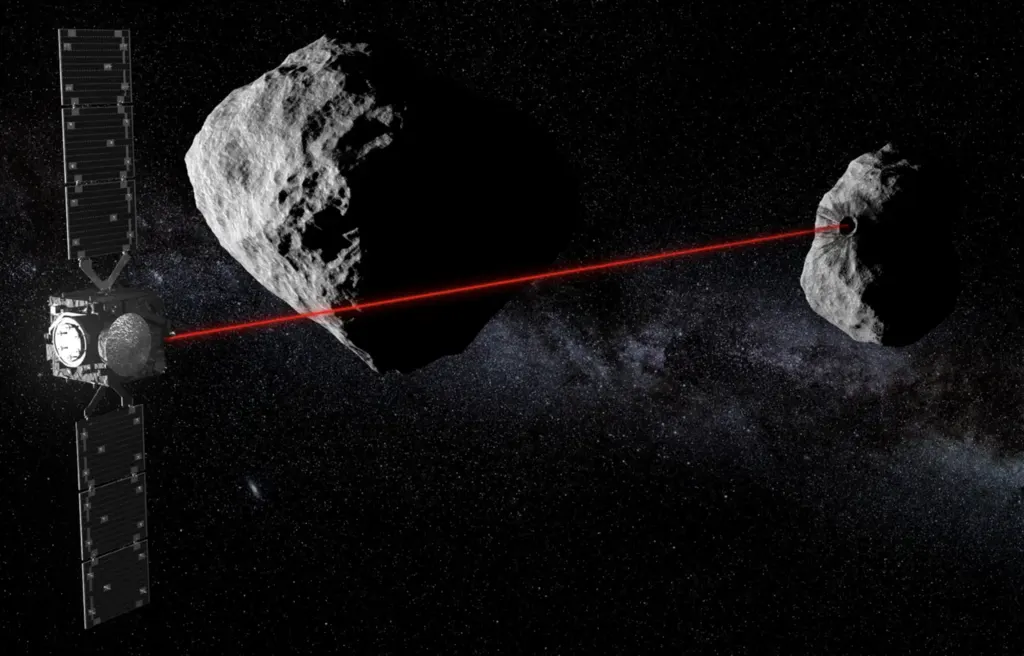
When NASA's DART probe slammed into the asteroid Dimorphos in September 2022, the goal was simple: nudge its path. It worked. What researchers hadn't counted on is that the crash also changed the asteroid's shape.
Before the impact, Dimorphos was oblate, meaning flattened at the poles like Earth. The team describes it as hamburger-shaped. Afterwards it looked more prolate, stretched out like a rugby ball. The findings were published in the Planetary Science Journal.
What else did DART change at Dimorphos?
The impact also upset the way the asteroid moves. Dimorphos used to keep the same face turned toward its bigger partner Didymos, much as the Moon does with Earth. That lock is gone. The system is now out of alignment, so Dimorphos can wobble and may even end up tumbling in a chaotic, unpredictable spin, according to Derek Richardson, who led the analysis.
"For the most part, our pre-impact predictions about how DART would change the way Didymos and its moon Dimorphos move through space were correct," Richardson said. "But there are some unexpected discoveries that help provide a better picture of how asteroids and other small bodies form and evolve over time."
The crash also threw off small rocks that stayed in orbit around the pair and helped shift their motion. Didymos itself, though, kept its shape. That suggests the larger asteroid is rigid enough to have stayed intact when its moon formed.
What happens next with Hera?
The European Space Agency's Hera mission is on its way to take a closer look. It launched in October 2024 on a Falcon 9, flew past Mars in March 2025 and began its approach braking burns this October. On 5 November ESA released a close-up of Didymos with Dimorphos half hidden, and more images are expected on 25 November.
Hera's data should allow a more thorough analysis of what DART did, and that in turn should help plan missions to protect Earth from asteroid impacts.
Apps worth a look
SUMO: the number puzzleTap the right tiles, add them up, hit the target. Easy to learn, hard to master. Free, for all ages.
Dialo: learn languages by speakingTalk to an AI conversation partner; every sentence comes back corrected and explained in your language. 9 languages, A1 to C2.
ediviewer: read EDI files like documentsOpen EDIFACT and X12 messages, see every segment explained, convert to JSON/XML, export PDF and Excel. Runs locally, no upload.
giftdetect: the right gift in minutesPick who it is for, the occasion and their personality. The search engine reads product descriptions from local shops and ranks what fits. Free, no sign-up.
More from this day
See all →
Comet 220P/McNaught suddenly got 1,000 times brighter. Here's why

Coral Hart used AI to write 370 books in 20 months

WhatsApp Zaps: self-deleting photos and videos for any chat

Green SM taxis: Karnataka halts new registrations, eyes mandatory meters
More in: Space
See all →
Reflect Orbital wants 50,000 mirror satellites to sell sunlight
Dream Chaser space plane cleared to land ahead of 2027 debut
ASTRA robot builds a structure in orbit with no humans