Cable thefts hit 850 EV charging sites in France this year
Copper thieves have targeted 850 French charging sites since January, says Charge France. Operators want a national plan and critical-infrastructure status for key stations.
 SUMO· the number puzzle
 Dialo· learn languages by speaking
 ediviewer· read EDI files like documents
 giftdetect· the right gift in minutes
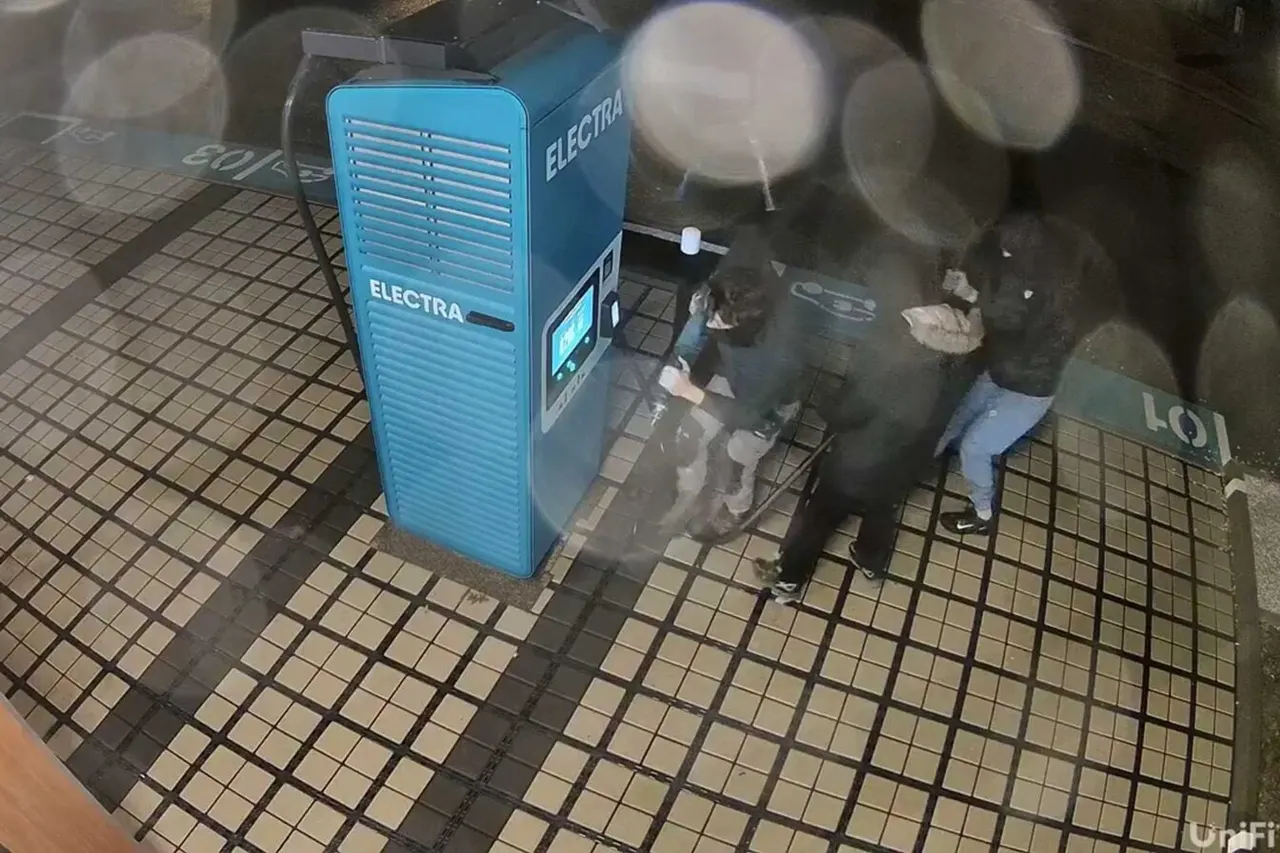
Copper thieves have hit 850 electric-vehicle charging sites in France since January, according to Charge France, the association of charging operators. The group published its tally on 3 November and puts the damage at 18 million euros.
That is roughly 10% of the country's fast-charging network. The association's secretary general, Matthieu Dischamps, has since cited around 1,000 affected stations at the end of October, more than 15% of the network, and 21 million euros in losses. For comparison, about a hundred stations were hit over the whole of 2025.
Little loot, big costs
The thick cables on fast chargers are the target. A severed cable reportedly sells for only 30 to 80 euros, yet replacing it costs the operator about 1,500 euros, before technician time and revenue lost while the station is down. TotalEnergies has said it replaces cables in about fifteen days.
For drivers, a cut station simply cannot charge. A survey by Enedis-CSA in October, cited by the association, found that 71% of drivers of fully electric cars use public charging. On major routes, where stations can be dozens of kilometres apart, checking availability in the operator's app or the on-board planner before leaving is advisable.
Operators ask for state action
Operators blame organised networks using battery-powered hydraulic cable cutters and angle grinders, working at night on isolated, unattended sites. Driveco, which runs more than 450 stations, sees one or more thefts almost every week and is rolling out Kevlar sheaths with GSM chips. Others use video surveillance, alarms and real-time alerts, while Ionity cites reinforced physical protection, tracking and ink-marking systems.
Courts are starting to respond. Charge France counts fifteen indictments since January, seven of them since September. Toulouse and Troyes handed down two-year prison terms with five- and ten-year bans from French territory, and Nantes imposed sixteen months, all with compensation for operators.
The association wants the Interior and Justice ministries to cross-reference investigations between prosecutors, tighten checks on scrap dealers and send police quickly when a charger raises an alert. Lawmaker Olga Givernet has asked the interior minister to classify the most strategic stations as critical infrastructure under the 2022 EU directive on critical entities, as Portugal does. No decision has been announced. France had about 40,000 fast-charging points at the end of September.
Apps worth a look
SUMO: the number puzzleTap the right tiles, add them up, hit the target. Easy to learn, hard to master. Free, for all ages.
Dialo: learn languages by speakingTalk to an AI conversation partner; every sentence comes back corrected and explained in your language. 9 languages, A1 to C2.
ediviewer: read EDI files like documentsOpen EDIFACT and X12 messages, see every segment explained, convert to JSON/XML, export PDF and Excel. Runs locally, no upload.
giftdetect: the right gift in minutesPick who it is for, the occasion and their personality. The search engine reads product descriptions from local shops and ranks what fits. Free, no sign-up.
More from this day
See all →
mObywatel to Add New Payment Options and More AI Support
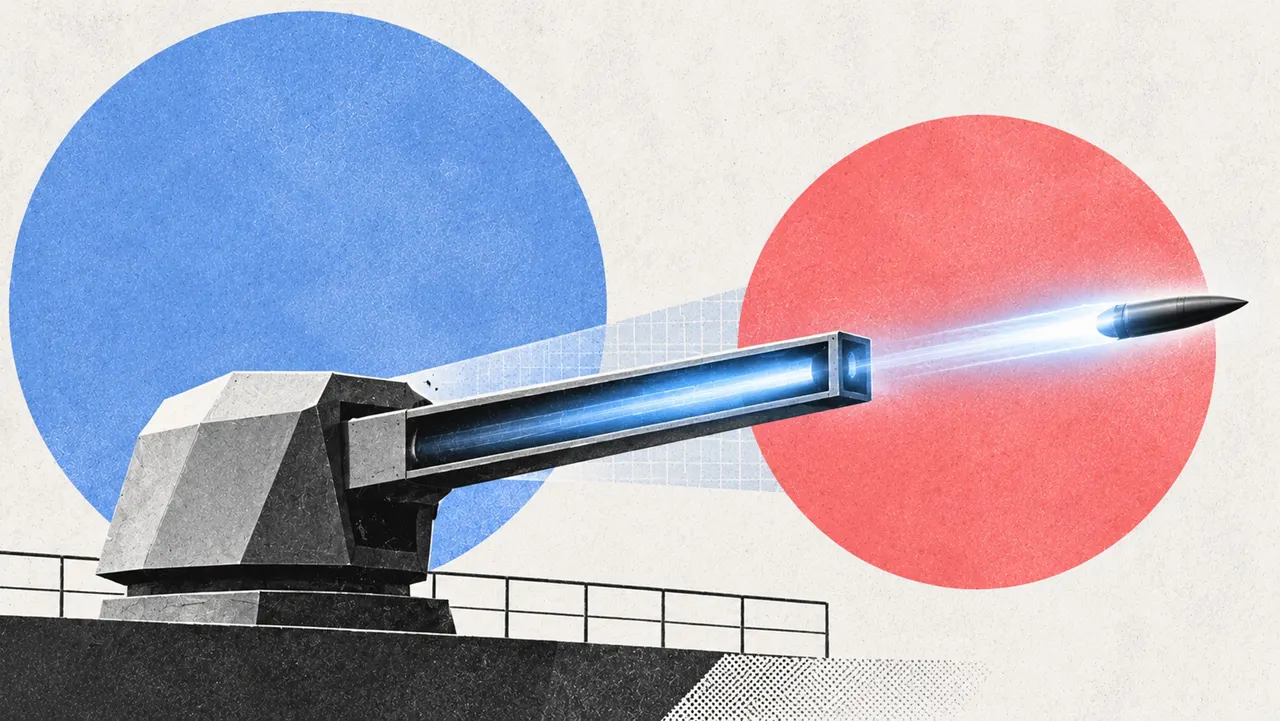
France Funds Compact Power Source for Naval Railgun Project
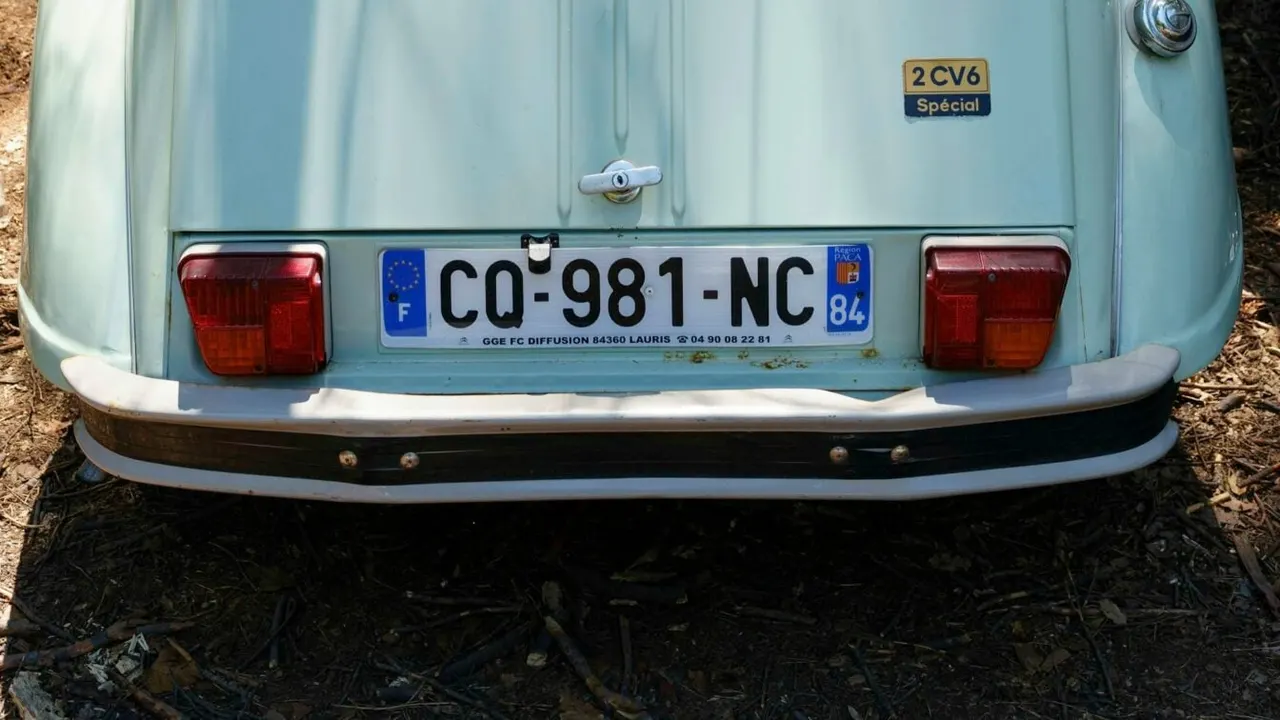
Auto-Planning Confirms Hack Exposing 14 Million French Plates

South Korea Delays Crypto Income Tax to 2029, Adds Loss Carryforward
More in: Automotive
See all →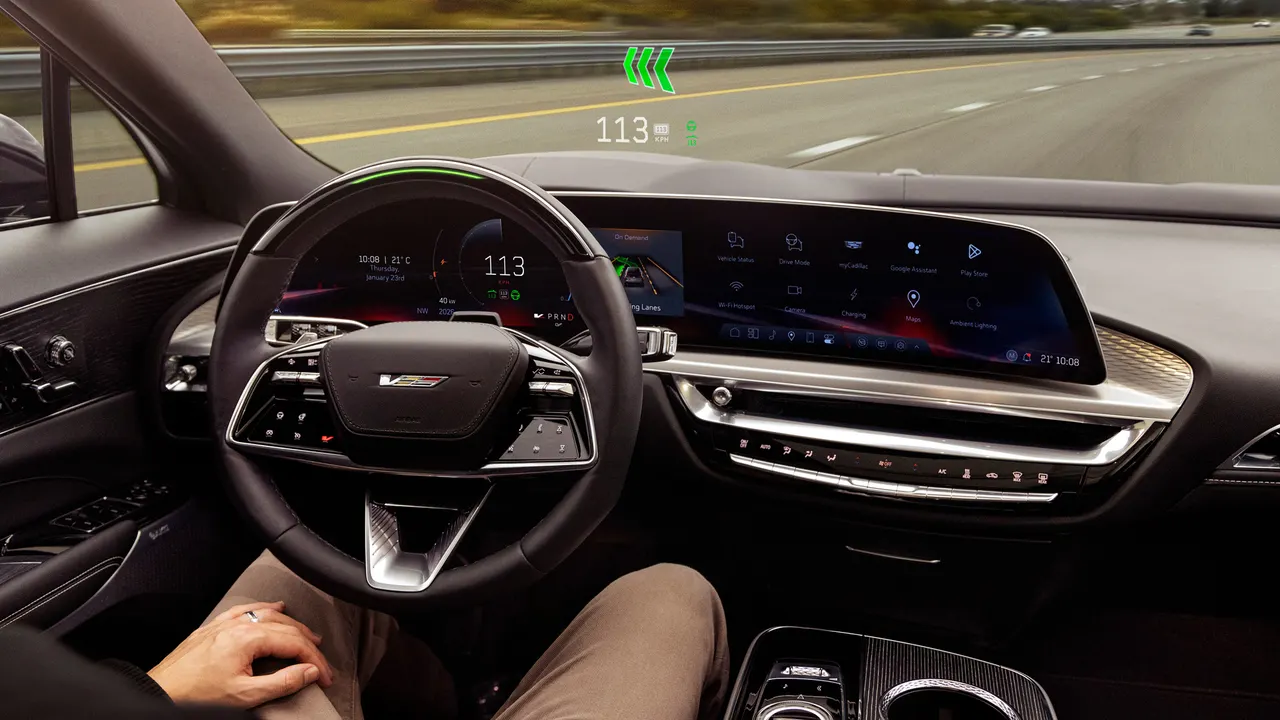
Cadillac Super Cruise Launches in Europe: Hands-Free to 130 km/h
Stellantis Turns to LFP Batteries to Cut Electric Car Prices

Baidu unveils Apollo World model to speed up robotaxi rollout