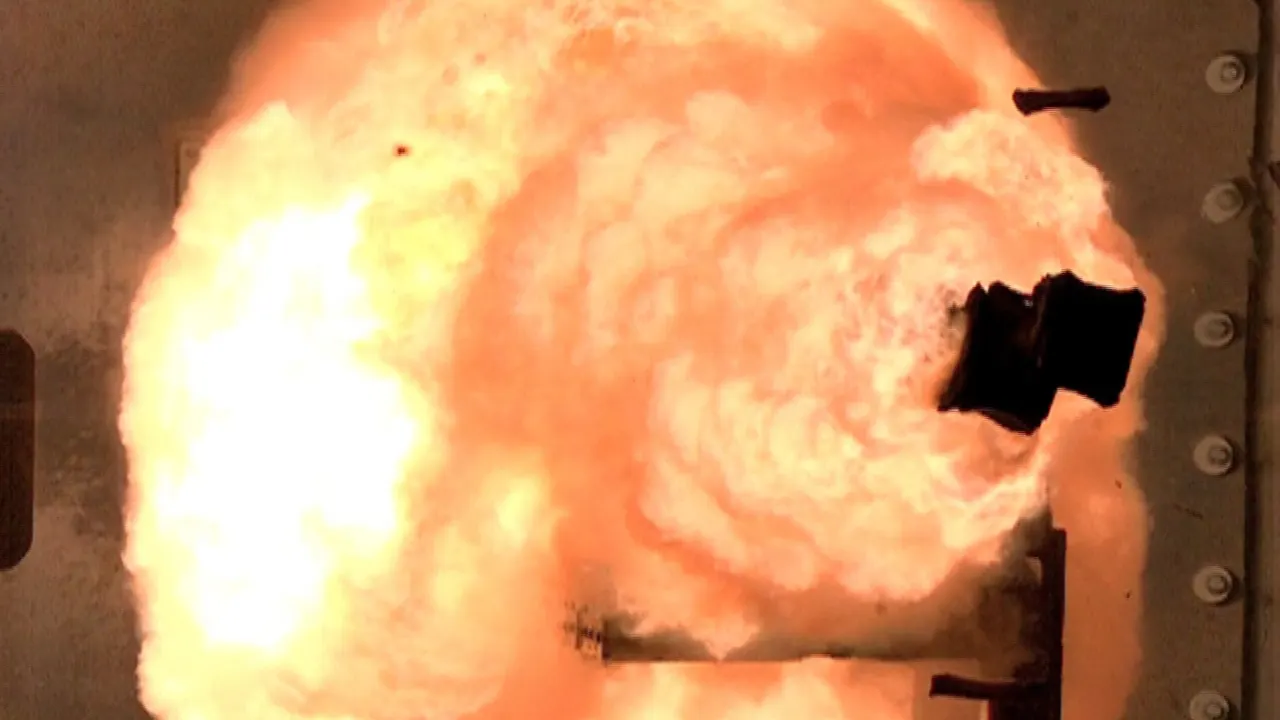
France Funds Compact Power Source for Naval Railgun Project
France's defence innovation agency is funding a two-year Hemeria and ISL project to shrink the power supply of a shipborne electromagnetic railgun by a factor of five to ten.
 SUMO· the number puzzle
 Dialo· learn languages by speaking
 ediviewer· read EDI files like documents
 giftdetect· the right gift in minutes
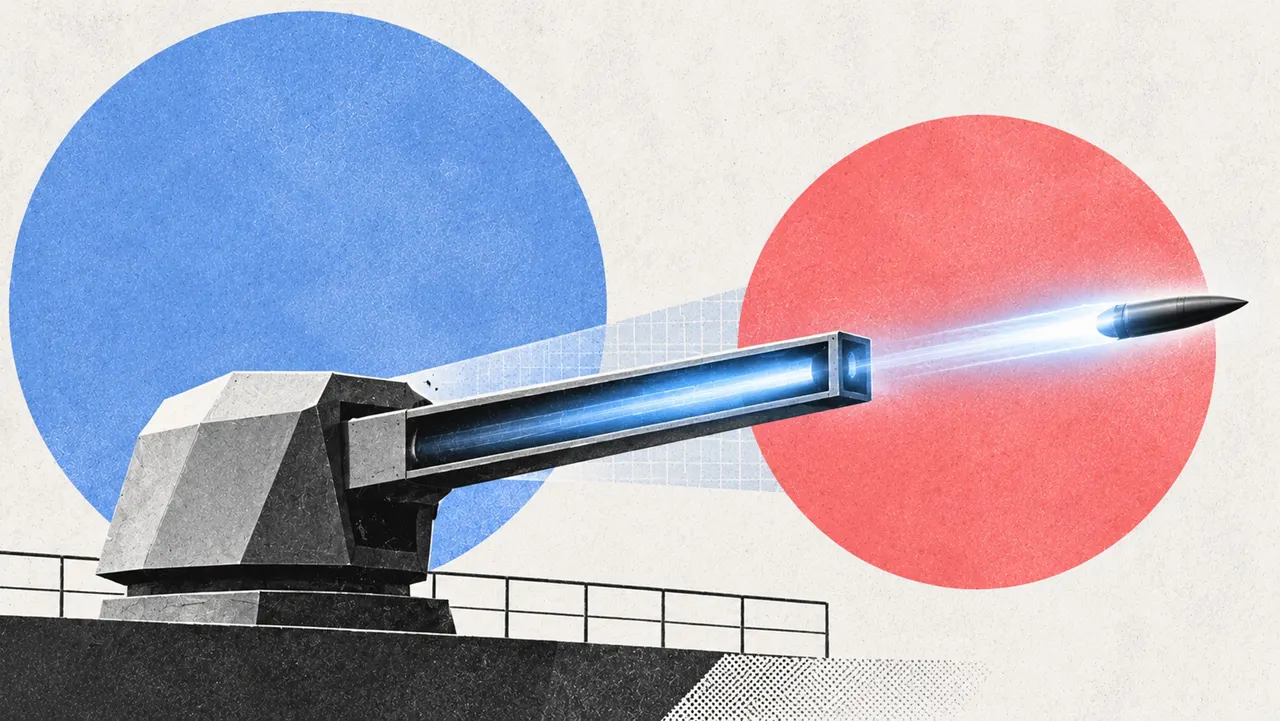
France's defence innovation agency (AID) is financing a two-year project to make an electromagnetic railgun small enough for a warship. Industrial firm Hemeria and the Franco-German research institute ISL announced the effort at the Euronaval 2026 show.
The obstacle is bulk, especially on the power side. A railgun fires projectiles without gunpowder, using a very intense electrical pulse. According to the AID, it takes more than one million amperes in a fraction of a second to launch a shell at over 2 kilometres per second, nearly six times the speed of sound.
Supercapacitors and an XRAM generator
The agency says the film capacitors that supply this current today are far too large for a frigate. Commercial lithium-ion batteries that were tested hit current limits and took up three times too much space.
The demonstrator will combine supercapacitors, which store energy and release it much faster than a battery, with an XRAM generator, a coil-based circuit that multiplies current during discharge. Hemeria supplies the supercapacitors and will develop their management system, including the charger, test-control software and safety and control hardware. ISL provides the XRAM generator and will validate the supercapacitors in tests representative of its needs.
The test bench targets a peak current above 50,000 amperes, roughly twenty times less than a full shot requires. The goal is to stay within the limits of qualified switching components and to cut the volume and mass of the power chain by a factor of five to ten compared with film capacitors.
A difficult field
The technology has a troubled record. The US Navy stopped its own programme in 2021 after spending about half a billion dollars (nearly 450 million euros) over fifteen years, citing budget constraints and the difficulty of integrating the weapon into its combat systems.
Heat and pressure at each discharge, which wear out equipment significantly, remain unresolved. Calibre and expected performance in range and speed also limit progress.
Several countries still pursue research. The AID continues to count the United States and China among the main players. Japan signed a cooperation agreement on these weapons with France and Germany in 2024 and has already tested its own gun.
Apps worth a look
SUMO: the number puzzleTap the right tiles, add them up, hit the target. Easy to learn, hard to master. Free, for all ages.
Dialo: learn languages by speakingTalk to an AI conversation partner; every sentence comes back corrected and explained in your language. 9 languages, A1 to C2.
ediviewer: read EDI files like documentsOpen EDIFACT and X12 messages, see every segment explained, convert to JSON/XML, export PDF and Excel. Runs locally, no upload.
giftdetect: the right gift in minutesPick who it is for, the occasion and their personality. The search engine reads product descriptions from local shops and ranks what fits. Free, no sign-up.
More from this day
See all →
mObywatel to Add New Payment Options and More AI Support
Cable thefts hit 850 EV charging sites in France this year
Auto-Planning Confirms Hack Exposing 14 Million French Plates

South Korea Delays Crypto Income Tax to 2029, Adds Loss Carryforward
More in: Other
See all →Russian Railways tests robot dog to check Lastochka train repairs
Polskie Radio Kierowców Aired AI-Generated Song for a Month
KT and Samsung Cut High-Speed Rail Dropouts by 29% With AI