Brain implant users write first guidelines for BCI trials
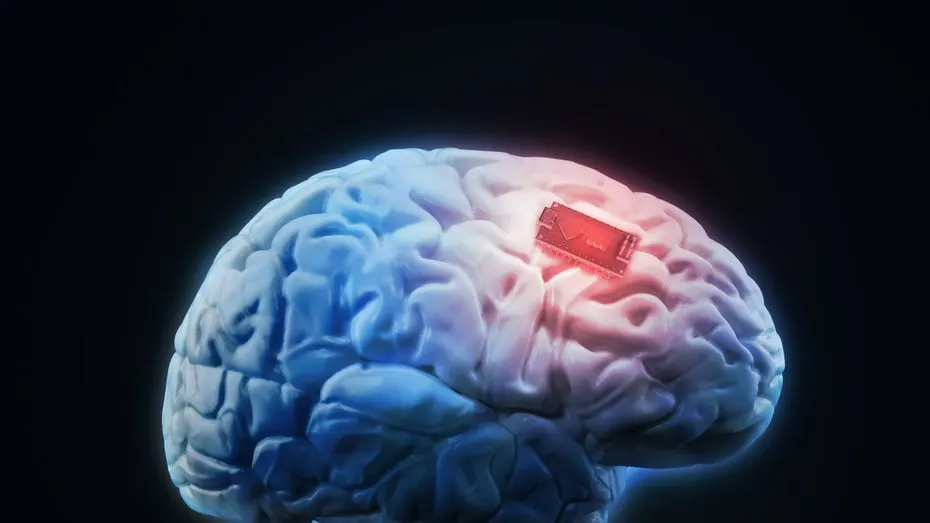
People who carry experimental brain implants say their work in studies deserves recognition, so they have drafted the first guidelines for BCI trials.
 SUMO· the number puzzle
 Dialo· learn languages by speaking
 ediviewer· read EDI files like documents
 giftdetect· the right gift in minutes
Hardly anyone in the world carries an experimental brain implant. Now a group of them has done something unusual: together with former trial participants, they have written the first guidelines for how studies with brain implants should be run. Their point is simple. Volunteers do real work in these trials, and it should be recognised.
The studies involve brain-computer interfaces, or BCIs for short. These are implants that read brain activity and turn it into commands. Scientists have spent decades trying to decode those signals. The result so far: implants that let people steer robotic arms and computers. In some cases, wearers can even "speak" again.
Who is behind the BCI guidelines?
One of the people driving the effort is Ian Burkhart. He received a brain implant back in 2014, so he knows the research from the inside. He is now working on a set of guidelines aimed at researchers who develop BCIs.
His argument is that the people who volunteer for these experiments play a decisive role in the research. Their contributions, he says, should be acknowledged.
Why do trial participants want more recognition?
The group of people with experimental implants is small, and the studies they take part in are special. That is exactly why the group stepped in itself instead of waiting for others to define the rules. A trial participant is not a passive test subject. They give time and effort, and the science depends on them.
For anyone following BCI research, this is a shift in who gets a say. Until now, guidance on how these studies work has come mostly from the researchers. This time, the people with the implants in their heads are setting out what they expect from the teams they work with.
The guidelines are written for researchers who build BCIs, so the first test will be whether labs actually use them.
Apps worth a look
SUMO: the number puzzleTap the right tiles, add them up, hit the target. Easy to learn, hard to master. Free, for all ages.
Dialo: learn languages by speakingTalk to an AI conversation partner; every sentence comes back corrected and explained in your language. 9 languages, A1 to C2.
ediviewer: read EDI files like documentsOpen EDIFACT and X12 messages, see every segment explained, convert to JSON/XML, export PDF and Excel. Runs locally, no upload.
giftdetect: the right gift in minutesPick who it is for, the occasion and their personality. The search engine reads product descriptions from local shops and ranks what fits. Free, no sign-up.
More from this day
See all →
Kh-101 missiles found at three crash sites in Poland, prosecutors say
mBank warns of card scams after the Autopay data leak
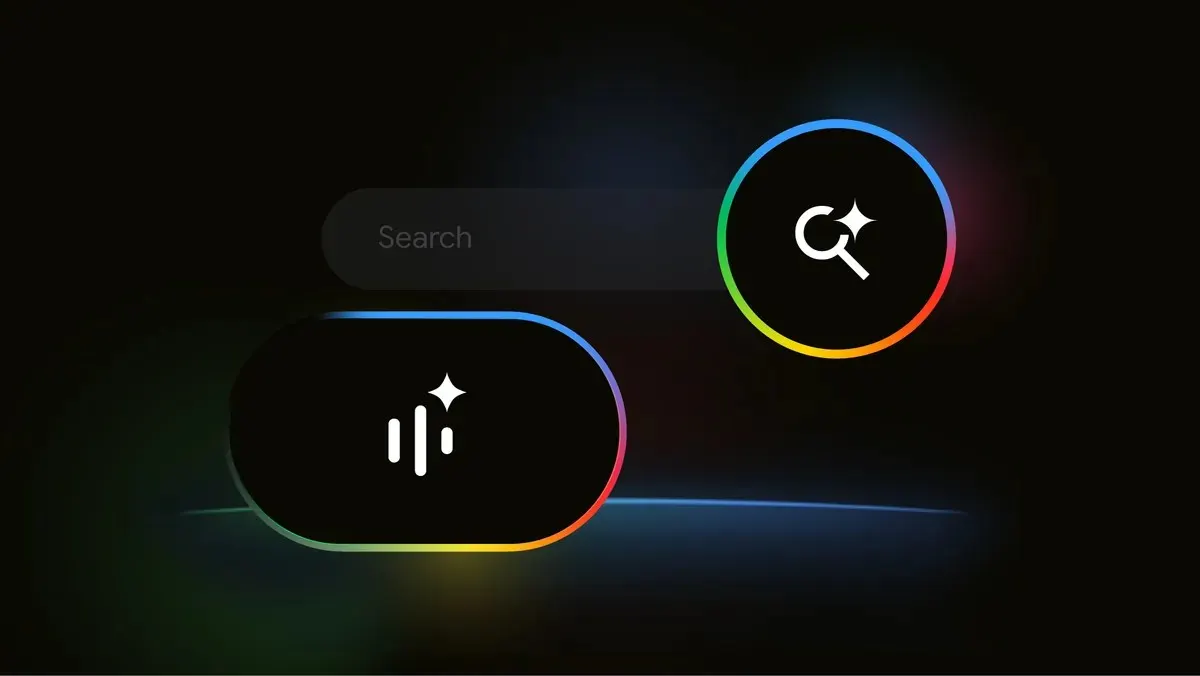
Google homepage drops the Search button for AI tools

iOS 27 Connectivity Assist: Your iPhone Can Now Pair Wi-Fi With Mobile Data
More in: Science
See all →
Superhabitable planets: why scientists want a better Earth

Teen screen time and the brain: what a Finnish MRI study found

Iwo Jima volcano pushes up new land the size of 10 Tokyo Domes