Blue Energy Plans Shipyard-Built Nuclear Plants to Cut Build Time to 3 Years
MIT spinout Blue Energy wants to build nuclear plants in shipyards as 1,500-tonne blocks and barge them to site, starting on gas to cut build time from 10 years to about 3.
 SUMO· the number puzzle
 Dialo· learn languages by speaking
 ediviewer· read EDI files like documents
 giftdetect· the right gift in minutes
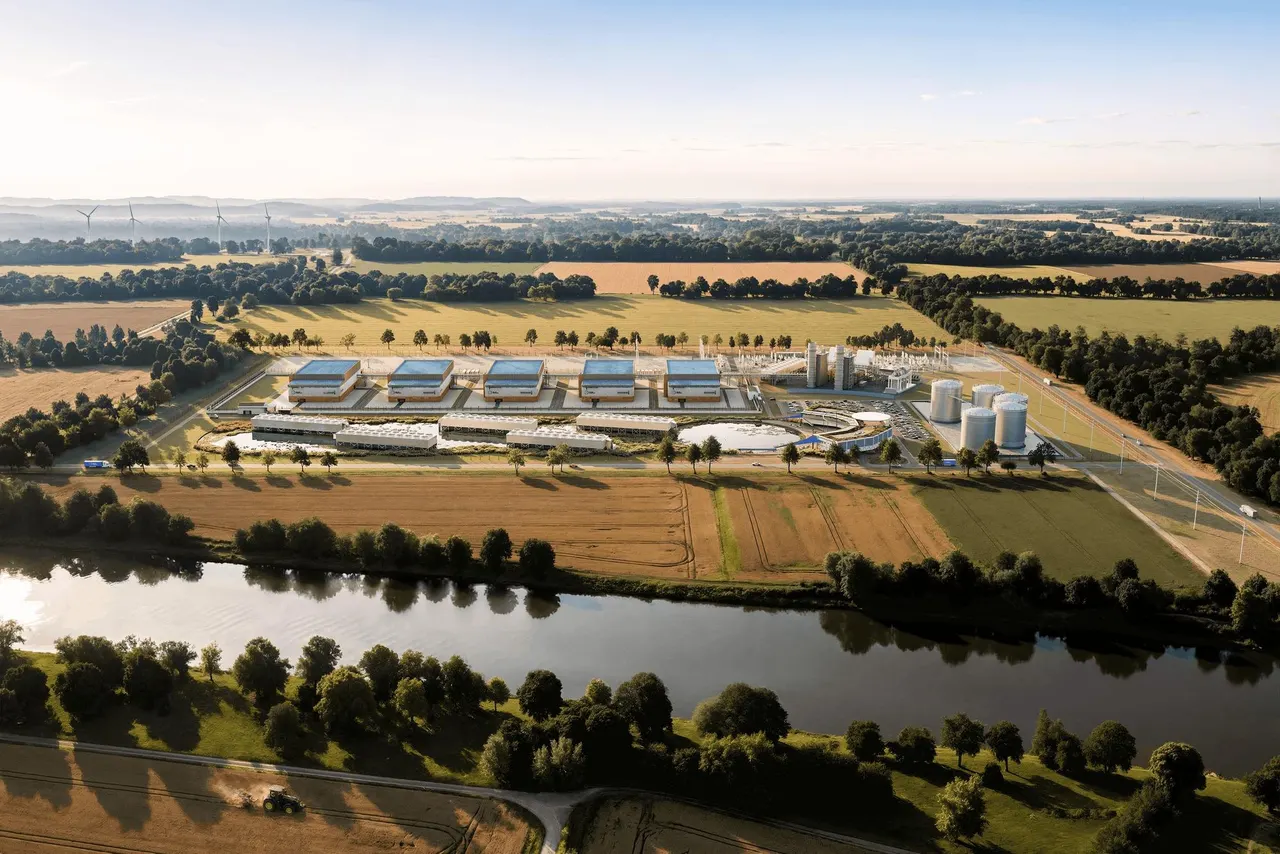
Blue Energy, a startup spun out of MIT, aims to shrink nuclear plant construction from more than a decade to about three years. Its plan: build the plant as giant modules in a shipyard, barge them to the site and assemble them there.
The modules are called Blue Blocks, each expected to weigh about 1,500 tonnes. They arrive with piping and electrical systems already connected, and on-site assembly is planned to take roughly a year.
Shifting the cost risk
According to CEO Jake Jurewicz, the point is not only speed. Nuclear projects run on average twice over their initial budgets and years late, so governments, utilities and builders are reluctant to carry the overrun risk. Blue Energy wants shipyards to build at a fixed price in their own yards and absorb that risk.
The gas-first approach serves the same goal. The steam turbine plant is built first and initially driven by steam from gas turbines. Banks can treat the project as a gas-fired power plant, which lowers interest costs and allows revenue within three years of groundbreaking.
The first project is in Victoria, Texas: 1 GW from gas in 2030, then up to five BWRX-300 small reactors, developed by Hitachi and GE Vernova, adding 1.5 GW from 2032. Crusoe, an AI data center company, is the power buyer.
Cost and precedents
In Ontario, Canada, the first BWRX-300 carries a budget of CAD 7.7 billion (about USD 5.6 billion) including shared facilities, roughly USD 18,500 per kilowatt. Blue Energy targets about USD 5,000 per kilowatt from its second plant onward, around a quarter, though the figures are not directly comparable.
History is a warning. Offshore Power Systems, a 1970 Westinghouse venture to mass-produce floating plants, lost its orders in 1978 and closed in 1984. Georgia's Vogtle, which also promised savings from factory-built modules, finished seven years late, with costs rising from USD 14 billion to about USD 35 billion according to AP. Blue Energy's plants would be on land, with only the blocks travelling by ship. Its published materials do not say what happens if the reactors never arrive and only the gas plant remains.
There is progress, though. The reactor is a scaled-down version of a design already approved in the US, and the NRC accepted the gas-first sequence. Blue Energy filed part of its construction permit application in September 2026 and says it has raised over USD 400 million, with Constellation among the investors. The company says local ratepayers will not fund construction costs.
Apps worth a look
SUMO: the number puzzleTap the right tiles, add them up, hit the target. Easy to learn, hard to master. Free, for all ages.
Dialo: learn languages by speakingTalk to an AI conversation partner; every sentence comes back corrected and explained in your language. 9 languages, A1 to C2.
ediviewer: read EDI files like documentsOpen EDIFACT and X12 messages, see every segment explained, convert to JSON/XML, export PDF and Excel. Runs locally, no upload.
giftdetect: the right gift in minutesPick who it is for, the occasion and their personality. The search engine reads product descriptions from local shops and ranks what fits. Free, no sign-up.
More from this day
See all →
Ndotlight Supplies KT With Cable Simulation Data for Robots
Naver Financial–Dunamu Merger Nears Approval With Remedies
JR East Brings Suica Walk-Through Gates to 40 Tokyo Stations
OpenAI and ModRetro launch Chromatic Codex Edition handheld at $200
More in: Business
See all →
Yandex Plus Points Can Now Be Spent at Yandex Pay Partners
Arka Fincap raises Rs 525 crore from TPG's The Rise Funds
Vodafone to cut around 2,300 jobs in Germany