Korea's FTC Flags Competition Concerns in Naver Financial–Dunamu Deal
South Korea's antitrust regulator says the Naver Financial–Dunamu merger risks restricting competition in several markets and has proposed corrective measures.

 SUMO· the number puzzle
 Dialo· learn languages by speaking
 ediviewer· read EDI files like documents
 giftdetect· the right gift in minutes
South Korea's Fair Trade Commission (FTC) has concluded that the planned combination of Naver Financial and Dunamu could substantially restrict competition in multiple markets, and it has submitted an opinion calling for corrective measures. The final decision on whether to approve the deal will be made by the full commission, possibly before the end of the year.
At a briefing in Sejong on 10 November, Jeon Seong-bok, head of the FTC's merger review bureau, said the regulator found the deal violates the relevant law. The review report was sent to both companies on 6 November, roughly a year after the filing was received on 28 November last year.
What the deal involves
The companies plan a comprehensive share swap, with about 2.54 Naver Financial shares issued for each Dunamu share. Dunamu would become a wholly owned subsidiary of Naver Financial, with the exchange scheduled for 31 March next year.
The FTC analyzed ten markets, including online payments, digital asset exchanges, search portals, online advertising, online shopping, financial MyData, unlisted stock brokerage, listed stock investment platforms, online secondhand trading and won-denominated stablecoin issuance. It identified 12 horizontal, vertical and conglomerate combinations. Two horizontal overlaps, in listed stock investment platforms and secondhand trading, were judged not to restrict competition.
The concern centers on conglomerate and vertical links between market leaders, for instance between crypto exchanges, payments, search and shopping, where rivals could be shut out when competitive products are bundled.
Stablecoins included before a market exists
The FTC also examined won stablecoin issuance even though enabling legislation is not yet in place. Officials cited multiple bills pending in the National Assembly and the companies' own submissions showing a focus on the business. They argued that declining to assess a market that has not yet formed could harm future competition. Market share and concentration could not be calculated concretely.
The companies submitted remedy plans, refined after FTC requests and expert input. They impose obligations that differ by market, centered on equal treatment of competitors and limits on business practices. Review staff consider these sufficient to resolve the concerns, but Jeon stressed that the full commission has the last word. He said the FTC chair has aimed to finish deliberations this year and that he expects that to happen.
Apps worth a look
SUMO: the number puzzleTap the right tiles, add them up, hit the target. Easy to learn, hard to master. Free, for all ages.
Dialo: learn languages by speakingTalk to an AI conversation partner; every sentence comes back corrected and explained in your language. 9 languages, A1 to C2.
ediviewer: read EDI files like documentsOpen EDIFACT and X12 messages, see every segment explained, convert to JSON/XML, export PDF and Excel. Runs locally, no upload.
giftdetect: the right gift in minutesPick who it is for, the occasion and their personality. The search engine reads product descriptions from local shops and ranks what fits. Free, no sign-up.
More from this day
See all →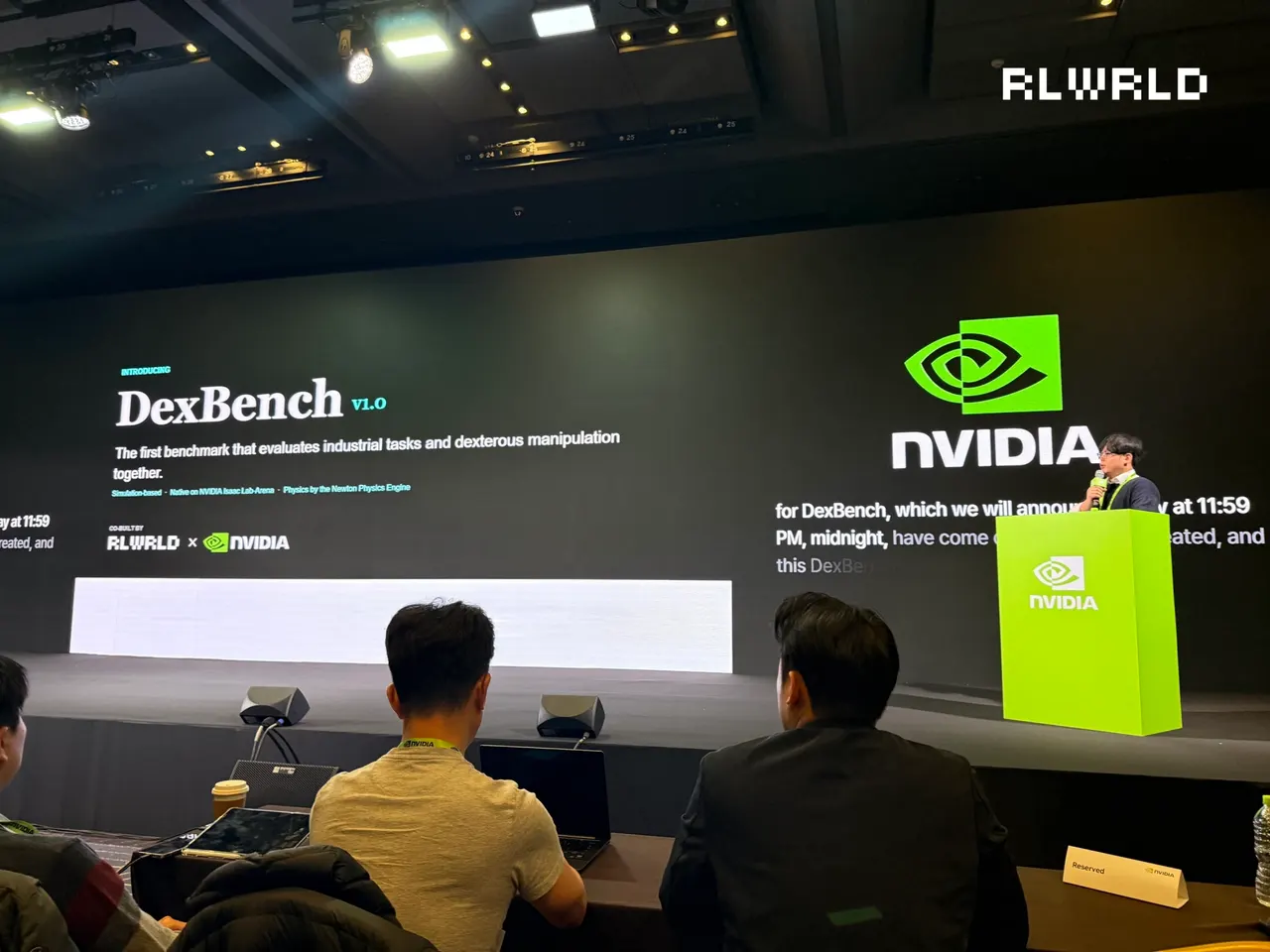
RealWorld Unveils DexBench to Benchmark Robot Hand Dexterity
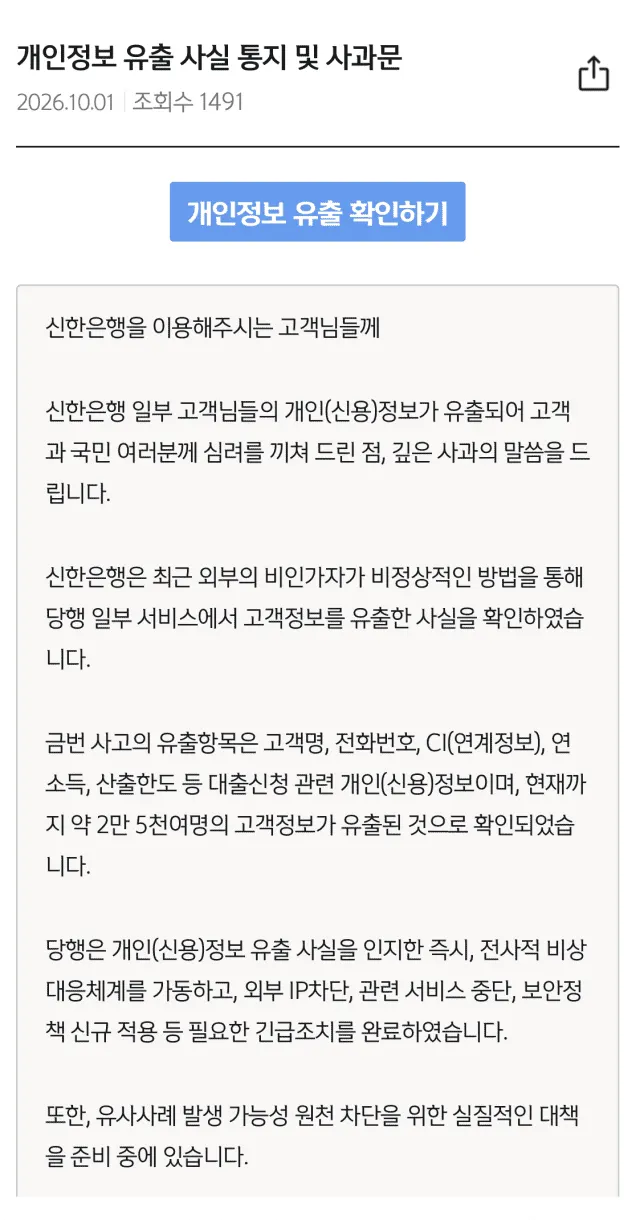
Shinhan and Hana Bank Offer Minimal Relief After Data Breach

Google AI Mode Search Adds Restaurant Booking in Japan
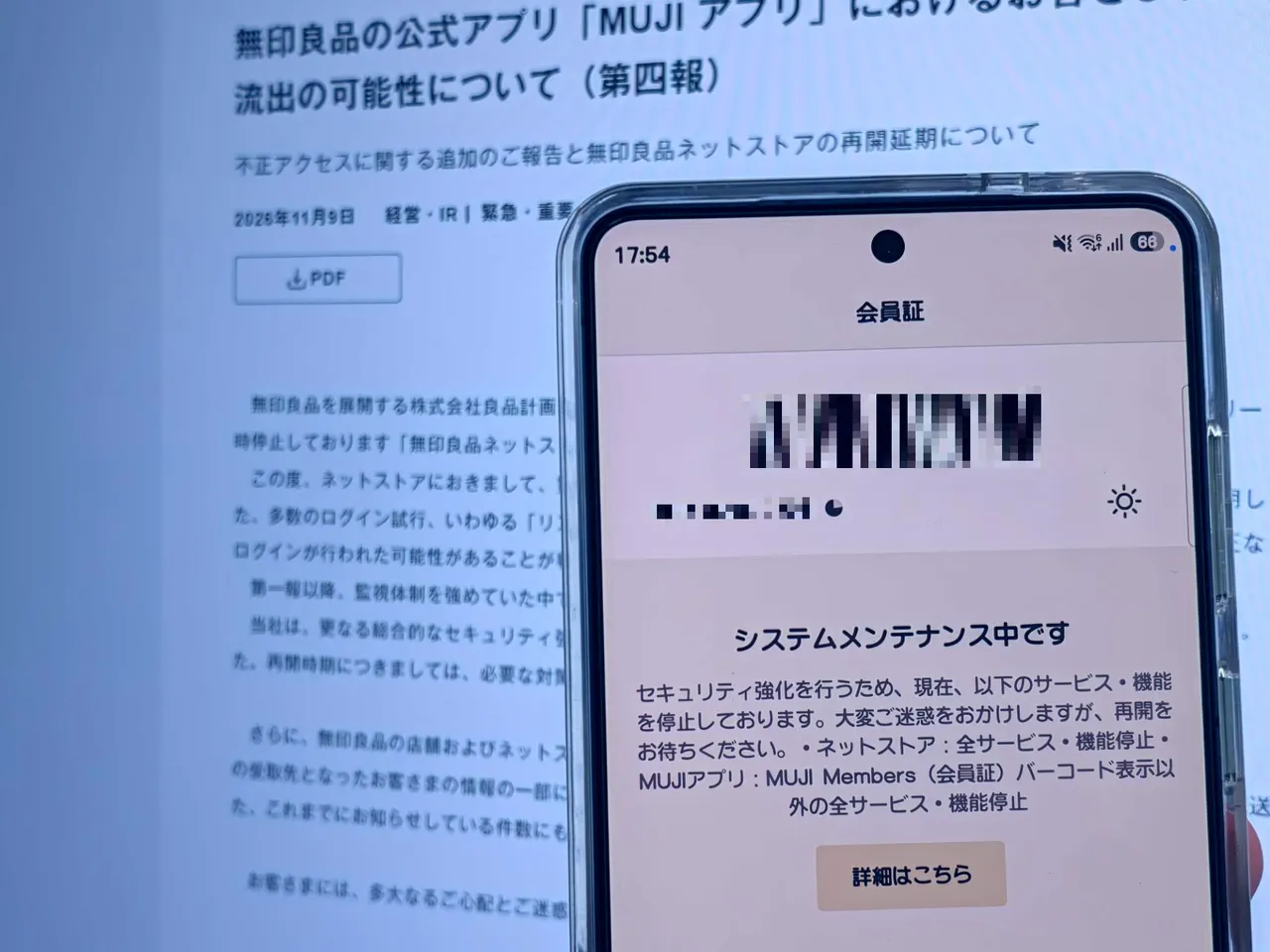
Muji Online Store Reopening Delayed After Credential Attack
More in: Business
See all →
Mitsui Chemicals to Buy JSR for ¥1.84 Trillion in Chip Materials Deal
Beget Calls Suspension of .ru, .su and .рф Accreditation Technical
Russia to Require Commercial Data Centers to Reserve 10% Capacity