JR East Brings Suica Walk-Through Gates to 40 Tokyo Stations
JR East will roll out UWB-based walk-through ticket gates at 40 Tokyo-area stations in spring 2028, letting riders pass with a phone still in a pocket or bag.
 SUMO· the number puzzle
 Dialo· learn languages by speaking
 ediviewer· read EDI files like documents
 giftdetect· the right gift in minutes
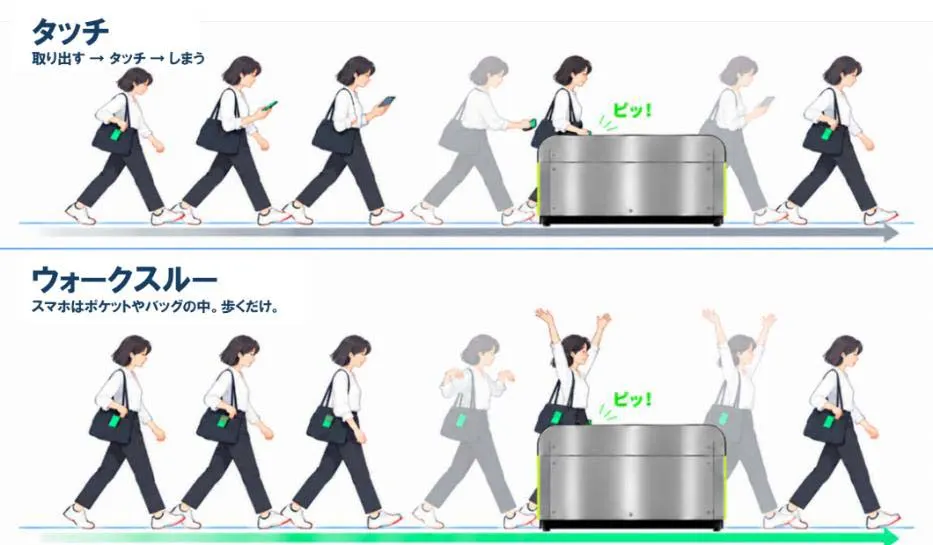
JR East announced on 10 November that it will introduce walk-through ticket gates at 40 stations in the Tokyo area in spring 2028. The company says Suica is evolving from "touch and go" to "walk-through."
The gates use ultra-wideband (UWB) short-range wireless technology. Riders using Mobile Suica on a compatible smartphone no longer need to take the phone out and tap it; it can stay in a pocket or bag. According to JR East, passage speed is the same as with tapping, so rush-hour flows should remain smooth.
Trial first, full rollout in 2028
A trial runs from 10 April 2027 to 29 February 2028 at five stations in the wider Shinagawa area (Hamamatsucho, Tamachi, Takanawa Gateway, Shinagawa, Oimachi) and nine major terminals: Tokyo, Ueno, Shinjuku, Shibuya, Ikebukuro, Akabane, Kita-Senju, Nakano and Osaki. About 400 commuter-pass holders on those sections will be recruited as monitors and lent an AQUOS R10 phone with a trial app developed with Sharp. Both entry and exit must be made by walk-through within the pass section.
The full rollout in spring 2028 covers all Yamanote Line stations, the Narita Airport stations, the Tokyo Monorail Haneda Airport stations and Monorail Hamamatsucho, 40 stations in total. Each gate will have one entry and one exit lane.
Touch-and-go still works alongside walk-through, as do fare adjustments and stored-value (charge) payments. A rider entering at a walk-through station can still tap out at a station without one, although during the 2027 trial use is limited to travel between walk-through gates.
Partners and next steps
Sony is developing and manufacturing readers/writers that support both NFC and UWB, which can measure distance and position to within a few centimetres. FeliCa Networks is developing the security software and an applet for the phone's secure element, and JR East Mechatronics is building and installing the gates.
From 2028, JR East plans to extend the gates to conventional and Shinkansen stations across the Tokyo area and regional areas, aiming for every station that currently has ticket gates by the end of fiscal 2031. In the mid-2030s it plans a GPS-based "smartphone gate" (working name) to remove the distinction between inside and outside the station network.
Apps worth a look
SUMO: the number puzzleTap the right tiles, add them up, hit the target. Easy to learn, hard to master. Free, for all ages.
Dialo: learn languages by speakingTalk to an AI conversation partner; every sentence comes back corrected and explained in your language. 9 languages, A1 to C2.
ediviewer: read EDI files like documentsOpen EDIFACT and X12 messages, see every segment explained, convert to JSON/XML, export PDF and Excel. Runs locally, no upload.
giftdetect: the right gift in minutesPick who it is for, the occasion and their personality. The search engine reads product descriptions from local shops and ranks what fits. Free, no sign-up.
More from this day
See all →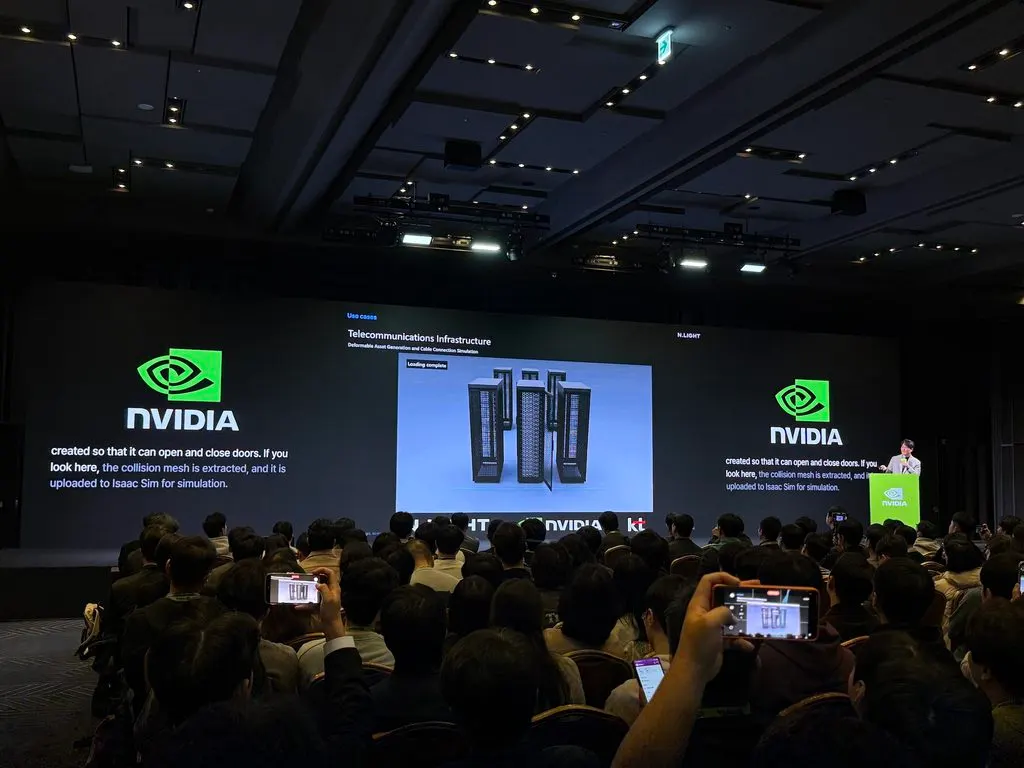
Ndotlight Supplies KT With Cable Simulation Data for Robots
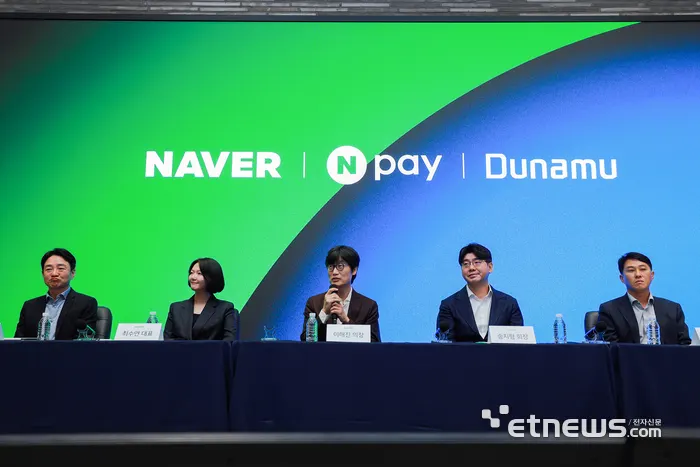
Naver Financial–Dunamu Merger Nears Approval With Remedies

Blue Energy Plans Shipyard-Built Nuclear Plants to Cut Build Time to 3 Years
OpenAI and ModRetro launch Chromatic Codex Edition handheld at $200
More in: Mobile
See all →
Google Wallet Adds Alipay Plus Support With Traveler QR

Canadian Court Certifies Class Action Against Apple Over Google Deal
Samsung Tests Paid Galaxy AI Premium Subscription for Phones