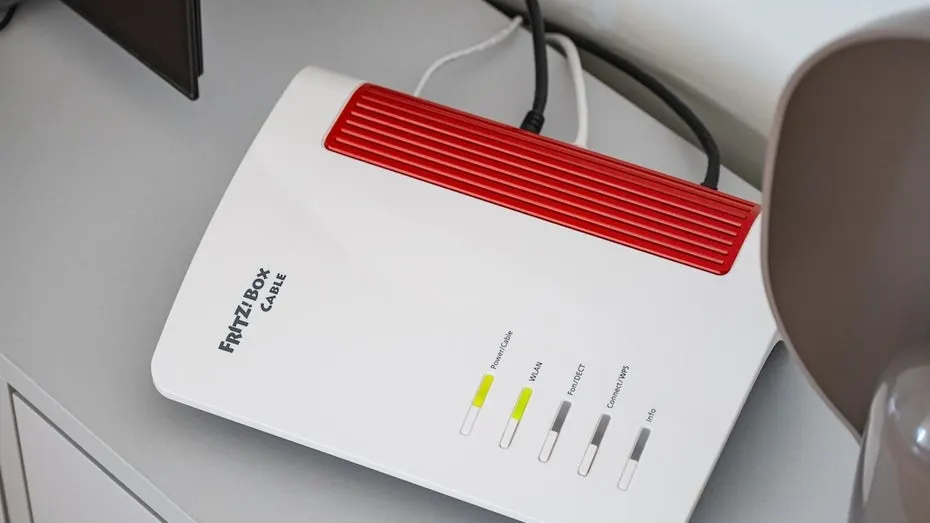
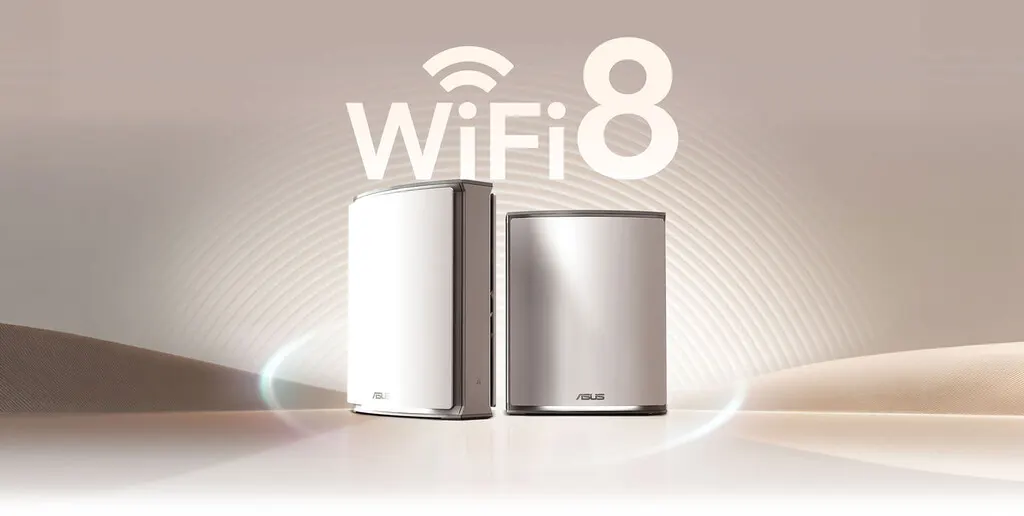
ASUS ZenWiFi BN12 Is the World's First WiFi 8 Mesh System
ASUS has launched the ZenWiFi BN12, billed as the first commercial WiFi 8 mesh system. A two-node pack costs 1,205.12 euros in Spain and targets large homes.
 SUMO· the number puzzle
 Dialo· learn languages by speaking
 ediviewer· read EDI files like documents
 giftdetect· the right gift in minutes
ASUS has announced the ZenWiFi BN12, a mesh network system the company positions as the world's first commercial solution built on WiFi 8. It is already on sale in Spain at 1,205.12 euros for a two-unit pack.
The BN12 is a tri-band system with a combined speed of up to 19 Gbps. But the pitch for WiFi 8 is less about peak throughput and more about stability at medium and long range, traffic management and coping with dozens of smart-home devices.
What WiFi 8 brings to mesh
The system uses new modulation and coding schemes (MCS) and unequal modulation (UEQM), designed to hold a connection when the signal passes through walls or travels several metres from the main node. Non-primary channel access (NPCA) and coordination between access points should let nodes communicate more cleanly and reduce congestion in areas crowded with neighbouring networks.
Smart AiMesh, ASUS's evolution of its node system, combines traditional meshing with WiFi 8 guidelines to optimise the backhaul link. According to the company, a two-unit pack is meant to cover areas of up to 7,000 square metres.
Traffic control and ports
The BN12 introduces adaptive QoE (Quality of Experience). Unlike classic QoS tools that rely on static rules set by the user, it monitors traffic in real time and reallocates resources dynamically according to what applications demand. A WiFi Insight tool shows network status live, audits interference across the spectrum and keeps a 24-hour history to spot bottlenecks or signal anomalies.
Wired connectivity includes two 10 Gbps Ethernet ports (one WAN/LAN, one LAN) and three 2.5 Gbps ports (one WAN/LAN, two LAN). Security covers AiProtection, safe browsing, advanced parental controls, protected DNS and native VPN support.
Who it is for
The main drawback is timing: most phones, laptops and consoles still run WiFi 6, 6E or WiFi 7, so it will take years before devices exploit WiFi 8 natively. The price is also steep for most households. The BN12 suits buyers who want the latest technology available; those on a tight budget who simply need to fix everyday coverage problems have better value elsewhere.
Apps worth a look
SUMO: the number puzzleTap the right tiles, add them up, hit the target. Easy to learn, hard to master. Free, for all ages.
Dialo: learn languages by speakingTalk to an AI conversation partner; every sentence comes back corrected and explained in your language. 9 languages, A1 to C2.
ediviewer: read EDI files like documentsOpen EDIFACT and X12 messages, see every segment explained, convert to JSON/XML, export PDF and Excel. Runs locally, no upload.
giftdetect: the right gift in minutesPick who it is for, the occasion and their personality. The search engine reads product descriptions from local shops and ranks what fits. Free, no sign-up.
More from this day
See all →
Citus Demonstrates GPS-Free Firefighter Tracking, Eyes Military Use
Google Cloud expands CodeMender and AI agent security tools

Operation Ghostbusters: 830,840 Suspected Ghost Students Found