ASTRA robot built part of an antenna in orbit with no astronauts
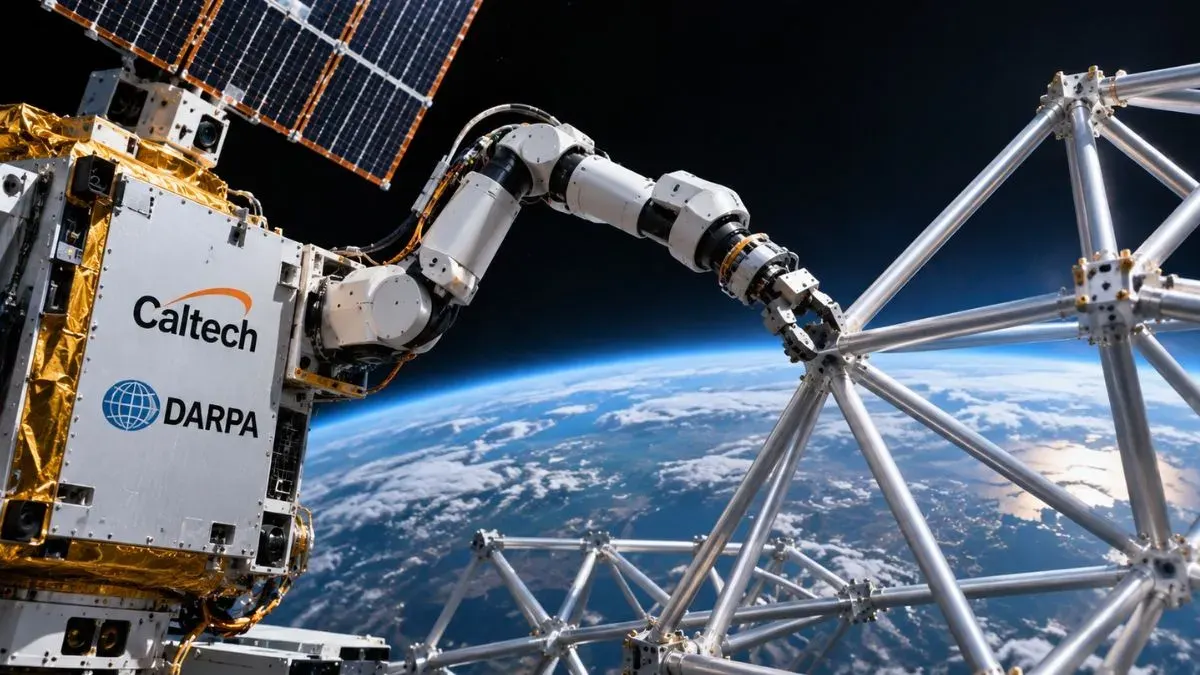
A box-sized robot called ASTRA grabbed tubes and joints in orbit and assembled a new truss segment on its own. It didn't finish the antenna, but it's a first.
 SUMO· the number puzzle
 Dialo· learn languages by speaking
 ediviewer· read EDI files like documents
 giftdetect· the right gift in minutes
A small robot called ASTRA has assembled part of an antenna frame in Earth orbit, and no astronaut was anywhere near it. Engineers at Caltech and the US agency DARPA say it is the first demonstration of automated assembly of a spatial structure in space.
ASTRA, short for Autonomous In-Space Tensioned Reflector Assembly, is about one cubic metre in size and looks more like a piece of factory equipment than a sci-fi robot. It launched on 30 March 2026 on a Falcon 9 (the Transporter-16 mission) aboard Momentus' Vigoride-7 vehicle. The goal was a 1.4 m reflector antenna built from composite tubes, aluminium connectors and a thin reflective material.
On 5 November, Caltech and DARPA reported the result. ASTRA built a third truss segment and attached it to two made on Earth. The full design called for 11 segments, and technical problems and time limits mean the team no longer expects to finish them all. The mission is due to end in December.
How does the ASTRA robot work?
Its arm moves along three axes, a bit like putting together a kit of bricks. It pulls tubes and connectors from feeders, lays them on an assembly plate and joins them into a truss segment. The finished segment is pushed out of the machine to make room for the next one. The perforated reflective surface was developed with the University of Pennsylvania. Its small holes need less tension than metal mesh, which saves weight.
Why build things in orbit?
Rocket fairings are only so big. Big structures have to fold up, like the 6.5 m mirror of the James Webb Space Telescope with its 18 segments, or be launched in pieces, as the International Space Station was. Robotic assembly in orbit could let designers stop worrying about what fits under the fairing. DARPA talks about structures hundreds of metres or even kilometres across.
There was still human help, from the ground. Engineers sent commands through Vigoride and checked camera photos. They had only 7 to 8 contact windows a day, about 15 minutes each. When something went wrong, they reproduced it on a near-identical twin robot in the lab and sent up tested fixes. Next time, the team says, simpler mechanisms and procedures will be needed to cut down on those interventions.
Apps worth a look
SUMO: the number puzzleTap the right tiles, add them up, hit the target. Easy to learn, hard to master. Free, for all ages.
Dialo: learn languages by speakingTalk to an AI conversation partner; every sentence comes back corrected and explained in your language. 9 languages, A1 to C2.
ediviewer: read EDI files like documentsOpen EDIFACT and X12 messages, see every segment explained, convert to JSON/XML, export PDF and Excel. Runs locally, no upload.
giftdetect: the right gift in minutesPick who it is for, the occasion and their personality. The search engine reads product descriptions from local shops and ranks what fits. Free, no sign-up.
More from this day
See all →
Comet 220P/McNaught suddenly got 1,000 times brighter. Here's why

Coral Hart used AI to write 370 books in 20 months

WhatsApp Zaps: self-deleting photos and videos for any chat

Green SM taxis: Karnataka halts new registrations, eyes mandatory meters
More in: Space
See all →
Reflect Orbital wants 50,000 mirror satellites to sell sunlight
Dream Chaser space plane cleared to land ahead of 2027 debut
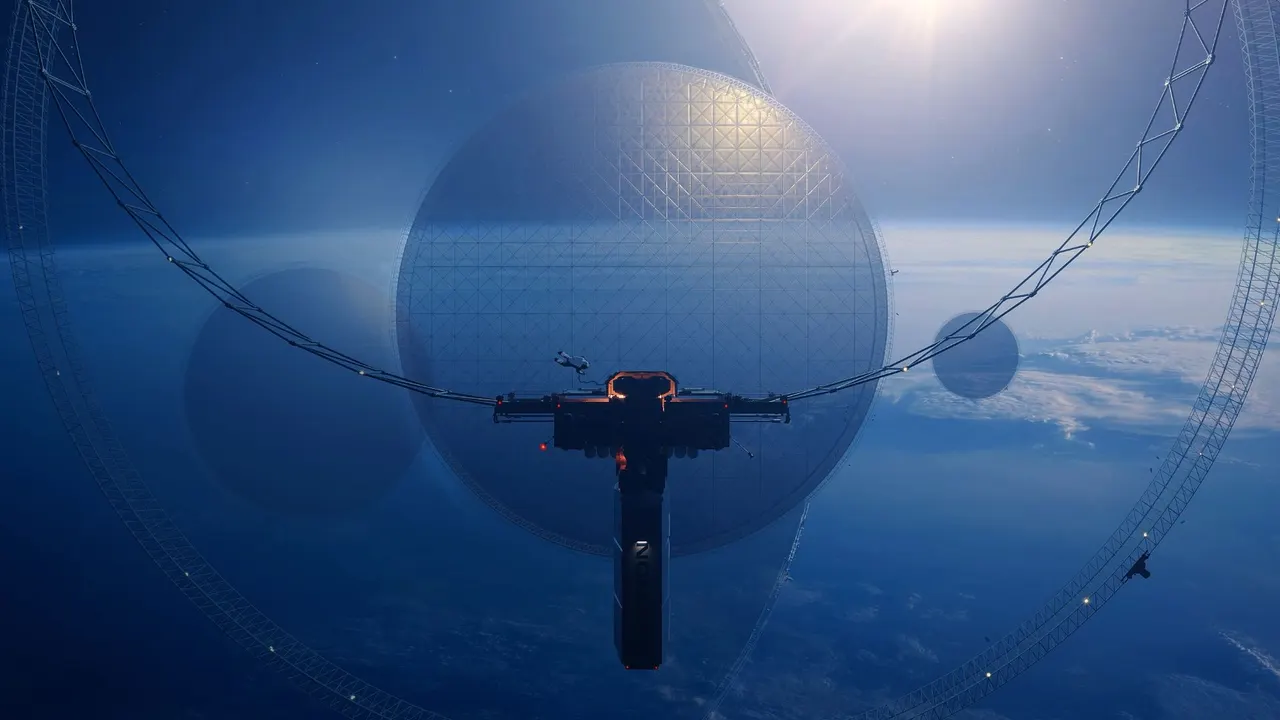
ASTRA robot builds a structure in orbit with no humans