Apple's iPhone Keyboard Hides Tens of Thousands of Words
A researcher found that the iPhone keyboard carries a hidden list of tens of thousands of words and phrases it never suggests, including some political terms.
 SUMO· the number puzzle
 Dialo· learn languages by speaking
 ediviewer· read EDI files like documents
 giftdetect· the right gift in minutes
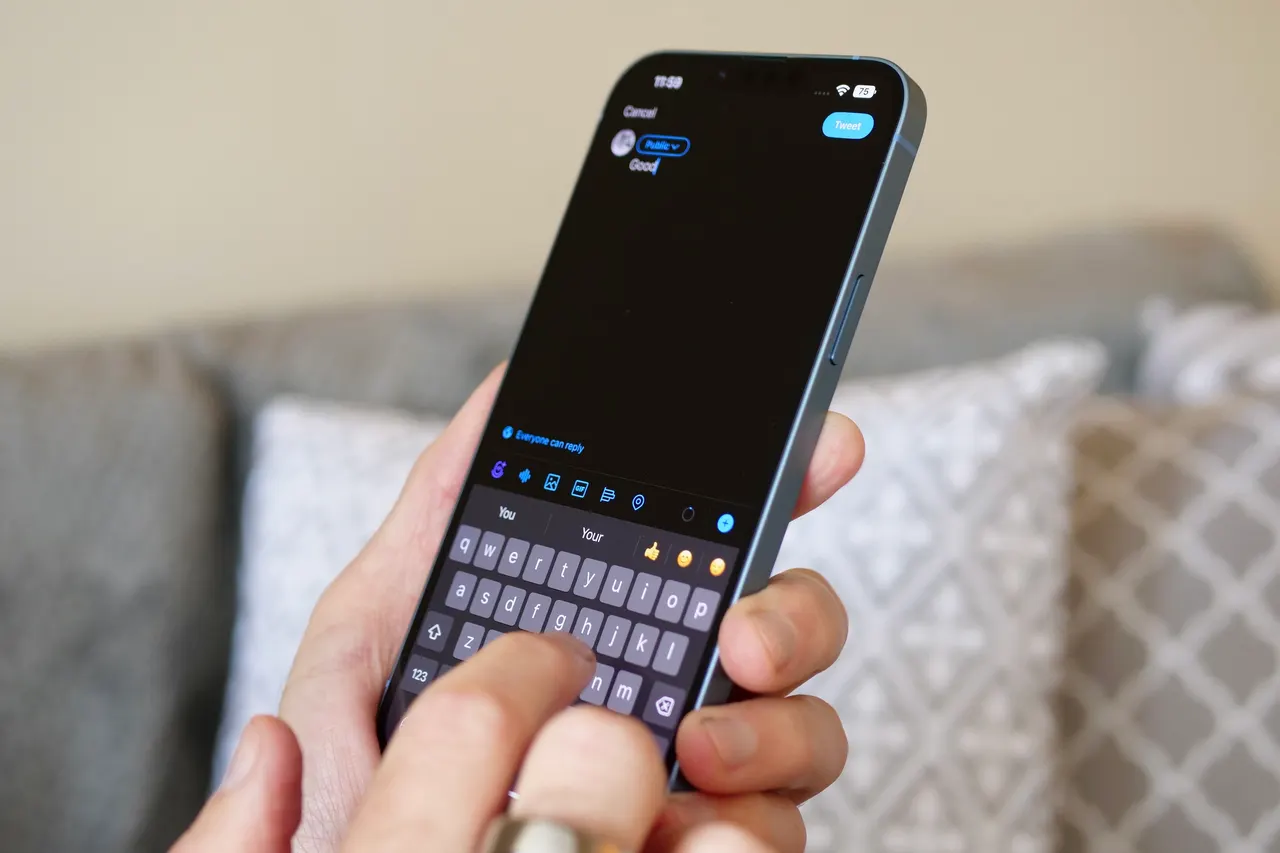
Apple's iPhone keyboard contains a system-level list of tens of thousands of words and phrases that autocomplete and swipe typing refuse to suggest, according to an independent researcher. Apple has never publicly disclosed the list.
The terms are not blocked outright. Users can still type them manually, but the predictive system ignores them, so they never show up among the suggestions above the keyboard.
What is on the list
Researcher Derik Kauffman, who documented the finding, says most entries are expected: words tied to violence, drugs and overtly sexual themes. Others are more surprising. Phrases such as "dictator Trump" and "sleepy Joe", both common in public political commentary, are on the list.
The filtering is not limited to US topics. The keyboard also avoids terms like "Tibetan independence" and "United Ireland", as well as phrases mocking politicians including Indian Prime Minister Narendra Modi and opposition leader Rahul Gandhi. Kauffman says every major language the iOS keyboard supports has its own version of the list.
How it was found
Kauffman became suspicious when swipe-typing phrases such as "bad boy" and "white man" produced odd results. He then used OpenAI's Codex and Anthropic's Claude Code to dig into iOS and eventually found thousands of entries.
Reuters ran its own tests. Swipe-typing "Tibetan independence" and "United Ireland" often turned them into "Tibetan independences" and "United Iceland", and "white man" became "white mean", while "red man" and "blue man" went through without trouble.
Apple gave no detailed explanation. It said only that the built-in keyboard is designed to avoid suggesting words that could be offensive or inappropriate.
David Greene, a lawyer at the Electronic Frontier Foundation, told Reuters that part of him found the list "creepy", though he understood the case for limiting inflammatory suggestions. The findings add to scattered user reports over the years of the keyboard refusing to cooperate with certain words.
Apps worth a look
SUMO: the number puzzleTap the right tiles, add them up, hit the target. Easy to learn, hard to master. Free, for all ages.
Dialo: learn languages by speakingTalk to an AI conversation partner; every sentence comes back corrected and explained in your language. 9 languages, A1 to C2.
ediviewer: read EDI files like documentsOpen EDIFACT and X12 messages, see every segment explained, convert to JSON/XML, export PDF and Excel. Runs locally, no upload.
giftdetect: the right gift in minutesPick who it is for, the occasion and their personality. The search engine reads product descriptions from local shops and ranks what fits. Free, no sign-up.
More from this day
See all →
Citus Demonstrates GPS-Free Firefighter Tracking, Eyes Military Use

Google Cloud expands CodeMender and AI agent security tools

Operation Ghostbusters: 830,840 Suspected Ghost Students Found
JNSA Security Quiz Service Hit by Breach, 15,128 Records at Risk
More in: Mobile
See all →
Google Play Services 26.43 Adds Automatic Photo Backup to Windows
WhatsApp Tests Original-Quality Photo and Video Sending

Poland Plans Social Media Ban for Children Under 15 From 2027