AI Smart Glasses Help Low-Vision Users Identify Objects
Smart glasses with tiny cameras and AI can describe objects, read text aloud and warn of nearby obstacles, giving low-vision users more independence in daily life.
 SUMO· the number puzzle
 Dialo· learn languages by speaking
 ediviewer· read EDI files like documents
 giftdetect· the right gift in minutes
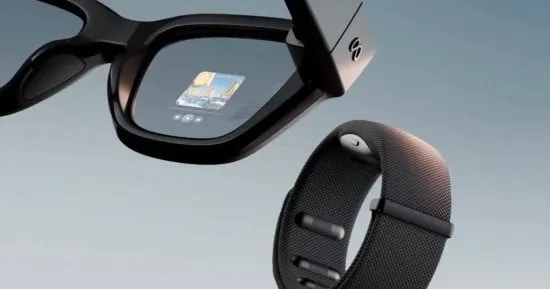
Assistive technology for people with low vision is advancing quickly, with a new generation of smart glasses that use artificial intelligence and compact cameras to help wearers recognize their surroundings, read text and detect some obstacles as they move.
The glasses rely on built-in cameras and sensors that capture images of the environment. AI systems then analyze the scene, identify items such as doors, furniture, household tools and people, and turn the result into spoken descriptions delivered through integrated speakers.
Reading text and spotting obstacles
Some models combine optical character recognition with image analysis, allowing them to read signs, packaging, books, documents and labels aloud. That lets users reach written information without having to read it visually. Depending on the sensors in each device, some glasses also issue audio or vibration alerts when an obstacle is close, which helps when moving around unfamiliar places.
Interaction is largely by voice. Users can ask the glasses to describe a particular object or explain what is in front of them, and the answer comes back as speech. Some companies have started integrating smart assistants into these devices, so wearers can get information about their environment without constantly reaching for a phone.
Not a replacement for the white cane
The technology has clear limits. Smart glasses are not a full substitute for the white cane or for specialized rehabilitation and training. Their ability to recognize objects varies with lighting, camera quality, internet connection and the system being used.
Cost and privacy remain the main hurdles to wider adoption. Because the cameras may capture people who appear in front of the lens, protecting their privacy is a central concern. The aim of the devices is to strengthen the independence of people with low vision and help them complete more everyday tasks on their own.
Apps worth a look
SUMO: the number puzzleTap the right tiles, add them up, hit the target. Easy to learn, hard to master. Free, for all ages.
Dialo: learn languages by speakingTalk to an AI conversation partner; every sentence comes back corrected and explained in your language. 9 languages, A1 to C2.
ediviewer: read EDI files like documentsOpen EDIFACT and X12 messages, see every segment explained, convert to JSON/XML, export PDF and Excel. Runs locally, no upload.
giftdetect: the right gift in minutesPick who it is for, the occasion and their personality. The search engine reads product descriptions from local shops and ranks what fits. Free, no sign-up.
More from this day
See all →
Estonia Approves 24/7 Robotic Pharmacies in a European First
VÆRIDION raises €30M to build its electric Microliner aircraft