Estonia Approves 24/7 Robotic Pharmacies in a European First
Estonia's government has approved a bill allowing robotic pharmacies to dispense prescription medicines around the clock, with a remote pharmacist on video.
 SUMO· the number puzzle
 Dialo· learn languages by speaking
 ediviewer· read EDI files like documents
 giftdetect· the right gift in minutes
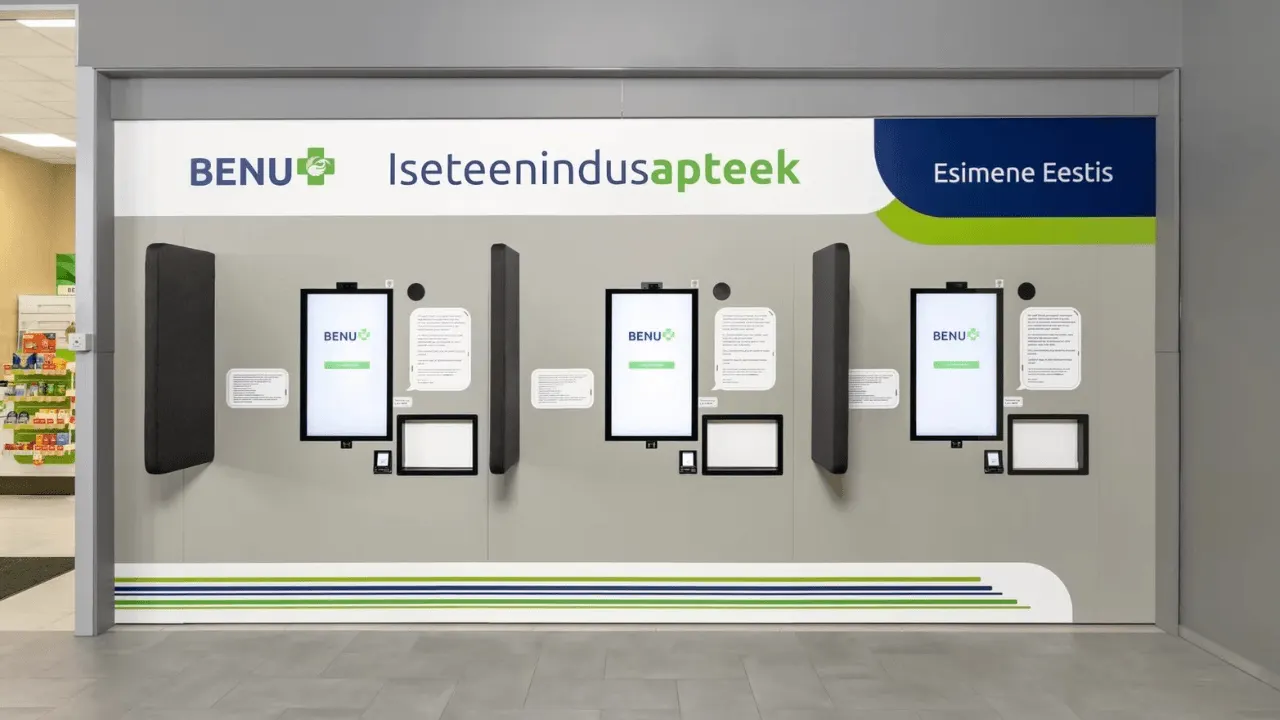
The Estonian government has approved draft legislation that would allow 24/7 robotic pharmacies to dispense prescription and over-the-counter medicines without a pharmacist on site. The amendments to the Medicinal Products Act cover automated self-service pharmacies with digital identity verification, remote video consultations with licensed pharmacists and robotic dispensing.
The bill still has to pass parliament, and implementation is targeted for 1 March 2027. If it is enacted, Estonia could become the first European country to allow remote dispensing of prescription medicine through automated pharmacies, going beyond collection lockers and systems limited to non-prescription products.
How it works
The initiative centres on Estonian company Grab2Go. Its co-founders, Mart Viilipus and Reio Orasmäe, ran into rules requiring a pharmacist to be physically present when medication is dispensed, and turned to Accelerate Estonia, a government-backed programme run by the Ministry of Economic Affairs and Communications. Together with the Estonian Medicines Board and the Ministry of Social Affairs, it identified the regulatory changes needed while keeping patients safe.
Customers choose medication on a touchscreen, identify themselves with an ID card or other digital solution, and then speak to a licensed pharmacist by video. The pharmacist reviews the request and authorises dispensing. The robot stores and dispenses products inside a secure steel enclosure open only to authorised staff. In a six-month pilot, no robots malfunctioned, Orasmäe says; getting customers comfortable with digital identification was harder. An 82-year-old woman used the system.
Why it matters
An impact analysis by Accelerate Estonia and PwC points to an ageing workforce: 53 per cent of pharmacists and 43 per cent of pharmaceutical technicians are over 50. Remote pharmacists could serve several locations, and rural areas and islands could gain access to medicines. Accelerate Estonia's head, Olari Püvi, also sees possible relief for emergency healthcare services.
The case also exposed a regulatory catch-22: authorities wanted data before changing the law, but companies could not legally collect it. Accelerate Estonia has since developed an experimentation framework for controlled real-world trials.
Grab2Go aims to act mainly as a technology provider and targets a return on investment of about two to three years for pharmacy operators. The legislation is meant to be technology-neutral, so competitors could build rival systems. According to Püvi, Canada, Sweden, Norway and Austria have shown interest in the approach.
Apps worth a look
SUMO: the number puzzleTap the right tiles, add them up, hit the target. Easy to learn, hard to master. Free, for all ages.
Dialo: learn languages by speakingTalk to an AI conversation partner; every sentence comes back corrected and explained in your language. 9 languages, A1 to C2.
ediviewer: read EDI files like documentsOpen EDIFACT and X12 messages, see every segment explained, convert to JSON/XML, export PDF and Excel. Runs locally, no upload.
giftdetect: the right gift in minutesPick who it is for, the occasion and their personality. The search engine reads product descriptions from local shops and ranks what fits. Free, no sign-up.
More from this day
See all →
Anthropic Blocks Claude Code From Cloning Existing Video Games

BIOM raises €2 million led by Swanlaab to fight Xylella
Hackers chained Chrome and Snapdragon GPU flaws to hit Android