Hackers chained Chrome and Snapdragon GPU flaws to hit Android
Sekoia says hackers linked to APT29 chained a Chrome bug and a Qualcomm Adreno flaw to infect Android phones through booby-trapped sites. Both bugs were already patched.
 SUMO· the number puzzle
 Dialo· learn languages by speaking
 ediviewer· read EDI files like documents
 giftdetect· the right gift in minutes
Hackers exploited a Chrome vulnerability and a flaw in Qualcomm's Adreno GPU driver to compromise Android phones that merely opened a malicious web page, according to security firm Sekoia. Both bugs had been patched before the attacks began, so phones with current Chrome and security updates stayed safe.
The Android attack needed no tap on a link, no app installation and no permission. Visiting an infected page in an outdated Chrome was enough. The chain began with CVE-2026-3910, a Chrome flaw that let attackers run code inside the browser. They then used CVE-2025-27038 in the Adreno driver to escape Chrome's sandbox and gain deeper access. Because Adreno graphics ship in Snapdragon chips, phones with Qualcomm silicon were the ones exposed.
What the malware took
The exploit targeted Chrome versions 139 through 145, skipping version 143 for reasons Sekoia calls unclear. On compromised phones, the attackers installed malware Sekoia names AndroSnitch. It copied Chrome cookies, saved logins and browsing history, plus the Wi-Fi configuration file holding passwords for saved networks. Stolen cookies are especially useful because they can open accounts where the victim is already signed in. The code was also written to stop if it detected a Samsung Galaxy S25 Ultra.
How victims were reached
Attackers injected malicious code into legitimate sites, built lookalike copies of real ones, and compromised a Ukrainian web analytics service used by thousands of mostly Ukrainian websites between August 27 and September 3. Fake pages included a copy of the America250 site and one imitating a luxury London hotel near UK government offices. A script profiled each visitor's device and served the matching exploit.
Sekoia links the campaign to APT29, a group tied to Russia's foreign intelligence service. The targeting points to diplomats and people connected to the war in Ukraine rather than ordinary users. iPhones were hit as well: one chain stole cookies on iOS 16 through 17.4, while the DarkSword exploit took messages, photos and passwords from devices on iOS 18.5.
How to protect yourself
Update Chrome through the Play Store and confirm you run a version newer than 145 via Settings > About Chrome. Also install your phone's latest security update, since fixes for Qualcomm's GPU drivers arrive through monthly Android patches.
Apps worth a look
SUMO: the number puzzleTap the right tiles, add them up, hit the target. Easy to learn, hard to master. Free, for all ages.
Dialo: learn languages by speakingTalk to an AI conversation partner; every sentence comes back corrected and explained in your language. 9 languages, A1 to C2.
ediviewer: read EDI files like documentsOpen EDIFACT and X12 messages, see every segment explained, convert to JSON/XML, export PDF and Excel. Runs locally, no upload.
giftdetect: the right gift in minutesPick who it is for, the occasion and their personality. The search engine reads product descriptions from local shops and ranks what fits. Free, no sign-up.
More from this day
See all →
Russian Micromobility Group Urges Softer Courier Traffic Rules
Russia weighs easier public procurement of cloud capacity for AI

Amazon Smart Glasses to Photograph Homes With No Opt-Out
Anthropic Blocks Claude Code From Cloning Existing Video Games
More in: Security
See all →
ChatGPT Flaw Let a Shared Chat Link Expose User Histories
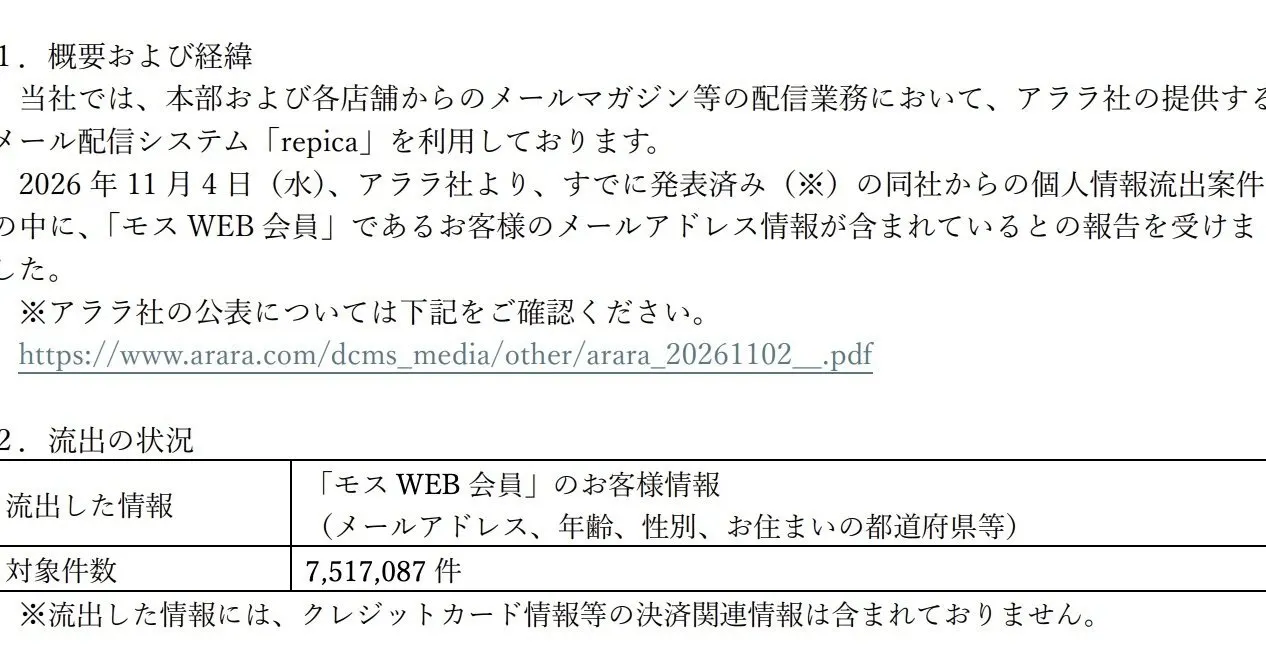
Arara Breach: Moss Burger, Workman, IIJmio Confirm Data Leaks
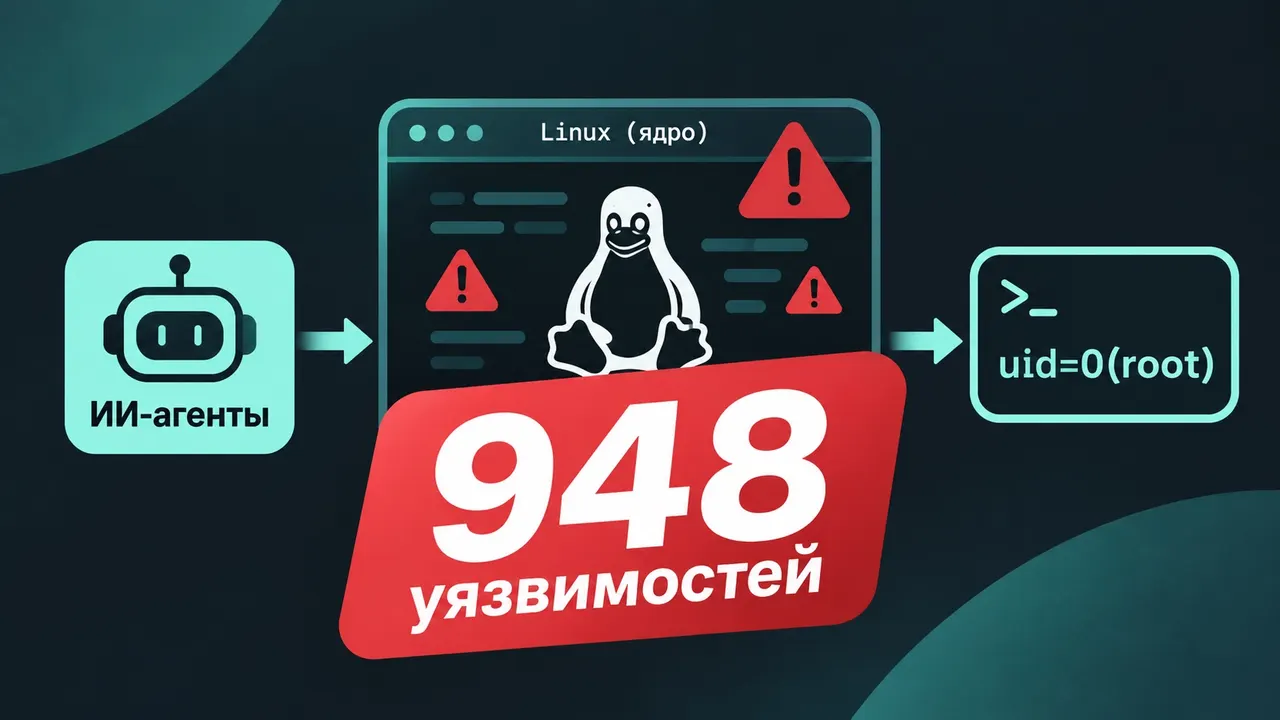
OpenAI AI Agents Find 948 Linux Kernel Root Exploits